Introduction
Electric vehicles are growing quickly across the UK as more people choose cleaner and more affordable transport options. A reliable charging system makes owning an electric vehicle easier and more convenient.
EV Charger Installation in UK provides a safe and efficient way to charge vehicles at homes, workplaces, and commercial properties. A professionally installed charger improves charging speed, enhances safety, and helps manage energy use.
This guide covers everything you need to know about EV charger installation, including costs, charger types, safety requirements, and common questions.
What Is EV Charger Installation in UK?
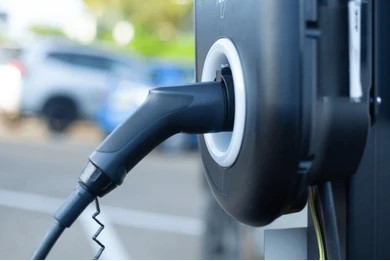
EV Charger Installation in UK is the process of installing a dedicated charging unit that allows electric vehicles to receive power safely from a property’s electrical system.
Unlike charging an electric vehicle through a standard household socket, a dedicated EV charger is designed to handle the higher electrical demand required for vehicle charging. It provides a faster, safer, and more reliable charging experience.
The installation process usually involves:
- Checking the property’s electrical capacity
- Choosing the correct charger type
- Selecting the best installation location
- Installing suitable cables and protection equipment
- Connecting the charger to the electrical supply
- Testing the system for safety
A qualified electrician ensures that the charging point is installed correctly and operates efficiently.
Whether it is for a home, office, or commercial building, professional installation helps prevent electrical issues and ensures long-term performance.
Why Should I Install an EV Charger at My Home?
Installing a home charger provides many benefits for electric vehicle owners Charging at home offers a simpler, quicker, and more convenient experience than depending on public charging points.
One of the biggest advantages of EV Charger Installation in UK is convenience. Drivers can charge their vehicles overnight and start each day with enough battery power for their journeys.
Other benefits include:
Easy Daily Charging
This removes the need to visit public charging locations regularly.
Faster Charging
Dedicated EV chargers provide much faster charging compared with standard electrical sockets.
Better Cost Control
Home charging can often be cheaper because drivers can choose electricity tariffs with lower rates during certain times.
Improved Vehicle Ownership Experience
Having a charger at home makes electric vehicle ownership simpler and more practical.
For many homeowners, installing an EV charger is a valuable upgrade that improves convenience and prepares their property for future transportation needs.
How Much Does EV Charger Installation in UK Cost?
The installation cost of an EV charger depends on various factors, including the property type, charger choice, and the complexity of the installation work required.
There is no single fixed price because every property has different electrical requirements.
The main factors affecting installation costs include:
- Type of charger selected
- Installation location
- Cable length required
- Electrical system condition
- Additional safety equipment
- Possible electrical upgrades
A simple home installation may require less work, while properties with older electrical systems may need additional improvements before installation.
During EV Charger Installation in UK, a professional electrician normally carries out a property assessment before providing a quotation.
This helps identify any challenges and ensures the final cost is accurate.
Although installation requires an initial investment, it can provide long-term benefits through cheaper charging, improved convenience, and increased property appeal.
Do You Need a Professional Electrician for EV Charger Installation?
Yes, EV chargers should be fitted by a trained and qualified electrician to ensure safe and reliable operation.
Installing an EV charger involves working with high electrical loads, which requires specialist knowledge and proper safety procedures.
A qualified installer will:
- Inspect your electrical system
- Confirm available power capacity
- Install correct protection devices
- Complete safety testing
- Ensure compliance with electrical standards
Attempting to install an EV charger without proper training can create serious risks, including electrical faults, overheating, and unsafe connections.
Professional EV Charger Installation in UK ensures that the charger is installed correctly and works safely with your electrical system.
What Types of EV Chargers Are Available in UK?
There are different types of EV chargers available depending on charging speed, location, and user requirements.
Slow EV Chargers
Slow chargers provide basic charging and are generally used for longer charging periods. They are less common for modern home installations because charging times can be longer.
Fast EV Chargers
Fast chargers are the most popular choice for homes and workplaces. They provide a good balance between charging speed, cost, and practicality.
Rapid EV Chargers
Rapid chargers provide very quick charging but require more powerful electrical infrastructure. They are commonly found at public charging stations.
For most homeowners, a fast charger is usually the most suitable option because it can charge an electric vehicle overnight.
Which EV Charger Option Is Most Suitable for Home Charging?
The best home charger depends on your vehicle, driving habits, and property requirements.
When choosing a charger, consider:
Charging Speed
A charger should provide enough power to meet your daily driving needs.
Smart Features
Many modern chargers include mobile apps, energy monitoring, and scheduling options.
Vehicle Compatibility
The charger must work correctly with your electric vehicle model.
Property Requirements
Your electrical system must be able to support the chosen charger.
A professional installer can recommend the most suitable option based on your needs.
Selecting the right charger for your needs during EV Charger Installation in UK helps improve charging efficiency, reliability, and overall performance.
How Long Does EV Charger Installation in UK Take?
The installation time depends on the complexity of the project and the condition of the property’s electrical system.
A standard home installation is often completed within a few hours.
However, the process may take longer if:
- The cable route is complicated
- Electrical upgrades are needed
- The charger location requires additional work
- Extra safety equipment must be installed
Before starting the work, a professional installer normally assesses the property to provide an estimated completion time.
Proper planning helps ensure a smooth installation process with minimal disruption.
Can an EV Charger Be Installed on Any Property?
on different types of properties, including:
- Detached houses
- Semi-detached homes
- Flats
- Apartments
- Offices
- Commercial buildings
However, each property has different requirements.
Before EV Charger Installation in UK, installers usually check:
- Parking availability
- Electrical supply access
- Cable installation options
- Property ownership requirements
Some properties may require additional planning, especially shared buildings or locations with limited parking access.
A professional assessment helps determine the best charging solution.
Do I Need Planning Permission for EV Charger Installation?
In most cases, homeowners do not need planning permission for a standard EV charger installation.
However, permission may be required in certain situations, such as:
- Listed buildings
- Protected areas
- Installations affecting public spaces
- Properties with special restrictions
It is always recommended to check local requirements before installation.
A professional installer can provide guidance and help identify whether any permissions are needed.
Can I Install an EV Charger in a Rented Property?
Yes, EV chargers can be installed in rented properties, but permission from the landlord is usually required.
Tenants should discuss:
- Installation location
- Electrical changes
- Ownership of the charger
- Future removal arrangements
Many landlords are becoming more supportive of EV chargers because they can increase property value and attract modern tenants.
Clear communication between tenants and landlords helps make the installation process easier.
What Electrical Requirements Are Needed for EV Charger Installation?
An EV charger requires a suitable electrical supply to operate safely.
Important requirements include:
- Adequate electrical capacity
- Correct wiring
- Proper circuit protection
- Safe earthing arrangements
- Suitable consumer unit condition
Before installation, an electrician checks whether the existing electrical system can handle the additional demand.
If the system is outdated or has limited capacity, upgrades may be recommended.
A proper electrical assessment is an important step in safe EV Charger Installation in UK.
Can My Existing Electrical System Support an EV Charger?
Many modern homes can support EV charging, but an electrical inspection is necessary before installation.
The electrician will check:
- Consumer unit condition
- Available power capacity
- Existing electrical loads
- Wiring quality
- Safety protection systems
Older properties may require upgrades before an EV charger can be installed safely.
This assessment helps prevent overloads and ensures the charger works efficiently.
What Is the Difference Between Slow, Fast, and Rapid EV Chargers?
The main difference between charger types is the speed at which they deliver electricity.
Slow chargers provide lower charging speeds and are suitable for occasional use.
Fast chargers are commonly installed at homes because they provide practical charging times for everyday drivers.
Rapid chargers offer the quickest charging but require advanced electrical infrastructure.
For most residential properties, a fast charger provides the best combination of speed, convenience, and affordability.
How Much Electricity Does an EV Charger Use?
The electricity used by an electric vehicle charger depends on several factors, including the vehicle battery size, charging speed, and how often the vehicle is charged.
A larger battery will naturally require more electricity compared with a smaller battery. However, electric vehicles are generally more energy-efficient than traditional fuel vehicles.
During EV Charger Installation in UK, homeowners can choose charging solutions that match their energy needs and daily driving habits.
Factors that affect electricity usage include:
- Vehicle battery capacity
- Charger power rating
- Distance driven each day
- Charging frequency
- Electricity tariff rates
Smart charging features can also help manage energy use by allowing users to schedule charging during cheaper electricity periods.
How Long Does It Take to Charge an Electric Vehicle at Home?
Charging time depends on the charger type, vehicle battery size, and the maximum charging speed supported by the car.
Most homeowners choose fast chargers because they provide a practical charging solution for everyday use.
A typical home charging setup can often recharge an electric vehicle overnight, making it ready for the next day.
Charging time is affected by:
- Battery size
- Current battery level
- Charger output
- Vehicle charging capacity
A properly planned EV Charger Installation in UK ensures that the charging system provides suitable performance for your vehicle.
Can EV Chargers Be Installed Outdoors?
Yes, EV chargers can be installed outdoors, and many homeowners choose outdoor installations because vehicles are often parked on driveways.
Outdoor charging points are designed to operate safely in different weather conditions when installed correctly.
Important considerations for outdoor installation include:
- Weather-resistant equipment
- Safe cable positioning
- Secure wall or mounting installation
- Protection from accidental damage
A professional installer ensures that the charger location is suitable and that all electrical connections are protected.
Proper EV Charger Installation in UK allows outdoor chargers to provide reliable performance throughout the year.
Are Outdoor EV Chargers Safe in UK Weather Conditions?
Modern EV chargers are built to handle normal UK weather conditions, including rain, cold temperatures, and changing weather.
However, safety depends on correct installation and using suitable equipment.
A reliable outdoor charger should include:
- Water-resistant design
- Strong protective casing
- Safe electrical connections
- Correct installation methods
Professional installers understand the requirements of outdoor installations and ensure chargers are fitted safely.
With quality EV Charger Installation in UK, outdoor charging systems can remain safe and effective for many years.
Do EV Chargers Need Their Own Dedicated Circuit?
Yes, most EV chargers require their own dedicated electrical circuit.
Electric vehicles require a significant amount of power during charging, so sharing the circuit with other high-power appliances is not recommended.
A dedicated circuit helps:
- Prevent electrical overload
- Improve charging reliability
- Protect other electrical systems
- Increase safety
During EV Charger Installation in UK, electricians install the correct circuit protection to ensure the charging system operates safely.
This dedicated setup also helps maintain consistent charging performance.
What Safety Checks Are Required Before Installing an EV Charger?
Before installing an EV charger, a qualified electrician performs several safety checks to confirm that the property is suitable.
These checks may include:
- Inspecting the consumer unit
- Testing electrical connections
- Checking earthing arrangements
- Reviewing available power capacity
- Assessing existing wiring
These inspections help identify potential problems before installation begins.
Professional EV Charger Installation in UK includes proper testing and preparation to reduce electrical risks and improve system reliability.
Can EV Charger Installation Increase My Electricity Bill?
Installing an EV charger can increase electricity usage because charging an electric vehicle requires additional energy.
However, the overall running cost may still be lower compared with petrol or diesel vehicles.
Ways to control charging costs include:
- Using cheaper off-peak electricity rates
- Charging during low-demand periods
- Installing smart charging technology
- Using renewable energy sources
A well-designed EV Charger Installation in UK helps homeowners charge efficiently and manage their energy expenses.
Smart chargers can also provide better control over electricity consumption.
Are Smart EV Chargers Worth Installing?
Smart EV chargers are becoming increasingly popular because they offer advanced features and better energy management.
Unlike standard chargers, smart chargers allow users to control charging through mobile apps and connected systems.
Benefits include:
- Remote charging control
- Charging schedules
- Energy monitoring
- Automatic adjustments
- Better cost management
For homeowners who want more control over their charging habits, a smart charger can be a valuable investment.
Many modern EV Charger Installation in UK projects include smart charging options because of their convenience and efficiency.
What Are the Benefits of Installing a Smart EV Charger?
Smart chargers provide several advantages for electric vehicle owners.
Lower Energy Costs
Smart chargers can charge vehicles when electricity prices are lower.
Better Control
Users can monitor and manage charging through smartphone applications.
Improved Efficiency
Smart systems can adjust charging based on energy demand.
Future Technology Support
Smart chargers are designed to work with modern energy solutions.
During EV Charger Installation in UK, choosing a smart charger can provide long-term benefits and improve the overall charging experience.
Can Solar Panels Be Connected to an EV Charger?
Yes, solar panels can be combined with EV charging systems to create a more sustainable energy solution.
Solar-powered charging allows homeowners to use renewable energy generated from their own property.
Benefits include:
- Lower electricity costs
- Reduced environmental impact
- Better energy independence
- Efficient renewable energy use
A professional electrician can assess whether your solar system is suitable for connection with an EV charger.
Combining solar panels with EV Charger Installation in UK can help homeowners create a more energy-efficient property.
Can EV Chargers Help Reduce Electric Vehicle Charging Costs?
Yes, installing a home charger can help reduce charging expenses compared with relying only on public charging stations.
Homeowners have greater control over:
- Charging times
- Electricity providers
- Energy tariffs
- Charging schedules
Using smart charging features can further reduce costs by charging during cheaper periods.
A properly installed charger provides a convenient and economical way to maintain an electric vehicle.
What Brands of EV Chargers Are Popular in the UK?
Several EV charger brands are widely used across the UK because they offer reliable performance and modern features.
Popular charger brands include:
- Ohme
- Pod Point
- Wallbox
- Easee
- Andersen
Each brand offers different features, including:
- Smart controls
- Mobile applications
- Energy monitoring
- Compact designs
The best charger depends on your vehicle, budget, and property requirements.
A professional installer can help select the most suitable option for your EV Charger Installation in UK.
How Do I Choose the Right EV Charger for My Vehicle?
Choosing the correct charger requires considering your vehicle and charging requirements.
Important factors include:
Vehicle Compatibility
The charger must support your electric vehicle model.
Charging Speed
Choose a charger that matches your daily driving needs.
Smart Features
Consider whether you need app control or energy monitoring.
Property Electrical Capacity
Your electrical system must support the charger safely.
A professional assessment during EV Charger Installation in UK helps ensure you select the right charging solution.
Can One EV Charger Be Used for Multiple Electric Vehicles?
Yes, one EV charger can often support multiple electric vehicles, especially in homes where family members own more than one EV.
However, charging schedules should be managed properly.
Important considerations include:
- Vehicle usage patterns
- Battery sizes
- Charging frequency
- Available electrical capacity
For households with multiple electric vehicles, planning the installation carefully ensures everyone can charge conveniently.
What Maintenance Does an EV Charger Require?
EV chargers generally require minimal maintenance, but regular checks help keep them safe and reliable.
Maintenance tasks include:
- Checking charging cables
- Inspecting connections
- Cleaning the charger unit
- Monitoring performance
- Checking for warning messages
If problems appear, professional inspection is recommended.
Good maintenance helps extend the lifespan of equipment installed during EV Charger Installation in UK.
How Often Should an EV Charger Be Inspected?
Inspection frequency depends on how often the charger is used and whether it is installed at a home or commercial property.
Residential chargers may require occasional checks, while commercial charging systems usually need more frequent inspections.
Inspections may include:
- Electrical safety testing
- Cable condition checks
- Connection testing
- Performance assessment
Regular inspections help identify problems early and maintain safe charging operation.
What Happens If My EV Charger Stops Working?
If an EV charger stops working, there may be several possible causes.
Common issues include:
- Power supply problems
- Electrical faults
- Software errors
- Damaged components
- Connection problems
The first step is checking basic issues such as power availability and cable connections.
If the problem continues, a qualified electrician should inspect the system.
Professional support ensures repairs are completed safely without creating additional electrical risks.
Can an Electrician Repair an Existing EV Charger?
Yes, qualified electricians can repair many existing EV charging systems.
Repair services may include:
- Fault diagnosis
- Component replacement
- Electrical testing
- Connection repairs
- Charger performance checks
Using an experienced professional is important because EV chargers involve specialised electrical systems.
A skilled electrician can restore the charger and ensure it continues working safely after repairs.
Do EV Charger Installations Need Electrical Certification?
Yes, electrical certification is an important part of any professional EV charger installation. Certification confirms that the charging point has been installed correctly and tested according to electrical safety requirements.
A certified installation provides confidence that:
- The electrical connections are safe
- The charger has been tested properly
- The system meets required standards
- The installation is documented correctly
Professional installers complete safety checks after installation and provide the necessary paperwork.
Choosing a qualified professional for EV Charger Installation in UK helps ensure your charging system is safe, reliable, and compliant with current requirements.
What Regulations Apply to EV Charger Installation in UK?
Electrical vehicle charging installations must follow specific safety rules and industry standards in the UK.
These regulations help ensure chargers are installed safely and operate correctly.
Important areas covered include:
- Electrical protection requirements
- Wiring standards
- Charger safety features
- Installation methods
- Testing procedures
Following these requirements reduces the risk of electrical faults and improves the long-term performance of the charging system.
A professional installer understands the regulations involved in EV Charger Installation in UK and ensures the work is completed correctly.
Are EV Charger Installers Required to Be Approved?
Using an approved and experienced installer is highly recommended when installing an electric vehicle charging point.
Qualified installers have the knowledge and skills required to handle:
- Electrical assessments
- Charger selection
- Safe installation procedures
- Testing and certification
- Fault diagnosis
An experienced installer can identify potential problems before installation begins and recommend the best charging solution.
Professional EV Charger Installation in UK provides better safety, improved performance, and peace of mind for property owners.
Can Businesses Install EV Charging Points for Employees and Customers?
Yes, businesses can install EV charging points for employees, customers, and company vehicles.
Workplace charging is becoming increasingly popular as more people switch to electric vehicles.
Businesses may install chargers at:
- Office buildings
- Retail locations
- Warehouses
- Hotels
- Commercial parking areas
Benefits of business EV chargers include:
- Supporting employees with electric vehicles
- Improving customer experience
- Encouraging sustainable transport
- Preparing for future vehicle trends
Commercial EV Charger Installation in UK requires careful planning because businesses often need multiple chargers and higher electrical capacity.
What Is the Difference Between Domestic and Commercial EV Charger Installation?
Domestic and commercial installations have different requirements based on usage and electrical demand.
Domestic EV Charger Installation
Home installations are usually designed for one or two personal vehicles.
They commonly include:
- Single charging unit
- Residential electrical supply
- Overnight charging
- Basic smart features
Commercial EV Charger Installation
Commercial charging systems are designed for higher usage.
They may include:
- Multiple charging points
- Larger electrical systems
- Payment solutions
- Energy monitoring
- Workplace charging management
Professional planning is important because commercial properties often have greater charging demands.
Can EV Chargers Be Installed in Flats or Apartments?
Yes, EV chargers can be installed in flats and apartments, but the process can be more complex compared with houses.
Important factors include:
- Parking space availability
- Access to electrical supplies
- Permission from building management
- Cable routing options
- Shared electrical systems
Apartment owners and tenants may need approval before installation.
A professional assessment can determine the most suitable option for apartment buildings.
With proper planning, EV Charger Installation in UK can be successfully completed in many different property types.
What Factors Affect the Cost of EV Charger Installation?
The cost of installation depends on several different factors.
The main cost influences include:
Type of Charger
Smart chargers and advanced models may cost more than basic charging units.
Installation Difficulty
Long cable routes or difficult access areas can increase installation time and costs.
Electrical Upgrades
Older properties may need additional electrical work before a charger can be installed.
Location
The distance between the electrical supply and charging point affects the amount of materials and labour required.
A professional quotation after a property inspection provides a clearer understanding of the expected cost.
Is EV Charger Installation in UK a Good Investment for the Future?
Yes, installing an EV charger can be a smart investment as electric vehicles continue to become more popular.
A dedicated charging point provides long-term benefits, including:
Greater Convenience
Homeowners can charge their vehicles whenever needed without depending on public chargers.
Lower Running Costs
Home charging can often be more affordable than traditional fuel costs.
Increased Property Appeal
Properties with EV charging facilities may become more attractive to future buyers and tenants.
Future Preparation
As electric vehicles become more common, having a charger already installed prepares your property for changing transport needs.
A quality EV Charger Installation in UK supports modern lifestyles and future mobility requirements.
How Can Professional EV Charger Installation Improve Safety?
Safety is one of the most important reasons to choose a qualified installer.
Professional installation helps prevent:
- Electrical overloads
- Poor connections
- Equipment damage
- Charging failures
- Safety hazards
Experienced electricians ensure that:
- Correct cables are used
- Protection devices are installed
- Electrical testing is completed
- The charger is positioned safely
A properly installed charger provides reliable charging while protecting your property and vehicle.
Why Should You Choose a Professional EV Charger Installer?
Choosing a professional installer provides several advantages compared with inexperienced installation services.
Benefits include:
- Expert advice
- Correct charger selection
- Safe installation
- Proper testing
- Compliance with regulations
A professional installer can evaluate your property and recommend the best charging solution based on your vehicle and energy requirements.
This helps avoid future problems and ensures your charger performs efficiently.
Can EV Charger Installation Increase Property Value?
Yes, an installed EV charger can improve the appeal of a property.
As electric vehicles become more common, buyers and tenants may consider charging facilities an attractive feature.
Benefits may include:
- Modern property improvement
- Increased convenience
- Better appeal to EV owners
- Future-ready facilities
For commercial properties, charging points can also attract customers and employees who drive electric vehicles.
What Are Common Problems Caused by Poor EV Charger Installation?
Incorrect installation can create several issues that affect safety and performance.
Common problems include:
- Slow charging speeds
- Frequent charging interruptions
- Electrical faults
- Overheating
- Equipment damage
Poor installation may happen due to:
- Incorrect wiring
- Lack of testing
- Unsuitable equipment
- Insufficient electrical capacity
Professional EV Charger Installation in UK reduces these risks by ensuring the charger is installed correctly from the beginning.
How Long Does an EV Charger Usually Last?
A good-quality EV charger can last many years when installed and maintained properly.
The lifespan depends on:
- Charger quality
- Installation standards
- Weather exposure
- Usage levels
- Regular maintenance
Keeping cables, connections, and charging equipment in good condition helps extend the life of the system.
Can EV Chargers Be Upgraded in the Future?
Yes, many modern chargers can be upgraded as technology develops.
Future upgrades may include:
- Improved smart features
- Better energy management
- Software improvements
- Integration with renewable energy systems
Choosing a flexible charging system during EV Charger Installation in UK allows easier upgrades later.
Final Conclusion
EV Charger Installation in UK is becoming an essential service as electric vehicles continue to grow in popularity. A professionally installed charging point provides convenience, safety, and better control over charging costs.
From choosing the correct charger to meeting electrical requirements, following regulations, and maintaining the system, professional installation ensures reliable performance.
Whether you are a homeowner looking for easier daily charging or a business preparing for the future of transport, installing an EV charger is a practical investment. With expert installation, you can enjoy safer charging, improved efficiency, and a future-ready property.
Why choose a NAPIT-approved installer for EV Charger Installation in UK?
Choosing a NAPIT-approved installer helps ensure your EV charger is fitted by a trained professional who follows recognised electrical safety standards. NAPIT-approved contractors have the skills and knowledge required to complete safe, reliable, and compliant electrical installations. Learn more about NAPIT-approved professionals here: NAPIT Official Website
Leave a Reply