Introduction
Electrical safety is an important part of maintaining any home, rental property, or commercial building. Over time, wiring, electrical components, and systems can become outdated or damaged, increasing the risk of faults and safety problems.
An EICR safety Inspection helps identify potential electrical issues and checks whether an installation is safe to continue using. This detailed assessment gives property owners valuable information about the condition of their electrical systems and highlights any improvements that may be required.
Whether you own a home, manage a rental property, or run a business, knowing how the inspection process works helps you make informed choices about electrical safety.
What is an EICR safety inspection?
An EICR safety Inspection is a detailed examination of an electrical installation carried out by a qualified professional. EICR stands for Electrical Installation Condition Report, which assesses the condition, safety, and performance of electrical systems within a property.
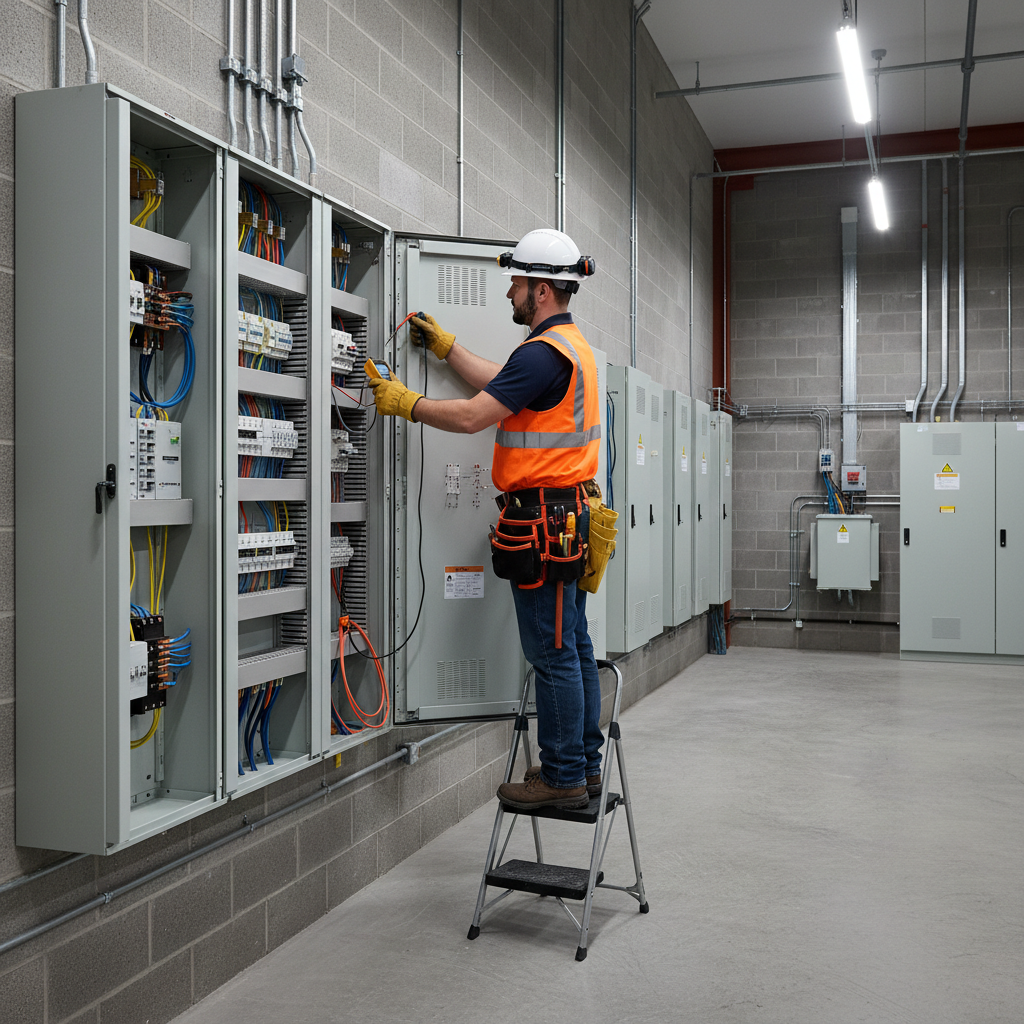
During the inspection, the professional checks wiring, electrical accessories, protective devices, sockets, switches, and other components to identify faults or safety concerns.
The purpose of an EICR is not only to find existing problems but also to highlight potential risks before they become dangerous. After completing the assessment, the inspector provides a report explaining the condition of the electrical installation.
Why is an EICR safety inspection important for homeowners?
An EICR safety Inspection is important because it helps homeowners understand whether their electrical system is safe and suitable for continued use.
Electrical problems can develop slowly over time due to ageing wiring, damaged components, overloading, or poor previous installations. Many faults remain hidden until they cause serious issues such as power failures, electrical shocks, or fires.
A professional inspection provides peace of mind by identifying risks early and allowing homeowners to take appropriate action before problems become more expensive or dangerous.
What does an EICR report check?
An EICR report checks different parts of an electrical installation to determine whether everything is operating safely. The inspection usually includes:
- Electrical wiring condition
- Fuse boxes and consumer units
- Earthing and bonding systems
- Switches and sockets
- Circuit protection devices
- Signs of damage or deterioration
The inspector looks for issues that could affect safety and records any problems found during the assessment.
The final report explains whether the electrical system meets safety standards and whether any improvements are recommended.
How often should an EICR safety inspection be carried out?
The recommended frequency depends on the type of property and how the electrical system is used.
For many homes, an inspection is often recommended every 10 years or when there is a change of ownership. Rental properties usually require more frequent checks to ensure tenant safety and compliance with regulations.
Older properties, buildings with outdated wiring, or locations with heavy electrical usage may need inspections more regularly. A qualified professional can advise on the most suitable schedule based on the condition of the installation.
Who can complete an EICR safety inspection?
An EICR safety Inspection must be completed by a qualified and competent electrical professional with suitable experience and knowledge.
The inspector should understand current electrical regulations and have the skills required to test electrical installations correctly.
Choosing a properly qualified person ensures that the assessment is accurate and that any identified problems are explained clearly.
Is an EICR safety inspection a legal requirement?
The legal requirement for an EICR depends on the type of property and its use.
For example, landlords in many situations are required to arrange regular electrical inspections to protect tenants and meet safety obligations. Homeowners may not always be legally required to have an inspection, but it is still a valuable safety measure.
Having a current report can also be useful when buying, selling, or renovating a property.
What happens during an EICR inspection?
During an inspection, the professional examines and tests different parts of the electrical installation.
The process may include checking visible wiring, testing circuits, inspecting protective devices, and identifying signs of damage or poor installation. Some electrical tests may require temporary power interruptions to ensure accurate results.
After completing the checks, the inspector prepares a report that explains the findings and highlights any required repairs or improvements.
How long does an EICR safety inspection take?
The time required depends on the size and complexity of the property.
A small home may take a few hours, while larger properties with more circuits and electrical equipment may require longer. Factors such as property age, accessibility of wiring, and the condition of the installation can affect the inspection time.
A qualified inspector can provide a better estimate after understanding the size and requirements of the property.
How much does an EICR safety inspection cost?
The cost depends on several factors, including property size, number of circuits, location, and the complexity of the electrical system.
A smaller property usually costs less to inspect than a large house or commercial building with extensive electrical installations.
Homeowners should request a clear quotation before booking the service. Choosing a qualified professional is more important than selecting the cheapest option because accurate testing and safety are the main priorities.
What are the different EICR inspection codes?
An inspection report uses codes to explain the seriousness of any issues found. These codes help property owners understand what action may be required.
Common classifications include:
- C1: Danger present and immediate action required
- C2: Potentially dangerous issue requiring urgent improvement
- C3: Improvement recommended but not immediately dangerous
- FI: Further investigation required
Understanding these codes helps homeowners prioritise electrical repairs and maintain a safer property.
What does a C1 code mean on an EICR report?
A C1 code means there is an immediate danger present within the electrical installation.
This classification indicates that someone could be at serious risk of electric shock, injury, or other harm if the issue is not corrected quickly.
When a C1 problem is identified, urgent action should be taken to remove the danger and make the electrical system safe.
What does a C2 code mean on an EICR report?
A C2 code means that a potentially dangerous issue has been found during the inspection. Although there may not be an immediate danger, the problem could become serious if it is not corrected.
Examples of C2 issues may include damaged electrical components, poor connections, or problems with protective systems that could increase the risk of electric shock or electrical failure.
When a C2 issue appears on a report, urgent attention is recommended. A qualified electrical professional should assess and repair the problem to improve the safety of the installation.
What does a C3 code mean on an EICR report?
A C3 code means that an improvement is recommended but there is no immediate danger.
These observations usually relate to older installations that may not fully meet current standards but are still considered safe to use. For example, outdated components or systems that could be improved in the future may receive a C3 recommendation.
Although C3 issues are not considered urgent, addressing them can improve the safety, efficiency, and reliability of the electrical system.
What happens if my property fails an EICR safety inspection?
If an EICR safety Inspection identifies problems, the property does not automatically become unsafe to occupy. The outcome depends on the severity of the issues found.
Serious faults, such as C1 or C2 problems, usually require repairs or improvements to make the installation safe. Less serious recommendations may simply require future upgrades.
A professional will explain the findings and advise on the best steps to resolve any concerns. Completing recommended repairs helps protect people and property.
Can an EICR safety inspection identify faulty wiring?
Yes, an EICR safety Inspection can identify many types of wiring problems. During the assessment, the inspector checks electrical circuits and components for signs of damage, poor installation, deterioration, or safety concerns.
Faulty wiring can develop because of age, previous modifications, overloading, or incorrect repairs. Detecting these issues early helps prevent electrical failures and reduces safety risks.
Regular checks are especially useful for older properties where wiring conditions may not be obvious.
Do landlords need an EICR safety inspection?
Yes, landlords are required to arrange regular electrical inspections for rental properties in many situations.
An EICR safety Inspection helps landlords confirm that electrical installations are safe for tenants and that any required improvements are identified.
Keeping inspection records and completing necessary repairs helps landlords maintain compliance with safety responsibilities while providing a safer living environment.
Is an EICR safety inspection required when selling a property?
An inspection is not always legally required when selling a property, but it can be beneficial.
Having an up-to-date report gives potential buyers information about the condition of the electrical installation. It can also highlight any issues that may need attention before completing a sale.
Many homeowners choose to arrange an inspection before selling to provide confidence and avoid unexpected electrical concerns during the buying process.
Can an EICR report improve electrical safety in my home?
Yes, an EICR report can help improve electrical safety by identifying faults, risks, and areas that may need improvement.
The report provides a clear overview of the condition of the electrical system and helps homeowners understand what actions should be taken.
By following professional recommendations, homeowners can reduce risks, improve reliability, and maintain a safer electrical environment.
What is the difference between an EICR and a PAT test?
An EICR checks the fixed electrical installation of a property, including wiring, circuits, sockets, and electrical protection systems.
A PAT test, known as Portable Appliance Testing, focuses on individual portable electrical appliances such as kettles, computers, and equipment with plugs.
Both checks are useful for electrical safety, but they examine different areas. An EICR focuses on the building’s electrical system, while PAT testing focuses on movable appliances.
Can an EICR safety inspection prevent electrical fires?
An EICR safety Inspection can help reduce the risk of electrical fires by identifying dangerous faults before they cause serious damage.
Issues such as damaged wiring, overloaded circuits, poor connections, or faulty protective devices can increase fire risks if left untreated.
While an inspection cannot guarantee that every future problem will be prevented, it provides an important safety check that helps identify potential hazards early.
What documents are provided after an EICR inspection?
After completing an inspection, the property owner receives an Electrical Installation Condition Report.
The document includes details about the electrical system, inspection results, observations, and any recommended actions. It records whether the installation is satisfactory or whether improvements are needed.
Keeping this report safely is important because it provides evidence of the condition of the electrical installation.
How long is an EICR certificate valid for?
The validity period depends on the type of property, how it is used, and the condition of the electrical system.
For many domestic properties, an inspection is commonly recommended every ten years. Rental properties often require inspections more frequently according to current regulations.
A qualified professional can advise when the next inspection should take place based on the specific circumstances of the property.
Can an old property pass an EICR safety inspection?
Yes, an older property can pass an EICR safety Inspection if the electrical installation is in good condition and meets safety requirements.
Age alone does not always mean an electrical system is unsafe. However, older properties may require closer inspection because wiring, sockets, and protective equipment may have deteriorated over time.
If improvements are recommended, completing them can help maintain safety and improve the performance of the electrical system.
What are the common problems found during an EICR inspection?
During an EICR safety Inspection, several common electrical issues may be identified depending on the age and condition of the installation.
Some frequent problems include outdated wiring, damaged sockets, poor connections, insufficient earthing, overloaded circuits, and faulty protective devices. Older properties are more likely to have issues because electrical standards and technology have changed over time.
Finding these problems early allows homeowners and property owners to arrange repairs before they develop into serious safety risks.
Should I prepare my home before an EICR safety inspection?
Preparing your property before an EICR safety Inspection can help the process run more smoothly. Homeowners should ensure that electrical areas such as fuse boxes, sockets, and switches are easily accessible.
It is also useful to provide information about any known electrical problems, previous repairs, or upgrades that have been completed.
Although most of the inspection work is carried out by the professional, making access easier can save time and help ensure a more complete assessment.
Can an EICR safety inspection check my fuse box?
Yes, checking the fuse box or consumer unit is an important part of an EICR safety Inspection.
The inspector examines the condition of the unit, protective devices, connections, and safety features to ensure they are working correctly.
Problems with a fuse box can affect the safety of the entire electrical system, so identifying issues early can help prevent electrical failures and improve protection against faults.
Does an EICR inspection include testing electrical sockets?
Yes, electrical sockets are checked during an inspection to identify signs of damage, incorrect installation, or safety concerns.
The professional may test socket outlets to confirm they are operating correctly and safely connected to the electrical system.
Damaged or faulty sockets can create risks such as electric shocks, overheating, or electrical fires, so identifying problems early is important.
Can an EICR safety inspection detect overloaded circuits?
Yes, an EICR safety Inspection can help identify signs of overloaded circuits and other electrical problems.
Overloading can happen when too many appliances use the same circuit or when the electrical system is not suitable for modern energy demands.
The inspection helps determine whether circuits are properly protected and whether improvements are needed to handle electrical usage safely.
What qualifications should an EICR inspector have?
An EICR inspector should have suitable electrical qualifications, training, and experience to carry out testing correctly.
They should understand electrical regulations, inspection procedures, and safety requirements. Choosing a competent professional ensures that the assessment is accurate and that any issues are reported properly.
Homeowners and landlords should always check the inspector’s experience and credentials before arranging an inspection.
Is an EICR safety inspection needed for rental properties?
Yes, rental properties often require regular electrical checks to ensure the safety of tenants.
An EICR safety Inspection helps landlords identify electrical risks and confirm that installations are maintained properly. It provides important information about the condition of wiring, circuits, and electrical equipment within the property.
Keeping inspection records and completing recommended repairs helps landlords meet their safety responsibilities.
How can I find a qualified professional for an EICR inspection?
To find a qualified professional, homeowners should check experience, certifications, reviews, and professional registrations.
A reliable inspector should have the necessary training and knowledge to complete electrical testing safely. It is also helpful to request information about previous work and ask questions about the inspection process.
Choosing a trusted professional helps ensure accurate results and reliable advice.
What is included in an EICR safety inspection report?
An EICR safety Inspection report includes details about the electrical installation and the condition of different components.
The report usually contains:
- Property and inspection details
- Testing results
- Observations and recommendations
- Electrical issues found
- Classification codes
- Overall assessment of safety
This information helps property owners understand whether repairs or improvements are required.
Can electrical issues be repaired after an EICR inspection?
Yes, electrical issues identified during an inspection can usually be repaired by a qualified professional.
The report helps identify what needs attention and allows repairs to be planned based on the seriousness of the problem.
Completing recommended repairs improves safety, reduces risks, and helps ensure the electrical system continues to operate correctly.
Why should businesses arrange regular EICR safety inspections?
Businesses should arrange regular electrical inspections to maintain workplace safety and reduce the risk of electrical failures.
Commercial buildings often have more complex electrical systems because of lighting, machinery, computers, and other equipment. Regular checks help identify faults before they disrupt operations or create hazards.
An EICR safety Inspection provides businesses with valuable information about the condition of their electrical installations and supports better maintenance planning.
How does an EICR safety inspection protect people and property?
An EICR safety Inspection protects people and property by identifying electrical hazards before they cause accidents or damage.
The assessment helps find problems such as faulty wiring, unsafe connections, damaged components, and outdated systems. Addressing these issues reduces the risk of electric shocks, fires, and unexpected electrical failures.
Regular inspections provide confidence that an electrical installation is safe, reliable, and suitable for continued use.
What is NAPIT and why should I choose a NAPIT-approved professional for an EICR safety inspection?
NAPIT is a recognised UK registration body that supports electrical professionals by ensuring they meet required technical standards, safety requirements, and competency levels. Choosing a NAPIT-approved professional for an EICR safety Inspection can give homeowners, landlords, and businesses greater confidence that their electrical assessment is completed by a qualified and competent person.
NAPIT-registered professionals are regularly assessed to ensure they follow industry standards and maintain safe working practices. This helps ensure electrical inspections, testing, and related work are carried out correctly.
For more information about NAPIT registration and approved professionals, visit:
NAPIT Official Website
Conclusion
Maintaining electrical safety is essential for every home, rental property, and business. Electrical systems can become unsafe over time due to ageing components, damage, or increased energy demands.
An EICR safety Inspection provides a detailed assessment of an electrical installation and helps identify problems before they become serious. From checking wiring and sockets to reviewing safety devices and electrical protection systems, the inspection gives property owners a clear understanding of their electrical condition.
Arranging regular inspections with a qualified professional helps improve safety, prevent unexpected problems, and protect both people and property. Whether you own a home, manage a rental property, or operate a business, keeping electrical systems properly inspected and maintained is an important part of responsible property management.
Leave a Reply