Introduction
Keeping your home comfortable does not always require expensive cooling systems. Ceiling Fans offer a simple and energy-efficient way to improve airflow and create a more comfortable living space.
Available in different designs and features, they are suitable for bedrooms, living rooms, offices, and more. This guide covers everything homeowners need to know about choosing, installing, maintaining, and using Ceiling Fans safely and effectively.
What Are the Benefits of Installing Ceiling Fans in a Home?
Installing a fan system in your home can improve comfort and airflow while offering several practical advantages.
One of the main benefits is better air movement. When air becomes warm or feels stagnant, a fan helps circulate it around the room, creating a more comfortable environment.
Other benefits include:
- Improved indoor air circulation
- Reduced dependence on air conditioning
- Lower energy consumption
- Better comfort during warmer months
- Stylish improvement to home interiors
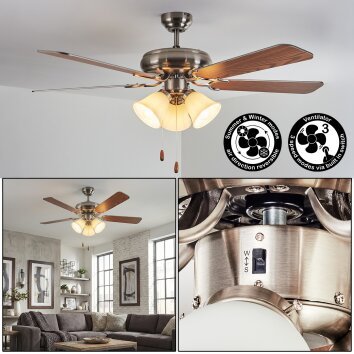
Modern models also come with useful features such as remote controls, smart technology, adjustable speeds, and built-in lighting.
For many homeowners, adding Ceiling Fans is an affordable way to improve comfort without significantly increasing electricity usage.
How Can Ceiling Fans Lower Your Home Energy Bills?
Energy efficiency is one of the biggest reasons people choose fans for their homes.
Unlike air conditioning systems that cool the entire room, fans create a wind-chill effect by moving air across the skin. This allows people to feel cooler without lowering the actual room temperature.
Using fans can help reduce energy costs by:
- Reducing air conditioner usage
- Improving airflow in occupied rooms
- Allowing higher thermostat settings
- Providing affordable cooling during mild weather
Many homeowners combine fans with air conditioning to improve efficiency and reduce the workload on cooling systems.
Choosing energy-efficient Ceiling Fans with modern motors can provide excellent performance while keeping running costs lower.
Are Ceiling Fans Effective for Cooling Rooms?
Yes, fans are effective for improving comfort by moving air throughout a room.
They do not remove heat from the air like an air conditioner, but they create airflow that helps people feel cooler.
They work especially well in:
- Bedrooms
- Living rooms
- Home offices
- Dining areas
The effectiveness depends on factors such as:
- Room size
- Fan placement
- Blade design
- Ceiling height
A correctly selected and positioned fan can make a noticeable difference in how comfortable a room feels.
Can Ceiling Fans Replace Air Conditioning?
Fans can reduce the need for air conditioning in many situations, but they do not completely replace it.
Air conditioning lowers the actual temperature of a room, while fans improve comfort by circulating air.
They are most effective when:
- Temperatures are moderate
- Rooms have good ventilation
- People are present in the area
Many homeowners use both systems together because fans help distribute cool air more effectively.
This combination can improve comfort while helping reduce electricity consumption.
What Size Ceiling Fan Is Best for My Room?
Choosing the correct size is important because a fan that is too small may not provide enough airflow, while a very large model may create unnecessary movement.
The ideal size depends on:
- Room dimensions
- Ceiling height
- Furniture arrangement
- Air circulation requirements
General guidance:
- Small rooms usually need compact models
- Medium rooms work well with standard sizes
- Large spaces benefit from wider blades and stronger motors
Selecting the correct size ensures better performance and a more comfortable indoor environment.
How Do I Choose the Right Ceiling Fan for My Home?
Choosing the best option depends on your lifestyle, room requirements, and personal preferences.
Important factors to consider include:
Room Size
The fan should match the space where it will be installed.
Motor Quality
A reliable motor provides smoother operation, less noise, and longer service life.
Design and Style
Different finishes and blade designs can complement your home décor.
Features
Modern options may include:
- Remote controls
- Smart connectivity
- LED lighting
- Multiple speed settings
Careful selection helps ensure your chosen Ceiling Fans provide comfort, efficiency, and long-term value.
What Are the Different Types of Ceiling Fans Available?
Homeowners can choose from many different styles depending on their needs.
Common types include:
Standard Models
These are suitable for most bedrooms, living rooms, and general areas.
Low Profile Models
Designed for properties with lower ceilings where extra clearance is needed.
Smart Models
These connect with mobile apps and smart home systems.
Outdoor Models
Built for covered outdoor spaces with stronger protection against weather conditions.
Fans With Integrated Lights
These combine lighting and airflow in one practical unit.
Understanding the different options makes it easier to select the right solution for your home.
Are Smart Ceiling Fans Worth Installing?
Smart technology has improved many household appliances, and fans are no exception.
Smart models allow users to control settings through:
- Smartphone applications
- Voice assistants
- Smart home systems
Benefits include:
- Remote operation
- Scheduled running times
- Better control over energy use
- Automatic adjustments
For homeowners who prefer convenience and modern features, smart options can be a valuable upgrade.
How Do Smart Ceiling Fans Work?
Smart fans use wireless technology to connect with devices such as smartphones or home automation systems.
Users can adjust settings without manually using a switch or remote.
Common smart features include:
- Speed control
- Timer settings
- Voice commands
- Energy monitoring
These features make daily use easier and allow homeowners to manage comfort more efficiently.
Can You Install Ceiling Fans in Every Room of Your Home?
In most cases, fans can be installed in many areas of a home, provided the room has suitable electrical connections and ceiling support.
Common installation locations include:
- Bedrooms
- Living rooms
- Kitchens
- Dining rooms
- Home offices
However, areas with high moisture levels may require specially designed models.
Before installation, it is important to check ceiling strength, electrical wiring, and available space.
Where Is the Best Location to Install a Ceiling Fan?
The best position is usually near the centre of the room because this allows airflow to spread evenly.
Placement should consider:
- Room layout
- Furniture position
- Ceiling height
- Air movement requirements
A correctly positioned fan provides better comfort and avoids uneven airflow.
Professional installation can also help ensure the fan is securely fitted and properly balanced.
How High Should a Ceiling Fan Be Installed From the Floor?
The installation height depends on the room structure and fan design.
A fan should be positioned high enough to provide safety clearance while still allowing effective airflow.
Factors affecting installation height include:
- Ceiling height
- Blade size
- Mounting style
- Room usage
Rooms with higher ceilings may require extension rods to place the fan at the ideal height.
Do Ceiling Fans Work Well in Rooms With High Ceilings?
Yes, fans can work effectively in rooms with high ceilings when installed correctly.
High ceilings often require additional installation considerations, such as:
- Longer down rods
- Correct positioning
- Suitable blade size
Without proper placement, airflow may remain too high above the area where people sit.
A correctly installed system helps bring comfortable airflow down into the living space.
Can Ceiling Fans Be Installed on Low Ceilings?
Yes, low ceilings can still have fans installed by choosing suitable models.
Low-profile or flush-mounted designs are made specifically for rooms with limited ceiling height.
Important considerations include:
- Safety clearance
- Room size
- Fan design
Selecting the right model allows homeowners to enjoy better airflow without creating safety concerns.
Do Ceiling Fans Require Professional Installation?
Although some homeowners may try to install a fan themselves, professional installation is usually the safest choice.
A qualified electrician can ensure that:
- The wiring is connected correctly
- The fan is securely attached to the ceiling
- The mounting bracket can support the weight
- Electrical safety requirements are followed
Incorrect installation may lead to problems such as unusual noise, poor performance, vibration, or electrical faults.
Professional fitting helps ensure your Ceiling Fans operate safely, smoothly, and efficiently for a long time.
Can I Install a Ceiling Fan Where a Light Fixture Already Exists?
Yes, a fan can often replace an existing light fixture, but the area must be checked before installation.
A normal light fitting may not always provide enough support because fans create movement while operating.
Before replacing a light fixture, an electrician should check:
- Ceiling support strength
- Existing wiring condition
- Mounting requirements
- Electrical connections
If additional support is needed, adjustments can be made to ensure a secure installation.
What Electrical Requirements Are Needed for Ceiling Fan Installation?
Fans need a suitable electrical connection to operate safely and correctly.
The installation usually requires:
- Proper wiring connections
- A reliable power supply
- Suitable switches or controls
- Secure ceiling support
Some modern models may require additional wiring for features such as:
- Remote controls
- Smart controls
- Integrated lights
A professional electrical check helps prevent problems and ensures the system works correctly after installation.
How Much Does Ceiling Fan Installation Cost?
The cost of installing a fan depends on several factors, including the type of fan, existing wiring, and the complexity of the work.
Common factors that influence installation costs include:
- Whether new wiring is required
- Ceiling height
- Fan design and features
- Installation location
- Electrical modifications
Replacing an existing unit is usually simpler than installing a completely new system.
Getting a professional assessment before installation helps homeowners understand the expected cost and avoid unexpected expenses.
How Long Does It Take to Install a Ceiling Fan?
The installation time depends on the condition of the property and the type of fan being fitted.
A straightforward replacement may be completed quickly, while a new installation may require more preparation.
The process usually involves:
- Checking the installation area
- Fitting the mounting bracket
- Connecting electrical wiring
- Installing fan components
- Testing operation
Proper installation may take slightly longer but helps ensure reliable performance.
Why Is My Ceiling Fan Making Unusual Noises?
Unusual sounds from a fan can happen for different reasons.
Common causes include:
- Loose screws
- Dust accumulation
- Unbalanced blades
- Motor issues
- Incorrect installation
Simple maintenance, such as cleaning blades and tightening loose parts, may solve minor problems.
If the noise continues, professional inspection is recommended to identify the exact cause and prevent further damage.
What Causes a Ceiling Fan to Wobble?
A wobbling fan is usually caused by imbalance or installation issues.
Possible reasons include:
- Loose mounting screws
- Uneven blades
- Incorrect installation
- Damaged blade holders
- Unequal blade weight
A small amount of movement may be normal, but excessive shaking should be checked.
Keeping the fan properly balanced improves performance and reduces stress on internal components.
How Can I Fix a Shaking Ceiling Fan?
If your fan is shaking, start with some basic checks.
You can:
- Turn off the power before inspection
- Tighten loose screws
- Clean the blades
- Check blade alignment
- Make sure the mounting bracket is secure
If the problem remains, the fan may require professional adjustment.
Regular inspection helps maintain safe and smooth operation.
How Often Should Ceiling Fans Be Cleaned?
Regular cleaning helps maintain airflow and keeps the fan working efficiently.
Dust can collect on blades and reduce performance over time.
Cleaning frequency depends on:
- Room usage
- Dust levels
- Indoor air quality
A basic cleaning routine should include:
- Wiping the blades
- Removing dust from the motor area
- Checking for visible damage
Keeping your Ceiling Fans clean improves appearance and helps maintain better airflow.
Do Ceiling Fans Require Regular Maintenance?
Yes, regular maintenance can extend the lifespan of your fan and improve reliability.
Basic maintenance includes:
- Checking screws and fittings
- Cleaning blades
- Inspecting unusual sounds
- Testing speed settings
- Checking remote controls
Small issues are easier and cheaper to fix when identified early.
Well-maintained fans generally provide quieter operation and better performance.
Why Is My Ceiling Fan Not Working Properly?
There are several reasons why a fan may not work correctly.
Common problems include:
- Power supply issues
- Faulty switches
- Remote control problems
- Motor faults
- Wiring problems
Before calling an electrician, check simple things such as:
- Power availability
- Switch operation
- Remote batteries
If the issue continues, professional help may be required.
What Should I Check If My Ceiling Fan Stops Working?
When a fan stops working, start with basic troubleshooting.
Check:
- Whether electricity is reaching the fan
- If the wall switch works
- Remote control batteries
- Circuit breaker position
If these checks do not solve the problem, there may be an internal fault.
An electrician can safely inspect wiring, switches, and electrical components.
Can Ceiling Fans Improve Indoor Air Circulation?
Yes, improving airflow is one of the main advantages of installing a fan.
Better air circulation helps prevent rooms from feeling stuffy and improves overall comfort.
Good airflow can make spaces feel:
- Fresher
- More comfortable
- Better ventilated
Fans are especially useful in larger rooms where air movement may be limited.
Do Ceiling Fans Help With Heating During Winter?
Yes, many modern fans can help improve comfort during colder months.
Most warm air naturally rises toward the ceiling. A fan with a reverse rotation setting can gently push this warm air back into the room.
Winter benefits include:
- Better heat distribution
- Improved comfort
- Reduced heat loss
This makes fans useful throughout the year, not only during summer.
What Is the Difference Between Clockwise and Anti-Clockwise Ceiling Fan Rotation?
The direction of rotation changes how air moves around the room.
Anti-Clockwise Rotation
This direction pushes air downward and creates a cooling effect during warmer weather.
Clockwise Rotation
This setting helps move warm air from the ceiling back into the living area during colder months.
Many modern models allow users to change direction using a switch or remote control.
Can Ceiling Fans Be Used Outdoors?
Yes, outdoor areas can use specially designed fans made for external environments.
Suitable locations include:
- Covered patios
- Porches
- Outdoor seating areas
- Gazebos
Outdoor models are built with stronger materials and better protection against moisture.
Indoor fans should not be installed outside because they may not handle outdoor conditions safely.
Are Outdoor Ceiling Fans Weather Resistant?
Outdoor fans are designed to handle different weather conditions, but protection levels vary between models.
Weather-resistant designs usually include:
- Durable materials
- Moisture protection
- Stronger construction
However, not all outdoor fans are suitable for direct exposure to rain.
Choosing the correct model for your outdoor area ensures safer and longer-lasting performance.
Are Ceiling Fans Safe for Children and Pets?
When installed correctly, fans are generally safe for homes with children and pets.
However, homeowners should consider a few safety points:
- Ensure the fan is securely attached to the ceiling
- Keep hanging cords out of reach
- Choose the correct installation height
- Perform regular safety checks
Using a properly installed fan reduces the risk of accidents and ensures comfortable airflow throughout the room.
For homes with children, selecting a model with enclosed lights and safe controls can provide additional peace of mind.
How Much Electricity Does a Ceiling Fan Use?
The electricity usage of a fan depends on factors such as motor type, speed setting, and how long it runs each day.
Compared with many cooling appliances, fans usually consume much less power.
Energy usage is affected by:
- Fan size
- Motor efficiency
- Running speed
- Daily operating hours
Modern energy-saving models use advanced motors that provide strong airflow while using less electricity.
Choosing efficient Ceiling Fans can help homeowners maintain comfort while managing household energy costs.
Are Energy-Efficient Ceiling Fans Available?
Yes, many modern fans are designed with energy efficiency in mind.
Energy-saving models often include:
- Efficient motors
- Improved blade designs
- Adjustable speed settings
- Smart control options
These features help reduce unnecessary electricity use while maintaining good airflow.
When selecting a new fan, looking for energy-efficient features can provide long-term savings and better performance.
Can LED Lights Be Added to Ceiling Fans?
Yes, many modern fans come with built-in LED lighting options.
Combining lighting and airflow in one unit offers several advantages:
- Saves ceiling space
- Provides practical room lighting
- Reduces the need for separate fixtures
- Creates a cleaner interior appearance
LED lights are also popular because they use less electricity and usually last longer than traditional bulbs.
What Are the Advantages of Ceiling Fans With Built-In Lights?
Fans with integrated lights provide a convenient solution for rooms that need both airflow and illumination.
Benefits include:
- Two functions in one product
- Better use of ceiling space
- Modern appearance
- Energy-efficient lighting options
They are especially useful in:
- Bedrooms
- Living rooms
- Dining areas
- Home offices
Choosing a combined unit can simplify installation and improve room functionality.
Can Ceiling Fans Be Controlled With Remote Controls?
Yes, many modern models include remote controls for easier operation.
A remote allows homeowners to adjust settings without reaching a wall switch.
Common controls include:
- Speed adjustment
- Power on and off
- Timer settings
- Light control
Remote-controlled options are particularly useful in bedrooms and larger rooms where convenient operation is important.
How Do Remote-Controlled Ceiling Fans Work?
Remote-controlled fans use wireless technology to communicate between the remote device and the fan receiver.
The receiver inside the fan responds to commands such as:
- Changing speed
- Turning the fan on or off
- Adjusting lighting
- Setting timers
Some advanced models also connect with mobile apps or smart home systems.
These features make daily operation easier and provide better control over indoor comfort.
Are Ceiling Fans Suitable for Bedrooms?
Yes, fans are commonly installed in bedrooms because they help create a comfortable sleeping environment.
Benefits for bedrooms include:
- Improved airflow
- Reduced stuffiness
- Quiet operation
- Better comfort during warm nights
When choosing a bedroom fan, homeowners should consider:
- Noise level
- Fan size
- Speed settings
- Lighting options
A quiet and efficient model can improve comfort without disturbing sleep.
Are Ceiling Fans Suitable for Living Rooms and Kitchens?
Yes, fans work well in both living rooms and kitchens when the correct model is selected.
In living rooms, they help improve comfort by circulating air across larger spaces.
In kitchens, they can help reduce the feeling of warm, stagnant air caused by cooking activities.
Important considerations include:
- Room size
- Airflow requirements
- Ceiling height
- Cleaning needs
Choosing suitable Ceiling Fans helps maintain a more comfortable environment in busy areas of the home.
How Do I Maintain My Ceiling Fan for Long-Lasting Performance?
Regular maintenance helps extend the life of your fan and keeps it operating efficiently.
Simple maintenance tasks include:
Clean the Blades Regularly
Dust buildup can reduce airflow and affect performance.
Check Screws and Fittings
Loose parts can cause noise and vibration.
Inspect for Unusual Sounds
Early attention can prevent bigger problems.
Check Electrical Connections
Professional checks can help identify possible electrical issues.
A small amount of regular care can improve reliability and reduce the need for repairs.
How Can I Improve the Performance of My Ceiling Fans?
There are several ways homeowners can get better performance from their fans.
Helpful tips include:
- Keep blades clean
- Use the correct speed setting
- Ensure proper installation height
- Choose the right fan size for the room
- Avoid blocking airflow with large furniture
Good placement and regular care allow fans to work more effectively.
Are Modern Ceiling Fans Better Than Older Models?
Modern designs usually offer improved performance, efficiency, and convenience compared with older models.
Newer options may include:
- Quieter motors
- Better airflow technology
- Smart controls
- LED lighting
- Energy-saving features
Upgrading an older unit can improve comfort while reducing electricity consumption.
When Should I Replace My Ceiling Fan?
A fan may need replacement when it shows signs of age or repeated problems.
Common signs include:
- Excessive noise
- Frequent repairs
- Slow operation
- Damaged blades
- Outdated electrical components
Replacing an old model with a modern option can improve safety, appearance, and efficiency.
Can Ceiling Fans Improve Indoor Comfort All Year Round?
Yes, fans can provide benefits throughout the year when used correctly.
During warmer months, they create a cooling effect by moving air downward.
During colder months, reverse rotation can help circulate warm air that collects near the ceiling.
This makes them a useful addition for year-round comfort.
What Should Homeowners Consider Before Installing Ceiling Fans?
Before installation, homeowners should consider:
- Room size
- Ceiling height
- Electrical wiring
- Fan design
- Energy efficiency
- Installation location
Planning carefully helps ensure the selected fan meets your home’s needs.
Professional advice can also help avoid installation problems and improve long-term performance.
Why Are Ceiling Fans a Popular Choice for Homeowners?
Fans remain popular because they offer a simple, affordable, and practical way to improve indoor comfort.
They provide:
- Better airflow
- Lower energy use
- Flexible designs
- Easy operation
- Year-round benefits
With many styles and features available, homeowners can find options that match both their comfort needs and interior design preferences.
Why should I choose a NAPIT-approved electrician for Ceiling Fans installation?
Choosing a NAPIT-approved electrician helps ensure your Ceiling Fans are installed safely and correctly. NAPIT-approved professionals follow recognised electrical standards, complete proper testing, and provide reliable workmanship for home electrical installations. You can learn more about NAPIT-approved installers here: NAPIT Official Website
Final Conclusion
Ceiling Fans are a practical addition to modern homes, offering improved airflow, better comfort, and energy-efficient cooling solutions. They can help reduce dependence on expensive cooling systems while creating a more pleasant indoor environment.
From choosing the correct size and design to ensuring proper installation and regular maintenance, understanding how fans work helps homeowners make better decisions.
Whether you need better airflow in a bedroom, living room, kitchen, or outdoor area, the right fan can provide long-lasting benefits. With modern features such as smart controls, LED lighting, and energy-efficient motors, today’s options offer convenience, reliability, and value for homeowners.
Leave a Reply