Introduction
A safe and reliable electrical system is important for every modern home. The electrical panel plays a key role in distributing power to your appliances, lighting, and other electrical systems. However, problems such as frequent breaker trips, unusual noises, overheating, or outdated equipment can create serious safety risks if ignored.
This Electrical Panels Guide helps homeowners identify common panel problems, recognise early warning signs, understand maintenance requirements, and know when it’s time to contact a qualified electrician.
By identifying problems early and arranging proper inspections, you can improve safety, prevent costly repairs, and ensure your electrical system works efficiently.
What is an electrical panel and why does it matter in your home?
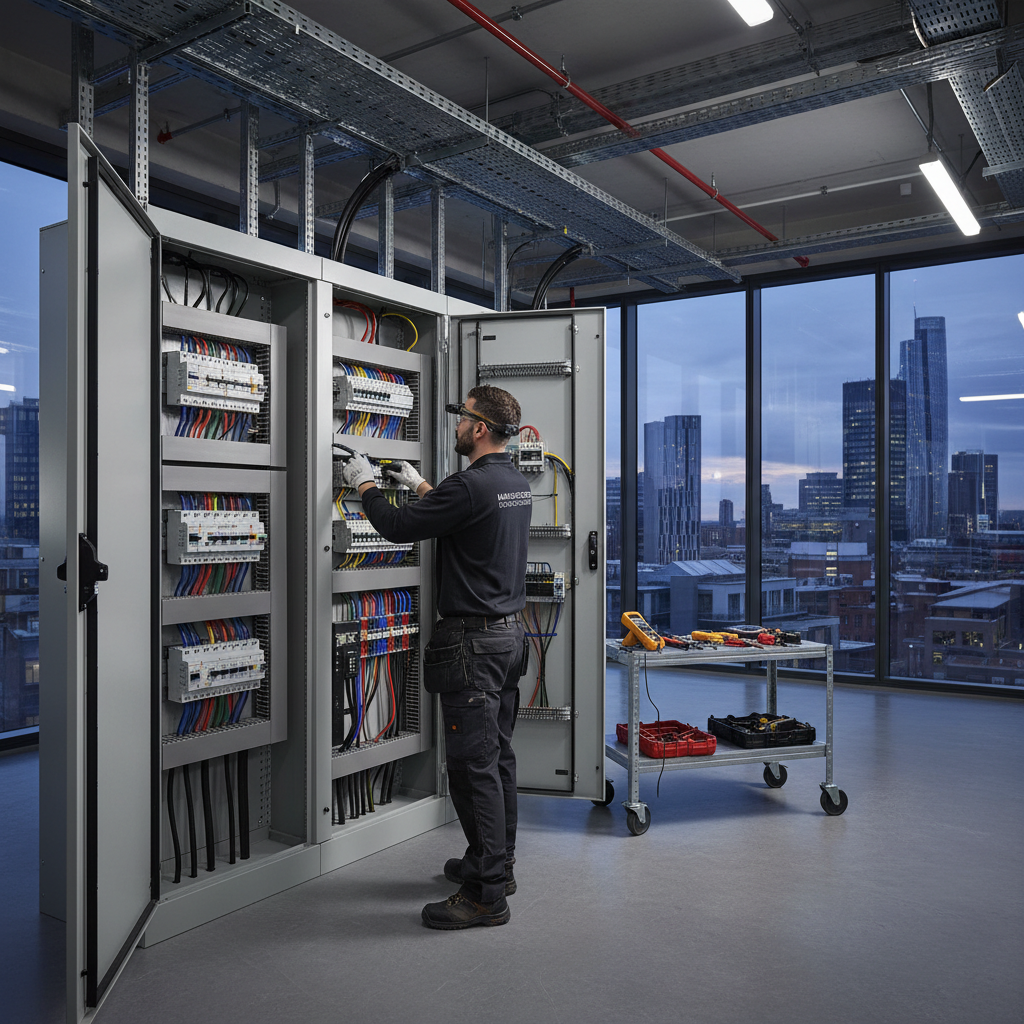
An electrical panel is the main control centre of your home’s electrical system. It receives electricity from the main supply and distributes it through different circuits across your property.
Inside the panel are circuit breakers that protect your home by automatically shutting off electricity when they detect unsafe conditions such as overloads, short circuits, or electrical faults.
According to this Electrical Panels Guide, a properly working panel plays a major role in protecting your family, electrical appliances, and property. Without a reliable electrical panel, your home may face increased risks of electrical failures and safety problems.
A modern electrical panel also allows better management of power usage and provides enough capacity for today’s appliances, technology, and electrical equipment.
2. How frequently should you have your electrical panel checked by a professional?
The inspection frequency depends on the age and condition of your electrical system. Older homes usually require more frequent checks because electrical components can wear down over time.
- Your property is more than several decades old
- You experience repeated breaker trips
- You install high-power appliances
- You notice unusual sounds or smells
- You are planning renovations or extensions
This Electrical Panels Guide recommends regular professional inspections because many electrical panel problems develop internally and may not be visible to homeowners.
A qualified electrician can check connections, breakers, wiring condition, and overall panel performance to make sure everything is operating safely.
3. What are the common signs that an electrical panel needs professional help?
There are many warning signs that indicate your electrical panel may need attention. Some common problems include:
- Circuit breakers constantly switching off
- Flickering or dimming lights
- Burning smells near the panel
- Buzzing or crackling sounds
- A warm or hot panel surface
- Rust or corrosion
- Old fuse-based systems
- Lack of available circuits
This Electrical Panels Guide explains that these signs should never be ignored because they may indicate deeper electrical issues.
Small problems can become serious when they involve electricity. Getting professional help early can prevent damage and improve the safety of your home.
4. What are the signs that your electrical panel may be old or outdated?
An outdated electrical panel may not be suitable for modern electrical demands. Older homes were designed when households used fewer electrical devices, but today’s properties rely on multiple appliances, computers, heating systems, and smart technology.
Signs of an outdated panel include:
- Limited circuit space
- Old fuse boxes
- Frequent power interruptions
- Visible damage
- Inability to support new appliances
- Repeated electrical faults
This Electrical Panels Guide highlights that upgrading an outdated panel can improve safety and provide better protection for your electrical system.
A professional electrician can assess your current setup and recommend whether repair or replacement is the best option.
5. Can an outdated electrical panel create risks for your home’s safety?
Yes, an old electrical panel can become a safety risk if it is unable to handle your home’s electricity requirements.
Over time, electrical components can deteriorate. Connections may become loose, breakers may fail, and internal parts may become damaged.These problems may lead to excessive heat buildup and raise the risk of electrical fires.
As explained in this Electrical Panels Guide, older panels should be inspected regularly, especially if you notice unusual behaviour or your electricity usage has increased.
Replacing an outdated panel can provide improved protection, better performance, and greater peace of mind.
6. Why does my electrical panel make buzzing or humming noises?
An electrical panel should operate quietly. A noticeable buzzing, humming, or crackling sound may indicate a problem that requires professional attention.
Possible causes include:
- Loose electrical connections
- Faulty circuit breakers
- Overloaded circuits
- Internal electrical faults
- Damaged components
This Electrical Panels Guide explains that unusual sounds should not be ignored because they can sometimes indicate electrical arcing or overheating.
A qualified electrician can inspect the panel and identify the source of the noise before it develops into a more serious issue.
7. Is a warm electrical panel a sign of a problem?
A slightly warm electrical panel can sometimes occur during normal operation, but excessive heat is a warning sign.
A hot panel may be caused by:
- Overloaded circuits
- Loose connections
- Faulty breakers
- High electricity demand
- Damaged internal components
The Electrical Panels Guide recommends taking action if your panel feels unusually hot because excessive heat can damage electrical parts and create safety risks.
A professional inspection can determine whether the issue requires repair, replacement, or an electrical system upgrade.
8. Why does my circuit breaker keep tripping repeatedly?
Circuit breakers are designed to protect your home by shutting off power when they detect unsafe electrical conditions. However, frequent breaker trips usually mean there is an underlying problem.
Common causes include:
- Too many devices connected to one circuit
- Short circuits
- Faulty appliances
- Damaged wiring
- Electrical panel problems
This Electrical Panels Guide explains that repeatedly resetting a breaker is not a permanent solution. The cause should be identified to prevent further damage.
An electrician can test the circuit and determine whether the problem is related to the appliance, wiring, or panel itself.
9. What causes frequent power outages inside a home?
Frequent power interruptions inside your home can be caused by problems with your electrical system.
Possible causes include:
- Faulty breakers
- Loose connections
- Overloaded circuits
- Damaged wiring
- Age-related electrical panel issues
According to this Electrical Panels Guide, internal power problems should be investigated instead of ignored because they may indicate a larger electrical fault.
A professional electrician can inspect your system and provide a safe solution.
10. How can I tell if my electrical panel is overloaded?
An overloaded electrical panel means your system is handling more electrical demand than it was designed for.
Common warning signs include:
- Breakers frequently tripping
- Lights dimming when appliances turn on
- Warm panel surfaces
- Burning smells
- Limited circuit availability
This Electrical Panels Guide shows that increasing electricity usage can put pressure on older panels. Adding new appliances without checking your electrical capacity can create safety issues.
If your panel cannot support your home’s power requirements, an electrician may recommend upgrading the system.

Leave a Reply