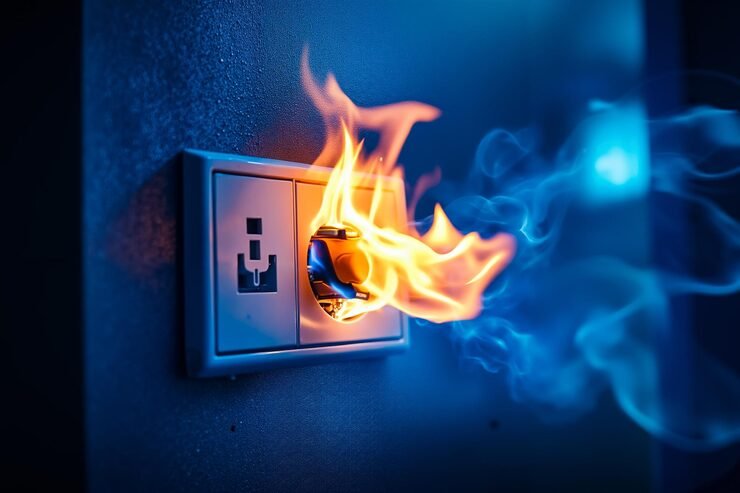
Electrical systems are essential for modern homes, powering lighting, appliances, and daily activities. However, damaged wiring, overloaded circuits, and faulty equipment can create serious fire risks.
Electrical Fire Prevention helps protect your home and family by identifying hazards early and following safe electrical practices. Regular inspections, proper appliance use, and professional repairs can reduce the chances of electrical fires.
This guide explains the common causes, warning signs, and simple safety tips to help homeowners maintain a safer electrical system.
What is electrical fire prevention and why is it important?
Electrical Fire Prevention means taking steps to reduce the chances of fires caused by electrical faults, damaged equipment, or unsafe electrical practices. It focuses on identifying risks early and maintaining a safe electrical system.
Electrical fires can happen when electricity generates excessive heat due to problems such as:
- Faulty wiring
- Overloaded circuits
- Damaged appliances
- Loose connections
- Poor electrical maintenance
Preventing electrical fires is essential because they can lead to property damage, injuries, and unexpected repair costs. A small electrical issue can quickly become dangerous if it is ignored.
Regular checks, safe appliance usage, and professional electrical inspections help homeowners identify problems before they become major hazards.
How do electrical problems contribute to fires in residential buildings?
Electrical fires can occur for several reasons, but most are linked to faults within the electrical system or unsafe usage of electrical devices.
Some common causes include:
- Faulty or damaged wiring
- Overloaded electrical sockets
- Old electrical systems
- Defective appliances
- Loose electrical connections
- Damaged extension leads
- Incorrect DIY electrical work
When electrical components become damaged or overloaded, they can produce excessive heat. This heat can damage insulation and may eventually ignite nearby materials.
Understanding these causes is an important step in improving Electrical Fire Prevention and keeping your home protected.
How can I reduce the risk of electrical fires in my property?
Homeowners can reduce electrical fire risks by following simple safety measures and maintaining their electrical systems properly.
Helpful steps include:
- Keep the number of appliances plugged into one socket within safe limits.
- Replace damaged cables immediately
- Keep electrical appliances away from water
- Arrange regular electrical inspections
- Use appliances according to manufacturer instructions
- Avoid using faulty electrical equipment
It is also important to pay attention to warning signs such as burning smells, unusual sounds, or frequent circuit breaker trips.
Taking preventive action improves Electrical Fire Prevention and helps create a safer home environment.
What warning signs indicate a possible electrical fire risk?
Electrical issues often show early warning signs before they become serious fire hazards.. Recognising these signs early allows homeowners to take action quickly.
Common warning signs include:
- Burning smells from outlets
- Discoloured sockets
- Flickering lights
- Buzzing sounds
- Warm switches or plugs
- Sparks from electrical equipment
- Frequent power interruptions
These signs may indicate overheating, damaged wiring, or electrical faults.
Taking early action can help prevent these faults from developing into electrical fire hazards. Early repairs and professional inspections are essential parts of effective Electrical Fire Prevention.
Can faulty wiring cause electrical fires?
Yes, faulty wiring is one of the leading causes of electrical fires in homes. Damaged wires, poor connections, and ageing electrical systems can create unsafe conditions.
Faulty wiring may cause:
- Excessive heat buildup
- Electrical sparks
- Short circuits
- Insulation damage
- Fire hazards
Many wiring faults are hidden inside walls, making them hard for homeowners to spot without professional electrical testing.
Regular inspections by a qualified electrician can detect wiring issues and support better Electrical Fire Prevention by reducing potential hazards.
How does overloaded wiring increase the risk of electrical fires?
Overloaded wiring happens when electrical circuits carry more power than they are designed to handle. This can cause wires to become extremely hot.
Over time, overheating can damage wire insulation and create fire risks.
Common causes of overloaded circuits include:
- Using multiple high-power appliances together
- Connecting too many devices to one outlet
- Using unsuitable extension leads
- Poor electrical planning
Modern homes often use more electrical devices than older systems were designed for.
Managing electricity usage properly is an important part of Electrical Fire Prevention and helps protect your electrical system.
Why do electrical sockets overheat?
Electrical sockets can overheat when there is too much electrical demand or a problem with the socket itself.
Common reasons include:
- Loose internal connections
- Damaged sockets
- Overloaded outlets
- Faulty plugs
- Poor installation
An overheating socket may feel warm, produce a burning smell, or show signs of discolouration.
If you notice these issues, stop using the socket and arrange professional inspection.Fixing overheating issues early helps improve Electrical Fire Prevention and reduces the chance of serious damage.
How many appliances can I safely plug into one outlet?
The number of appliances that can safely connect to one outlet depends on the power requirements of the devices and the capacity of the electrical circuit.
Putting too much demand on one socket can create safety concerns such as:
- Overheating
- Circuit overload
- Damaged sockets
- Increased fire risk
High-power appliances such as heaters, ovens, and washing machines usually require dedicated circuits.
Using electrical outlets correctly is a simple but effective way to improve Electrical Fire Prevention at home.
Can damaged electrical cables cause fires?
Yes, damaged electrical cables can create serious fire risks. Cables with broken insulation or exposed wires can allow electricity to escape and generate dangerous heat.
Cable damage may happen because of:
- Age
- Bending or crushing
- Pets chewing cables
- Poor storage
- Physical damage
Broken or exposed cables should always be properly replaced or repaired by a qualified professional.
Replacing faulty cables helps reduce hazards and supports better Electrical Fire Prevention.
How regularly should I have my home wiring and electrical components tested?
Regular electrical checks help ensure that your home’s electrical system remains safe and reliable. The frequency depends on the age and condition of your property.
You should consider inspections if:
- Your home has old wiring
- You experience frequent electrical faults
- You have recently renovated
- You notice warning signs
- You are buying an older property
Professional electrical inspections can identify hidden issues that may not be visible during normal checks.
Routine maintenance plays an important role in Electrical Fire Prevention and long-term home safety.
Why are old electrical systems more likely to cause fires?
Older electrical systems are more likely to create fire risks because they may not be designed to handle the power demands of modern homes. Over time, wiring, sockets, and electrical components can deteriorate and become unsafe.
Old electrical systems may experience:
- Damaged insulation
- Overloaded circuits
- Outdated safety features
- Loose connections
- Increased overheating risks
Many older properties were built when households used fewer electrical appliances. Today, the increased use of computers, kitchen appliances, heating devices, and smart technology puts more pressure on electrical systems.
Upgrading outdated components and arranging professional inspections are important steps for effective Electrical Fire Prevention.
How can I identify unsafe electrical appliances?
Unsafe electrical appliances often show warning signs before they become dangerous. Identifying these problems early can help prevent electrical damage and possible fires.
Signs of an unsafe appliance include:
- Burning smells
- Unusual noises
- Damaged power cords
- Overheating surfaces
- Sparks during use
- Frequent power trips
Appliances that are old, damaged, or poorly maintained should be checked carefully before continued use.
Replacing faulty equipment and using appliances correctly supports Electrical Fire Prevention and helps protect your home from unnecessary risks.
Can power surges damage my electrical system and cause fires?
Yes, power surges can damage electrical systems and increase fire risks in some situations. A power surge occurs when there is a sudden increase in electrical voltage flowing through your home.
Power surges can damage:
- Electrical appliances
- Circuit components
- Wiring systems
- Sensitive electronic devices
Strong surges may cause overheating or damage internal parts of appliances, which can create unsafe conditions.
Using surge protection devices and maintaining your electrical system properly can improve Electrical Fire Prevention and protect valuable equipment.
What should I do if I notice a burning smell from an electrical outlet?
A burning smell from an electrical outlet should always be treated as a warning sign. It may indicate overheating, damaged wiring, or a loose electrical connection.
If you notice a burning smell:
- Stop using the outlet immediately
- Switch off the power if it is safe
- Keep away from damaged equipment
- Avoid touching hot sockets
- Contact a qualified electrician
Ignoring a burning smell can allow a small electrical problem to become a serious hazard.
Quick action is an important part of Electrical Fire Prevention and can help prevent electrical fires.
Are extension leads safe for long-term use?
Extension leads can be useful when used correctly, but they are not designed as a permanent replacement for additional electrical sockets.
Long-term or incorrect use can lead to:
- Overheating
- Circuit overloads
- Damaged cables
- Increased fire risks
Avoid connecting multiple extension leads together or using them for high-power appliances unless they are specifically designed for that purpose.
Installing additional sockets where needed is a safer solution and supports better Electrical Fire Prevention.
How can regular electrical maintenance help prevent fires?
Regular electrical maintenance helps identify problems before they become dangerous. Electrical systems naturally experience wear and tear, so routine checks are important.
Maintenance can help detect:
- Loose connections
- Damaged wiring
- Faulty switches
- Overloaded circuits
- Ageing components
Professional maintenance ensures that electrical systems continue operating safely and efficiently.
Regular checks are one of the most effective ways to improve Electrical Fire Prevention and reduce the chance of unexpected electrical failures.
What role does a circuit breaker play in electrical fire prevention?
A circuit breaker is a safety device that protects electrical circuits from excessive current. When it detects an overload or fault, it automatically switches off the electricity supply.
Circuit breakers help prevent:
- Overheated wiring
- Electrical damage
- Short circuits
- Potential fires
If a circuit breaker trips frequently, it may indicate an underlying electrical problem that requires investigation.
A properly working circuit breaker is an important part of Electrical Fire Prevention and home electrical protection.
How does an RCD help protect my home from electrical dangers?
An RCD (Residual Current Device) is a safety device that quickly disconnects electricity when it detects an electrical imbalance.
It helps protect against:
- Electric shocks
- Electrical faults
- Damaged appliances
- Current leakage
RCD protection is especially valuable in areas where electricity and water may come into contact, such as kitchens, bathrooms, and outdoor spaces.
Installing suitable safety devices improves Electrical Fire Prevention and provides additional protection for homeowners.
What safety checks should homeowners perform regularly?
Homeowners can perform simple checks to identify possible electrical problems early. These checks do not replace professional inspections but help maintain awareness of electrical safety.
Regular checks include:
- Inspecting cables for damage
- Checking sockets for burn marks
- Looking for unusual smells
- Monitoring flickering lights
- Avoiding overloaded outlets
- Checking appliances for damage
If any warning signs appear, professional assistance should be arranged.
Regular attention to electrical conditions supports Electrical Fire Prevention and helps maintain a safer home.
Can faulty switches increase the risk of electrical fires?
Yes, faulty switches can increase the risk of electrical fires. Damaged switches may create poor connections, overheating, or electrical sparks.
Warning signs of faulty switches include:
- Heat around the switch
- Buzzing sounds
- Flickering lights
- Delayed operation
- Burning smells
A damaged switch should not be ignored because it can become a serious electrical hazard.
Replacing faulty switches with professional help is an important step in Electrical Fire Prevention and maintaining electrical safety.
Leave a Reply