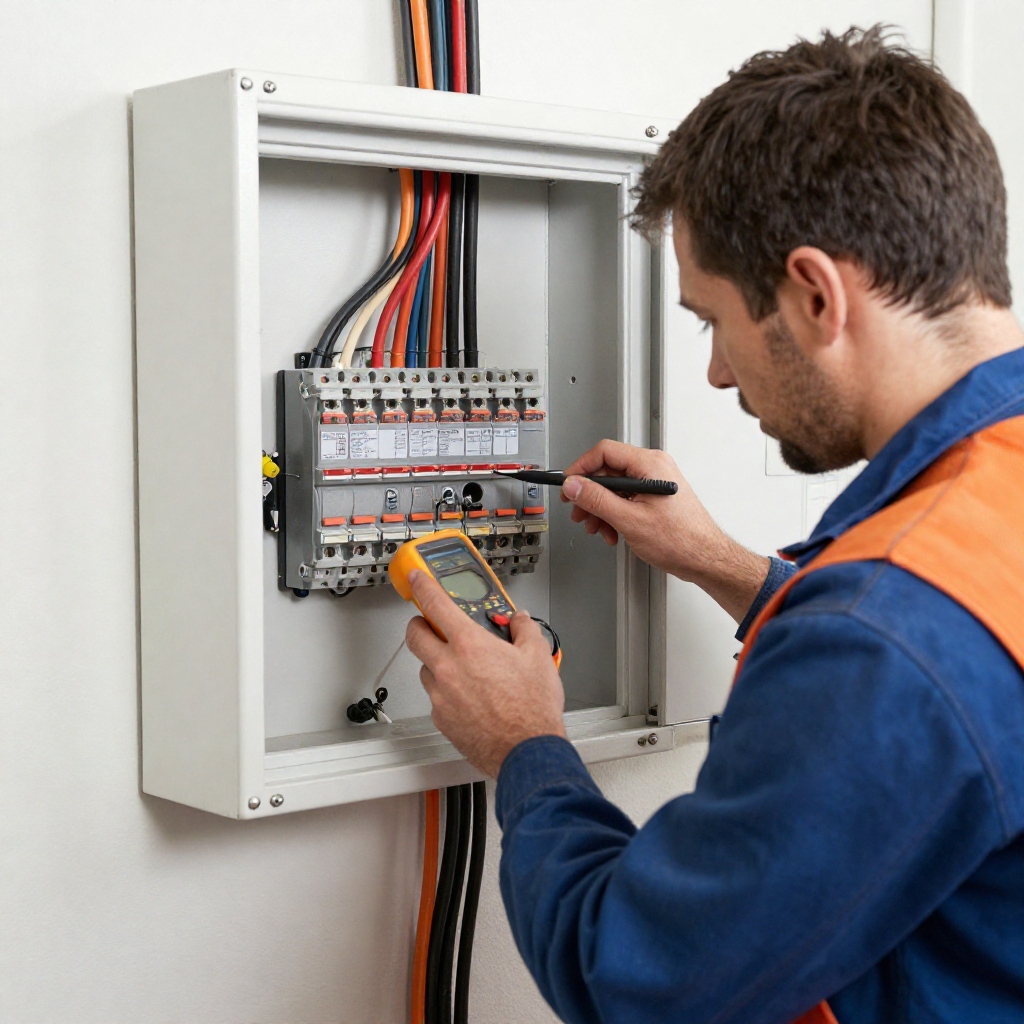
Introduction to Fault Finding
Electrical systems are an essential part of every home, office, and commercial building. When everything works properly, we often take electricity for granted. However, when problems start appearing, it can quickly become stressful and even dangerous. This is where fault find becomes extremely important.
Fault find is the process of identifying, diagnosing, and fixing electrical issues within a system. These issues may be hidden inside wiring, sockets, switches, appliances, or fuse boards. Without proper inspection, small electrical faults can grow into serious hazards such as electric shocks, power failures, or even fire risks.
In modern properties, electrical systems are more complex than ever. That is why professional fault finding services are essential to ensure safety, reliability, and long-term performance.
What is Fault Finding?
Fault finding is a structured electrical process used to detect problems in a system. Instead of guessing or replacing parts randomly, electricians follow a step-by-step method to locate the exact cause of the issue.
Electrical faults can occur in many areas:
-
Wiring circuits
-
Plug sockets
-
Lighting systems
-
Electrical appliances
-
Consumer units (fuse boxes)
The main goal of fault find is to identify the root cause of electrical failure and fix it safely without causing further damage.
Why Fault Finding is Important
Electrical problems are not always visible. Sometimes a system may look normal but still have hidden dangers. Regular fault finding helps prevent these risks before they become serious.
One of the biggest reasons fault diagnosisis important is safety. Faulty wiring or overloaded circuits can lead to electric shocks or fires. Early detection helps eliminate these dangers.
Another important reason is equipment protection. Electrical faults can damage expensive appliances such as refrigerators, computers, and industrial machines. Proper fault diagnosis ensures that your devices remain safe and functional.
It also improves efficiency. A faulty system often consumes more electricity or works inefficiently. By fixing issues early, fault finding helps reduce energy waste.
Common Electrical Problems Identified in Fault Finding
During professional fault finding, electricians often detect a variety of common issues.
One of the most frequent problems is circuit overload. This happens when too many devices are connected to one circuit, causing it to trip repeatedly.
Another common issue is faulty wiring. Over time, wires can become damaged, loose, or corroded. This can cause flickering lights, power loss, or overheating.
Dead sockets are also a common complaint. In many cases, fault finding reveals internal wiring failure or connection issues.
Flickering lights often indicate voltage instability or loose connections. These small signs are often early warnings of bigger electrical problems.
Signs You Need Fault Finding Services
There are several warning signs that indicate you may need professional fault finding services.
Frequent tripping of circuit breakers is one of the clearest signs. If your fuse box keeps switching off, there is likely an underlying electrical fault.
Burning smells near sockets or switches are another serious warning sign. This may indicate overheating wires, which require immediate attention.
Electric shocks from appliances or metal surfaces are also dangerous indicators of faulty grounding or wiring issues.
Dimming or flickering lights, especially when using multiple appliances, often signal overloaded circuits.
If you notice any of these issues, immediate fault finding is essential to avoid further damage.
The Process of Fault Finding
Professional fault finding follows a systematic approach to ensure accuracy and safety.
First, the electrician performs a visual inspection of the electrical system. This helps identify obvious signs of damage, such as burnt sockets or loose wires.
Next, specialized testing equipment is used. Tools like multimeters, insulation testers, and circuit analyzers help measure voltage, resistance, and continuity.
After testing, the electrician isolates different circuits to locate the exact source of the fault.
Once the problem is identified, repairs are carried out safely. This may involve rewiring, replacing components, or tightening connections.
Finally, the system is tested again to ensure everything is working correctly.
Tools Used in Fault Finding
Modern fault finding relies on advanced electrical tools to ensure accuracy and safety.
A multimeter is one of the most common tools. It measures voltage, current, and resistance in electrical circuits.
An insulation resistance tester checks whether wires are properly insulated or damaged.
Circuit testers help identify broken or faulty connections within a system.
Clamp meters are used to measure current flow without disconnecting wires.
These tools make fault finding faster, safer, and more precise.
Causes of Electrical Faults
There are many reasons why electrical faults occur in homes and businesses.
One major cause is aging wiring systems. Over time, insulation breaks down, increasing the risk of short circuits.
Moisture is another common cause. Water entering electrical systems can lead to corrosion and dangerous faults.
Poor installation is also a major issue. Incorrect wiring during construction can lead to long-term electrical problems.
Overloading circuits is another frequent cause. Modern households use more electrical devices than older systems were designed for.
All these factors make regular fault finding necessary.
Fault Findings in Residential Properties
In homes, fault finding is commonly needed when electrical systems become unstable or unsafe.
Homeowners often experience issues like flickering lights, tripping breakers, or faulty sockets. These problems may seem small but can indicate deeper wiring issues.
Professional electricians carefully inspect home systems to ensure everything is safe and functioning properly.
Residential fault finding is especially important in older homes where wiring may not meet modern safety standards.
Fault Finding in Commercial Properties
Commercial buildings have more complex electrical systems compared to residential properties. Offices, shops, and industrial units rely heavily on continuous power supply.
Even a small electrical fault can disrupt business operations and cause financial losses.
That is why fault finding in commercial properties must be fast, accurate, and professional.
Electricians often work outside business hours to minimize disruption while ensuring safety and compliance.
Risks of Ignoring Electrical Faults
Ignoring electrical issues can lead to serious consequences.
One of the biggest risks is fire. Faulty wiring can overheat and ignite surrounding materials.
Electric shocks are another major danger. Faults in grounding or insulation can expose users to live electricity.
Equipment damage is also common. Power surges caused by faults can destroy expensive electronics.
In severe cases, electrical faults can even lead to fatal accidents.
That is why timely fault finding is essential.
Benefits of Professional Fault Finding
Hiring a professional for fault diagnosis offers many benefits.
It ensures accurate diagnosis of electrical problems without guesswork.
It improves safety by eliminating hidden risks in the system.
It saves money by preventing costly repairs and equipment damage.
It also ensures compliance with UK electrical safety regulations.
Most importantly, professional fault finding provides peace of mind knowing your system is safe.
Preventing Electrical Faults
While fault diagnosis helps fix problems, prevention is always better.
Regular electrical inspections can help detect issues early.
Avoid overloading sockets and extension leads.
Keep electrical systems dry and well-maintained.
Upgrade old wiring systems when needed.
These simple steps reduce the risk of future faults.
When to Call a Fault Finding Electrician
You should call a professional electrician immediately if you notice:
-
Frequent power cuts
-
Burning smell from sockets
-
Electric shocks
-
Persistent tripping circuits
-
Unstable lightingThese are clear signs that fault finding is urgently required.
Conclusion
Electrical systems are complex and require proper care to remain safe and efficient. Fault findings plays a critical role in identifying hidden issues before they turn into serious hazards.
Whether it is a home or commercial property, timely electrical diagnosis ensures safety, reduces risks, and improves performance. Ignoring electrical problems can lead to costly damage or dangerous situations.
By investing in professional fault findings, you protect your property, your equipment, and most importantly, the people who rely on your electrical system every day.
For checking electrical safety standards and ensuring your work meets UK regulations, you can refer to the official NAPIT guidance here:
click here

Leave a Reply