Introduction
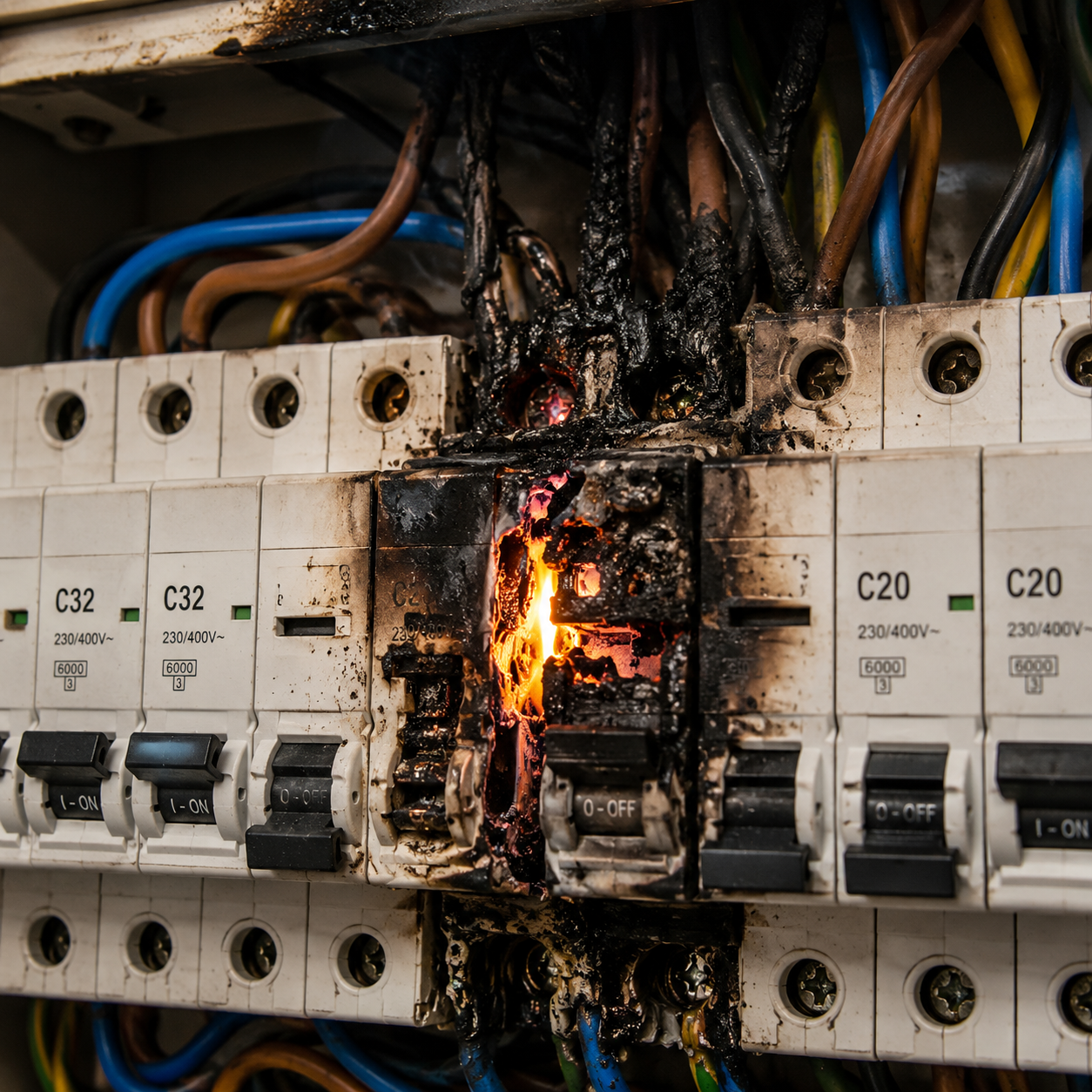
A Burning Smell coming from electrical sockets, switches, or wiring is one of the most important warning signs you should never ignore. It usually indicates overheating, loose connections, or electrical faults that can become dangerous very quickly.
In many homes, people notice a slight burning smell and assume it is normal or temporary. However, this is often the first sign of a serious electrical issue hidden inside the wall or socket. If not handled in time, a Burning Smell can lead to melted wiring, damaged appliances, or even electrical fires.
This guide explains the causes, risks, and solutions in simple language so anyone can understand and take the right action.
Burning Smell from Electrical Sockets: What Causes It?
A Burning Smell from electrical sockets usually happens when electricity cannot flow properly through the wiring system. This resistance creates heat, which slowly damages the internal components.
Common causes include loose wiring connections, overloaded sockets, damaged insulation, and aging electrical systems. When heat builds up, plastic parts inside the socket may begin to burn or melt, producing a strong smell.
Why Does My Plug Socket Smell Like Burning Plastic?
If your plug socket smells like burning plastic, it usually means the internal insulation is overheating. This is often caused by poor connections or low-quality materials inside the socket.
When plastic overheats, it begins to soften or melt, releasing a noticeable Burning Smell. This is a serious warning that the socket may fail soon and should be checked immediately.
Is a Smell from an Electrical Point Dangerous?
Yes, a Burning Smell from any electrical point is dangerous. It often means that wires or components are overheating, which can quickly lead to fire hazards if ignored.
Even if everything looks fine externally, the damage is often happening inside the wall where it cannot be seen.
What Should I Do If I Smell from a Socket?
If you notice a Burning Smell, you should act immediately. Turn off the main power supply and unplug all devices connected to the socket. Avoid using it again and call a qualified electrician for inspection.
Never try to repair or open the socket yourself unless you are professionally trained.
Can a Faulty Appliance Cause a smell from a Socket?
Yes, a faulty appliance can easily cause a Smell. Devices like heaters, irons, kettles, and chargers can overheat if they are damaged or low quality.
When these appliances draw too much power or have internal faults, they can transfer heat to the socket and cause damage.
Why Does My Extension Lead Smell Like Burning?
Extension leads often produce a Smell when they are overloaded or used incorrectly. This usually happens when too many devices are plugged in or when high-power appliances are used together.
Extension leads are not designed for heavy loads, and using them incorrectly increases the risk of overheating.
Can Overloaded Sockets Cause a Burning Smell?
Yes, overloaded sockets are one of the most common causes of a Burning Smell. When too many devices are connected, the socket carries more current than it is designed for, leading to heat buildup and damage.
Is It Safe to Use a Socket That Smells Burnt?
No, it is not safe. A socket that produces a Burning may already be damaged inside. Even if it still works, continued use can lead to electrical fires or complete failure of the socket.
What Are the Early Warning Signs of Burning Electrical Point?
Before a strong Smell develops, you may notice early warning signs such as warm sockets, flickering lights, buzzing sounds, discoloration, or intermittent power loss. These signs indicate that something is wrong inside the system.
Can Loose Wiring Cause a Smell?
Yes, loose wiring is a major cause of a Burning Smell. When wires are not tightly connected, electricity struggles to flow smoothly, creating resistance, heat, and sometimes sparks.
What Is Electrical Arcing in Sockets?
Electrical arcing happens when electricity jumps across a gap between loose or damaged connections. This creates intense heat and is often responsible for a Burning Smell along with possible sparks or crackling sounds.
Why Does My Switch Smell Like Burning?
A switch may produce a Burning Smell due to worn-out internal contacts or overheating caused by frequent use. Poor-quality switches are also more likely to fail and produce heat.
Can Old Wiring Cause Smell Issues?
Yes, old wiring is a major cause of electrical faults. Older systems were not designed for modern power usage and may struggle under load, leading to overheating and a Burning Smell.
Why Does the Smell Come and Go from a Socket?
A Burning Smell that comes and goes usually indicates an intermittent fault. This often happens when loose wiring heats up only under certain electrical loads.
Can Moisture Cause a Smell in Electrical Points?
Yes, moisture can create short circuits and overheating inside electrical systems. This can produce a Burning Smell, especially in damp environments like kitchens or bathrooms.
Which Appliances Commonly Cause Socket Overheating?
High-power appliances often linked with a Burning Smell include electric heaters, microwaves, air conditioners, washing machines, and irons. These devices draw high electrical current and can overload weak circuits.
Can a Circuit Breaker Prevent Smell Problems?
Problems?
Circuit breakers help protect against overloads, but they may not always detect early-stage faults that cause a Burning Smell. Some issues develop before the breaker reacts.
Why Does My Socket Feel Hot and Smells Burnt?
A hot socket combined with a Burning Smell usually indicates internal resistance or overload. This is a clear sign that the electrical system is under stress.
Is Burning Smells from Wiring an Emergency?
Yes, any Smell from wiring should be treated as an emergency. It can quickly escalate into a fire hazard if not addressed immediately.
Can Damaged Insulation Inside Walls Cause Burning Smell?
Yes, damaged insulation inside walls can trap heat and create a Smell without visible signs. This makes it one of the most dangerous hidden electrical faults.
Why Does a Burning Smells Happen Only When I Use Certain Devices?
If a Burning appears only with certain devices, it usually means those appliances are drawing more power than the circuit can safely handle.
Can Cheap or Low-Quality Plugs Cause Burning Smell?
Yes, low-quality plugs can overheat quickly due to poor materials and weak electrical contact. This can lead to a Burning Smell and damage both plug and socket.
How Do Electricians Detect Burning Smells Faults Inside Walls?
Electricians use advanced tools such as thermal imaging cameras, circuit testers, and inspection equipment to locate hidden faults that cause a Smell.
For safety standards and certified guidance, you can refer to NAPIT, a trusted UK electrical safety organization: https://www.napit.org.uk
Can Repeated Tripping of Power Be Linked to smell?
Yes, repeated tripping is often linked to underlying electrical faults that also produce a Smell. This may be caused by overloads, short circuits, or damaged wiring.
Conclusion
A Burning Smell from electrical points is always a warning sign that something is wrong. Whether it is caused by loose wiring, overloaded sockets, faulty appliances, or old installations, it should never be ignored.
Early action can prevent serious damage and reduce the risk of electrical fires. Always switch off the power and contact a qualified electrician for inspection and repair. Regular maintenance and safe usage of electrical systems are essential to keeping your home and workplace safe.
Need reliable electrical solutions? Click here to explore our full range of services.
Leave a Reply