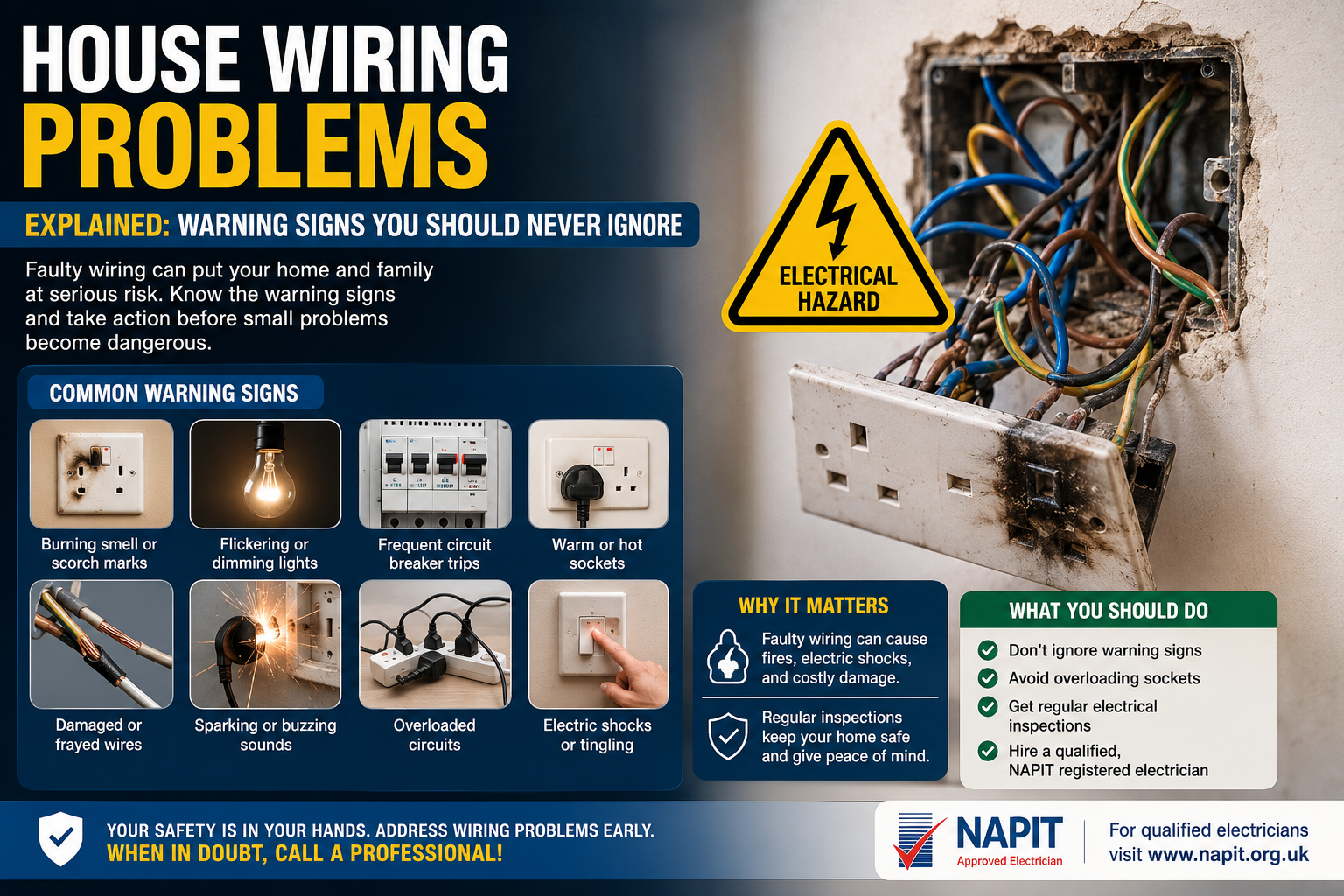
1. What are the most common house wiring problems found in homes?
Many homeowners experience electrical issues caused by ageing systems, damaged components, or incorrect installations.
Many homeowners experience common house wiring problems such as loose connections, old or damaged cables, overloaded circuits, worn-out insulation, faulty switches, and incorrect electrical installations. These issues can affect safety, reduce system efficiency, and may require professional attention to prevent future electrical risks.
Older properties may also have wiring systems that were designed for lower electricity usage. As modern homes rely on more appliances, heating systems, and smart devices, older wiring can struggle to handle increased demand.
Other common issues include frequent power interruptions, flickering lights, burning smells, and sockets that become unusually warm. These signs should not be ignored because they may indicate a deeper electrical fault.
2. How can I tell if my home has
electrical wiring?
Faulty wiring is not always visible because most electrical cables are hidden behind walls and ceilings. However, homeowners can often spot early electrical issues by paying attention to a few important warning signs.
Common indicators include:
- Flickering or dimming lights
- Frequent circuit breaker trips
- Burning smells near sockets
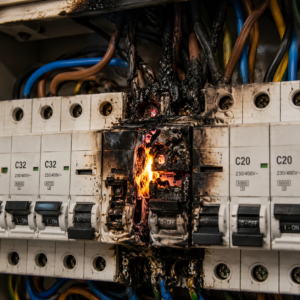
A burning smell from electrical points is a serious warning sign that should never be ignored. - Buzzing sounds from electrical points
- Sparks when plugging in devices
- Warm or damaged outlets
- Unexpected electric shocks
If you notice these symptoms, it is important to arrange an inspection from a qualified electrician. Early detection can prevent small faults from becoming major safety hazards.
3. What are the warning signs of dangerous house wiring problems?
Dangerous electrical faults often provide warning signs before they become serious. Recognising these signs can help protect your home and family.
Some major warning signs include:
- Burning odours from switches or sockets
- Black marks around outlets
- Repeated fuse or breaker failures
- Exposed or damaged wires
- Crackling noises from electrical points
- Electrical shocks when touching appliances
Ignoring these problems can increase the risk of electrical fires and equipment damage. Professional assessment is the safest way to identify and repair serious faults.
4. Why do my lights flicker when I turn on electrical appliances?
Lights that flicker when appliances start running are often linked to electrical supply issues. High-power devices such as ovens, washing machines, heaters, and dryers can place additional pressure on household circuits.
Possible causes include:
- Overloaded circuits
Overloaded circuits are one of the most common electrical problems in homes and businesses. Frequent fuse trips, flickering lights, buzzing sockets, and hot plugs may all be warning signs that your electrical system is under too much pressure. Learn how overloaded circuits happen, the dangers they can cause, and simple ways to keep your property safe and powered efficiently. - Loose electrical connections
- Poor wiring design
- Problems with the electrical supply
Occasional minor flickering may not always indicate a serious issue, but regular flickering should be checked. Persistent problems may suggest underlying house wiring problems that require professional attention.
5. Can old wiring cause electrical problems in modern homes?
Yes, old wiring can create several problems in modern properties. Electrical systems installed many years ago were not designed for today’s level of electricity consumption.
Modern homes often use multiple high-demand devices, including:
- Smart appliances
- Electric heating systems
- Entertainment equipment
- Home office technology
Older cables may become damaged over time or may not provide enough capacity for current needs. Upgrading outdated wiring improves safety, reliability, and energy efficiency.
6. How often should house wiring be inspected by a professional electrician?
The frequency of electrical inspections depends on the age and condition of the property. Many homeowners arrange inspections when buying an older home, experiencing electrical issues, or making major renovations.
Regular inspections are especially important for:
- Older properties
- Rental homes
- Homes with previous electrical modifications
- Properties with frequent electrical faults
A professional inspection can identify hidden house wiring problems before they develop into dangerous situations.
7. What causes electrical sockets to become hot or discoloured?
Electrical sockets should normally remain cool during use. A hot, melted, or discoloured socket usually indicates an underlying electrical problem.
Common causes include:
- Loose connections
- Overloaded outlets
- Faulty wiring
⚡ “Faulty wiring can turn hidden problems into serious dangers—stay alert, stay safe, and protect your home from electrical risks.” - Damaged socket components
- Poor installation
A damaged socket can create excessive heat, which may damage surrounding materials and increase fire risk. Any unusual heat or discolouration should be inspected by an electrician.
8. Why does my circuit breaker keep tripping repeatedly?
A circuit breaker trips to protect your home from electrical dangers. If it keeps switching off, there is usually an issue that needs investigation.
Possible causes include:
- Too many appliances on one circuit
- Faulty electrical devices
- Short circuits
- Damaged wiring
- Electrical overload
Constantly resetting the breaker without finding the cause can allow the problem to continue. A qualified electrician can identify the reason and provide a safe solution.
9. Can faulty wiring increase the risk of an electrical fire?
Yes, faulty wiring is one of the major causes of electrical fires. Damaged insulation, loose connections, and overheating cables can create excessive heat inside walls or electrical components.
Electrical fires may occur when:
- Wires become overloaded
- Connections become loose
- Cables deteriorate with age
- Incorrect repairs are carried out
Regular maintenance and professional inspections help reduce these risks and keep electrical systems safe.
10. How do I know if my house needs complete rewiring?
A property may require rewiring if the electrical system is outdated, unsafe, or unable to meet modern requirements.
Signs that rewiring may be needed include:
- Very old electrical cables
- Frequent electrical failures
- Lack of modern safety features
- Damaged wiring insulation
- Old fuse boxes
- Multiple previous electrical repairs
A qualified electrician can assess the condition of your system and recommend whether partial repairs or complete rewiring is necessary.
11. What are the dangers of ignoring house wiring problems?
Neglecting electrical problems can result in serious safety risks and costly damage over time.
. Small faults can become larger problems if they are not repaired correctly.
Possible risks include:
- Electrical fires
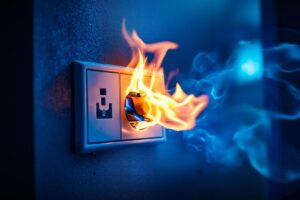
Electrical fire prevention starts with simple habits—safe wiring, no overloads, and regular checks to keep your home protected. - Damage to appliances
- Electric shocks
- Power failures
- Expensive future repairs
Addressing house wiring problems early is a safer and more cost-effective approach than waiting until a major failure occurs.
12. Why do my electrical outlets make buzzing or crackling sounds?
Electrical outlets should operate silently. Buzzing, humming, or crackling noises may indicate a problem with the electrical connection.
Possible causes include:
- Loose wiring connections
- Faulty outlets
- Damaged components
- Electrical arcing
These sounds should never be ignored because electrical arcing can generate heat and increase the risk of fire.
13. Is DIY electrical wiring safe for homeowners?
DIY electrical work can be extremely dangerous if someone does not have proper training and knowledge. Incorrect wiring can create hidden hazards that may not appear immediately.
Risks of DIY electrical work include:
- Electric shocks
- Incorrect connections
- Fire hazards
- Damage to electrical equipment
- Safety regulation issues
Electrical installations and repairs should always be completed by qualified professionals who understand safety standards.
14. How much does it cost to fix common house wiring problems?
The cost of repairing electrical issues depends on the type of fault, the size of the property, and the complexity of the work required.
Simple repairs may involve replacing damaged sockets or fixing connections, while larger projects such as rewiring can require more extensive work.
Factors affecting cost include:
- Age of the electrical system
- Amount of damaged wiring
- Required upgrades
- Labour involved
Getting a professional assessment is the best way to understand the exact repair requirements.
15. What causes electrical shocks when touching switches or appliances?
Receiving a small electric shock when touching switches, sockets, or appliances is not normal and should never be ignored. This issue may happen because of faulty grounding, damaged insulation, incorrect wiring connections, or moisture affecting electrical components.
Many House Wiring Problems develop slowly and may only become noticeable when users experience unusual electrical sensations. Even a minor shock can indicate a serious safety issue that requires professional inspection.
A qualified electrician can test the electrical system, identify the source of the fault, and ensure the home has proper protection against electric shocks.
16. How can I check if my home wiring is outdated?
Homeowners can look for several signs that suggest an electrical system may be outdated. Older properties often have wiring that was installed before modern electrical demands became common.
Common indicators include:
- Old fuse boxes
- Limited electrical outlets
- Frequent power interruptions
- Fabric-covered or damaged cables
- Lack of modern safety devices
- Repeated electrical repairs
If your home shows these signs, arranging an electrical inspection can help identify potential House Wiring Problems before they become dangerous.
17. Are older houses more likely to have electrical wiring problems?
Yes, older houses are generally more likely to experience electrical faults because their wiring systems may not meet modern energy demands.
Many older properties were built when households used fewer electrical devices. Today, homes rely on multiple appliances, computers, heating systems, and smart technology, placing greater pressure on electrical circuits.
Ageing cables, outdated components, and previous unsafe modifications can contribute to House Wiring Problems in older properties. A professional assessment can determine whether repairs or upgrades are required.
18. What should I do if I smell burning near electrical sockets?
A burning smell near an electrical socket is a serious warning sign. It may indicate overheating wires, damaged insulation, loose connections, or an overloaded circuit.
If you notice a burning smell:
- Stop using the affected socket
- Turn off power if it is safe to do so
- Avoid touching damaged components
- Contact a qualified electrician
Ignoring this warning sign can allow small House Wiring Problems to develop into electrical fires.
19. Can overloaded circuits damage house wiring?
Yes, overloaded circuits can damage electrical systems over time. When too many appliances draw power from the same circuit, cables can become overheated.
Continuous overheating may weaken insulation and damage internal wiring. This can increase the chances of electrical faults, short circuits, and safety risks.
Common causes of circuit overload include:
- Using multiple high-power appliances together
- Too many devices connected to one outlet
- Poor electrical planning
- Outdated circuit systems
Preventing overloads is an important step in avoiding House Wiring Problems.
20. How do damaged wires affect home electrical safety?
Damaged wires can create serious safety hazards because they may expose live electrical parts or allow electricity to escape.
Wire damage can happen due to:
- Age deterioration
- Rodent damage
- Accidental drilling
- Heat exposure
- Poor installation
Damaged wiring may cause electric shocks, power failures, appliance damage, or fires. Professional repairs are necessary to restore safety and prevent further House Wiring Problems.
21. What are the signs of poor electrical installation?
Poor electrical installation can create hidden risks that may appear months or years later. Incorrect connections or unsuitable materials can reduce the safety and reliability of an electrical system.
Signs of poor installation include:
- Loose sockets
- Uneven power supply
- Exposed cables
- Incorrectly fitted switches
- Frequent electrical failures
- Unusual noises from outlets
Professional installation helps prevent these issues and reduces the likelihood of future House Wiring Problems.
22. Why do lights dim when multiple appliances are running?
Lights may dim when several appliances operate because the electrical system is struggling to handle the increased demand.
Possible reasons include:
- Overloaded circuits
- Weak electrical connections
- Outdated wiring
- Insufficient power distribution
If dimming happens regularly, it may indicate underlying House Wiring Problems that require inspection. Ignoring the issue can place extra stress on electrical components.
23. How can moisture damage electrical wiring?
Moisture is one of the biggest threats to electrical systems. Water exposure can damage insulation, create corrosion, and increase the risk of electrical faults.
Moisture-related wiring issues can occur because of:
- Roof leaks
- Plumbing problems
- Flooding
- Damp walls
- Outdoor electrical exposure
Wet wiring can become extremely dangerous because water increases the chance of electric shocks and short circuits. Professional repairs are needed to fix moisture-related House Wiring Problems safely.
24. What happens if electrical wiring insulation becomes damaged?
Electrical insulation protects people from contact with live wires. When insulation becomes cracked, worn, or damaged, it can expose the electrical system to serious risks.
Damaged insulation may lead to:
- Electric shocks
- Short circuits
- Overheating
- Electrical fires
This type of damage is one of the more serious House Wiring Problems because the fault may remain hidden inside walls until a major issue occurs.
25. When should I call an electrician for wiring issues?
You should contact a qualified electrician whenever you notice signs that suggest electrical problems.
Professional help is recommended if you experience:
- Burning smells
- Sparks from outlets
- Frequent breaker trips
- Electrical shocks
- Damaged cables
- Buzzing sounds
Trying to repair complex electrical faults without training can increase risks. Early professional support can prevent serious House Wiring Problems and improve home safety.
26. Can faulty wiring reduce the efficiency of electrical appliances?
Yes, faulty wiring can affect how efficiently electrical appliances operate. Poor connections, unstable power supply, or damaged circuits can prevent appliances from receiving consistent electricity.
Possible effects include:
- Reduced performance
- Unexpected shutdowns
- Shorter appliance lifespan
- Increased energy consumption
Fixing House Wiring Problems can help protect expensive appliances and maintain a more reliable electrical system.
27. What electrical safety checks should homeowners perform regularly?
Regular safety checks help homeowners identify early warning signs before they become serious faults.
Important checks include:
- Looking for damaged sockets
- Checking for unusual smells
- Monitoring frequent breaker trips
- Inspecting visible cables
- Avoiding overloaded outlets
- Testing safety devices
While basic checks are useful, professional inspections are still necessary to identify hidden House Wiring Problems that cannot be seen easily.
28. How do electricians find hidden wiring problems inside walls?
Electricians use specialised tools and testing equipment to locate electrical faults without causing unnecessary damage.
They may use:
- Electrical testing meters
- Circuit testers
- Thermal imaging cameras
- Wiring inspection equipment
These tools help identify overheating areas, damaged connections, and hidden faults. Professional testing is especially useful when House Wiring Problems are suspected but no visible signs are present.
29. What causes loose electrical connections in a house?
Loose electrical connections are one of the most common causes of electrical faults in homes. They can develop due to ageing components, poor installation, vibrations, or regular use of switches and sockets over many years.
Loose connections may cause:
- Flickering lights
- Buzzing noises
- Overheating sockets
- Burning smells
- Intermittent power failures
These issues can become dangerous because loose connections create resistance, which produces heat. Professional inspection can identify and repair these House Wiring Problems before they lead to serious damage.
30. How can homeowners prevent future house wiring problems?
Preventing electrical issues requires regular maintenance, careful appliance use, and professional inspections when needed.
Homeowners can reduce the risk of wiring faults by:
- Avoiding overloaded sockets
- Replacing damaged cables immediately
- Scheduling electrical inspections
- Using qualified electricians
- Keeping electrical areas dry
- Upgrading outdated systems
Good electrical habits can extend the life of your system and help prevent unexpected House Wiring Problems.
31. Is rewiring necessary for every old property?
No, not every old property requires complete rewiring. The condition of the electrical system is more important than the age of the building alone.
An electrician will assess factors such as:
- Condition of existing cables
- Safety features
- Previous electrical work
- Circuit capacity
- Compliance with current standards
Some older homes may only need specific upgrades, while others may require full rewiring to resolve serious House Wiring Problems.
32. What are the risks of using damaged electrical cables?
Damaged cables can create serious safety hazards because they may expose live wires or allow electrical current to escape.
Using damaged cables can result in:
- Electric shocks
- Short circuits
- Overheating
- Appliance damage
- Electrical fires
Cables should be replaced or repaired by a qualified professional. Ignoring damaged wiring can allow small faults to develop into major House Wiring Problems.
33. How do I know if my fuse box or consumer unit needs upgrading?
Older fuse boxes may not provide the same level of protection as modern consumer units. Upgrading may be recommended if your electrical system lacks important safety features.
Signs that an upgrade may be needed include:
- Old-style fuse boxes
- Frequent electrical trips
- Limited circuit protection
- Property renovations
- Outdated safety devices
A modern consumer unit can improve electrical safety and help reduce the risk of future House Wiring Problems.
34. Can house wiring problems affect smart home devices?
Yes, unstable or faulty wiring can affect the performance of smart home technology. Devices such as smart lighting, security systems, and automated appliances require a reliable electrical supply.
Faulty wiring may cause:
- Device connection problems
- Unexpected shutdowns
- Reduced performance
- Damage to electronic components
Before installing advanced technology, homeowners should ensure their electrical system is safe and capable of handling modern demands.
35. What are the most dangerous electrical faults homeowners should avoid?
Some electrical faults create a much higher safety risk and require immediate attention.
The most dangerous issues include:
- Exposed live wires
- Burning smells
- Electrical sparks
- Damaged insulation
- Overheated sockets
- Repeated circuit failures
These signs often indicate serious House Wiring Problems that should be inspected by a qualified electrician as soon as possible.
36. How long does house wiring normally last?
The lifespan of electrical wiring depends on the quality of installation, materials used, environmental conditions, and how heavily the system is used.
Well-installed wiring can last for many years, but it still requires regular inspection to ensure it remains safe.
Factors that reduce wiring lifespan include:
- Moisture exposure
- Overloading
- Physical damage
- Poor repairs
- Age-related deterioration
Regular checks help identify ageing components before they create House Wiring Problems.
37. What signs indicate that electrical wiring needs immediate attention?
Some electrical warning signs require quick action because they may indicate an immediate safety risk.
These include:
- Burning odours
- Smoke from electrical points
- Sparks
- Electric shocks
- Hot sockets
- Sudden power failures
When these signs appear, homeowners should avoid using the affected area and contact a professional electrician. Quick action can prevent dangerous House Wiring Problems from becoming emergencies.
38. Why do electrical switches feel warm when used?
A slightly warm switch may occur in some situations, but a switch that feels hot should not be ignored.
Possible causes include:
- Loose connections
- Overloaded circuits
- Faulty switches
- Poor installation
- Internal damage
Heat around switches can indicate that electrical components are working under unsafe conditions. Professional inspection can identify the cause and prevent further House Wiring Problems.
39. Can poor wiring affect home insurance or property value?
Yes, poor electrical systems can affect both property value and insurance considerations. Buyers often want confidence that a home’s electrical installation is safe and properly maintained.
Electrical issues may create concerns because they can:
- Reduce buyer confidence
- Require expensive repairs
- Delay property sales
- Increase safety risks
Maintaining a safe electrical system and fixing House Wiring Problems can help protect your investment.
40. What professional checks can identify hidden electrical dangers in a home?
Professional electricians use detailed testing methods to discover electrical issues that are not visible during normal checks.
Common professional assessments include:
- Electrical installation inspections
- Circuit testing
- Wiring condition checks
- Safety device testing
- Fault detection
- Consumer unit assessments
These checks help identify hidden House Wiring Problems and ensure the electrical system operates safely.
Q: Why should I choose a NAPIT approved electrician for house wiring problems?

Conclusion
Electrical systems are one of the most important parts of any modern property, but they can become unsafe when problems are ignored. From flickering lights and damaged sockets to outdated cables and overloaded circuits, small warning signs can often indicate larger issues.
Understanding common House Wiring Problems helps homeowners recognise risks early and take the right action before faults become dangerous. Regular inspections, professional repairs, and responsible electrical use can improve safety and protect your home from unexpected electrical failures.
If you notice unusual electrical behaviour, such as burning smells, repeated breaker trips, buzzing sounds, or damaged outlets, it is always better to seek professional advice rather than ignore the problem. A safe electrical system provides peace of mind and helps ensure your home remains reliable for years to come.
Leave a Reply