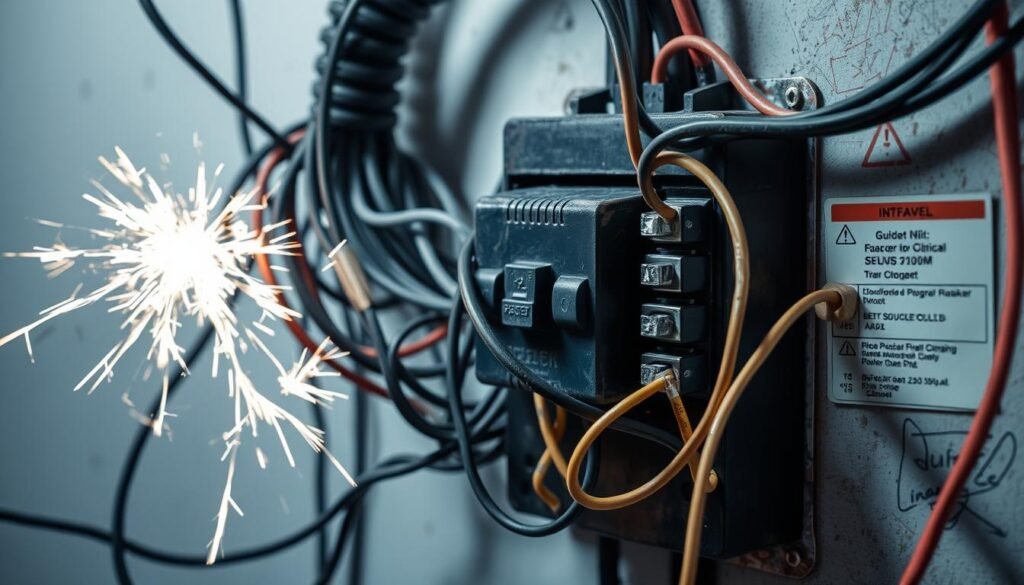
Electrical problems are one of the most common issues homeowners face in the UK. Among them, overloaded circuits are a major cause of power interruptions, fuse board tripping, damaged appliances, and even electrical fires. Many people do not realise that plugging too many devices into one socket or using several high-power appliances together can place dangerous pressure on their electrical system.
Modern homes use far more electricity than older properties were originally designed for. Today, households rely on televisions, gaming systems, kitchen appliances, internet routers, smart home devices, washing machines, chargers, and heating systems all at the same time. When too much electrical demand is placed on a single circuit, problems begin to appear.
Understanding the warning signs and causes of overloaded circuits can help you protect your home, avoid expensive repairs, and reduce electrical safety risks. This guide explains everything in simple language so homeowners can understand how electrical overload happens and what steps should be taken to prevent it.
Table of content
ToggleWhat is an overloaded circuit?
An overloaded circuit happens when more electricity flows through a circuit than it was designed to handle safely. Every electrical circuit in a home has a maximum capacity. When too many devices or high-power appliances are connected at the same time, the circuit becomes overloaded.
Your electrical system includes safety devices such as breakers or fuses designed to protect your home. If the electrical demand becomes too high, the fuse board trips automatically to stop overheating and reduce the risk of fire.
This protection system is extremely important because overloaded wiring can become dangerously hot if left unchecked.
What causes overloaded circuits?
There are several common causes of electrical overload in homes and commercial properties.
One major reason is connecting too many appliances to a single socket or extension lead. High-power devices such as kettles, heaters, microwaves, and washing machines use large amounts of electricity. Running several of these appliances together on the same circuit can quickly create problems.
Older electrical systems are another common issue. Many older homes in the UK were not designed for modern electricity usage. Years ago, homes had fewer appliances and lower energy demands. Today, modern households rely heavily on electrical devices throughout the day.
Faulty wiring can also increase the chance of overload. Loose or damaged wiring creates resistance inside the circuit, making the electrical system work harder than normal.
Poor-quality extension leads and adapters are another common factor. Cheap extension leads may not safely handle heavy electrical loads for long periods.
Are overloaded circuits dangerous?
Yes, overloaded circuits can become extremely dangerous if ignored.
One of the biggest risks is overheating. When wires carry more electricity than they are designed for, heat builds up inside the cables, sockets, and plugs. Over time, this heat can damage insulation and create fire hazards.
Electrical overload may also damage expensive appliances and electronics. Sensitive devices such as computers, televisions, internet routers, and gaming systems can suffer from unstable electrical supply.
Repeated overload can weaken your electrical system and create long-term safety problems inside walls, sockets, and fuse boards.
According to NAPIT Electrical Safety Advice, recurring electrical faults should always be inspected by qualified electricians to ensure homes remain safe and compliant with UK electrical standards.
What are signs of an overloaded circuit?
Recognising early warning signs is very important.
Common signs include:
- Frequent fuse board tripping
- Flickering or dimming lights
- Warm sockets or plugs
- Buzzing sounds from outlets
- Burning smells near electrical points
- Sparks from sockets
- Appliances losing power suddenly
If you notice several of these signs together, your electrical system may already be under dangerous pressure.
Why does my fuse board trip when I use appliances?
Fuse boards are designed to protect your home from electrical overload and faults.
If the fuse board trips every time you use a particular appliance, the issue may be caused by:
- Too much electrical demand
- A faulty appliance
- Damaged wiring
- A weak circuit
High-power appliances often place extra stress on older electrical systems.
Can overloaded circuits cause power outages?
Yes, overloaded circuits are a common cause of local power outages inside homes.
When a circuit becomes overloaded, the breaker trips automatically to stop electricity flow. This cuts power to certain rooms or sometimes the entire property.
Although it may feel inconvenient, this safety feature helps prevent overheating and electrical fires.
Can extension leads overload a circuit?
Yes, extension leads are one of the most common causes of overload problems.
Many people plug several devices into one extension lead without realising how much electricity those appliances are using together.
Using heaters, kettles, microwaves, or air fryers on one extension lead can become very dangerous.
Cheap or damaged extension leads increase the risk even further because they may not have proper overload protection.
What appliances commonly overload circuits?
Some household appliances use much more electricity than others.
Common high-power appliances include:
- Electric heaters
- Kettles
- Washing machines
- Dishwashers
- Microwaves
- Air fryers
- Tumble dryers
- Electric ovens
Running several of these devices together on one circuit can easily create overload conditions.
Can overloaded circuits cause electrical fires?
Yes, overloaded circuits are one of the leading causes of electrical fires.
When wiring overheats repeatedly, insulation around the wires can melt or become damaged. This exposes live wires and increases the risk of sparks or fire.
Warm sockets, burning smells, and buzzing sounds should never be ignored because they may indicate overheating inside the electrical system.
Why do my lights dim when appliances turn on?
Lights dimming when appliances start is often a sign of heavy electrical demand.
Large appliances such as heaters or washing machines require more electricity when they first start operating. If the circuit struggles to handle the demand, lights may temporarily dim.
Occasional dimming may not always be serious, but repeated dimming can indicate overloaded circuits or wiring problems.
Can old wiring increase overload risk?
Yes, old wiring significantly increases the risk of overload problems.
Many older UK homes were designed decades ago when electricity usage was much lower. Modern homes use far more devices than older electrical systems were built to handle.
Old wiring may also suffer from:
- Damaged insulation
- Loose connections
- Heat wear
- Corrosion
This makes the electrical system less efficient and more vulnerable to overload.
How do I prevent overloaded circuits?
Preventing overload problems is easier than many people think.
Here are some simple safety tips:
- Avoid plugging too many appliances into one socket
- Do not overload extension leads
- Spread appliances across different outlets
- Replace damaged sockets or plugs
- Upgrade old wiring systems
- Have electrical inspections regularly
- Use high-quality extension leads with protection features
Good electrical habits can greatly reduce safety risks.
Can overloaded circuits damage appliances?
Yes, overloaded circuits can damage household appliances and electronics.
Unstable electricity flow may shorten the lifespan of devices and cause internal component failure.
Sensitive electronics are especially vulnerable, including:
- Internet routers
- Televisions
- Gaming consoles
- Computers
- Smart home systems
Repeated power interruptions may permanently damage expensive devices.
Why does one room keep losing power?
If only one room loses power repeatedly, the issue may involve a specific circuit.
Possible causes include:
- Too many devices on one circuit
- Faulty sockets
- Damaged wiring
- A faulty appliance connected in that room
An electrician can test the circuit and identify the exact problem safely.
Should I keep resetting a tripped breaker?
No, repeatedly resetting a breaker is not recommended.
Circuit breakers trip for safety reasons. If a breaker keeps tripping, it usually means there is an electrical fault that needs professional attention.
Repeatedly forcing the breaker back on can:
- Increase overheating
- Damage wiring
- Hide serious faults
- Increase fire risks
Always investigate the cause before resetting again.
Can phone chargers overload circuits?
A single phone charger uses very little electricity. However, many chargers and devices connected together may contribute to overload, especially on already stressed circuits.
Cheap or damaged chargers can also create overheating problems.
Can overloaded circuits affect internet routers and electronics?
Yes, overload problems can affect electronics and internet equipment.
Power interruptions and unstable voltage may:
- Restart devices unexpectedly
- Damage internal components
- Reduce lifespan of electronics
- Cause data loss on computers
Using surge protection can help protect sensitive devices.
What does a buzzing socket mean?
A buzzing socket should never be ignored.
Buzzing sounds may indicate:
- Loose wiring
- Electrical arcing
- Overheating
- Internal damage
If a socket buzzes regularly, stop using it immediately and contact an electrician.
Can overloaded circuits melt sockets?
Yes, severe overload can generate enough heat to melt sockets and plugs.
This happens when electrical current exceeds safe limits for extended periods.
Melted sockets are extremely dangerous and should be replaced immediately.
Why are my plugs getting hot?
Warm plugs often indicate electrical stress.
Common causes include:
- Overloaded circuits
- Loose connections
- Faulty plugs
- Damaged sockets
- High-power appliance usage
Plugs should never become excessively hot during normal operation.
Can smart home devices overload circuits?
Yes, modern smart homes often place additional pressure on electrical systems.
Smart devices may include:
- Smart lighting
- Security systems
- Smart speakers
- Cameras
- Charging stations
- Smart appliances
Although individual devices use small amounts of electricity, many connected together increase overall demand.
How many appliances are too many for one socket?
There is no exact number because it depends on the total electrical load.
For example:
- Two phone chargers may be safe
- Multiple heaters on one socket are dangerous
High-power appliances should ideally use separate wall sockets.
Can overloaded circuits happen at night?
Yes, overload problems often happen at night because electricity usage increases during evening hours.
Common night-time electrical demand includes:
- Heating systems
- Washing machines
- Dishwashers
- Chargers
- Lighting systems
Timed appliances starting automatically overnight can also trigger overload.
Is fuse tripping always caused by overloaded circuits?
No, fuse tripping can happen for several reasons.
Possible causes include:
- Overload
- Faulty appliances
- Short circuits
- Water exposure
- Damaged wiring
A qualified electrician can determine the exact reason safely.
When should I call an electrician for overloaded circuits?
You should contact an electrician if:
- Breakers trip repeatedly
- Sockets feel warm
- Burning smells appear
- Lights flicker frequently
- Power cuts happen often
- Buzzing sounds are present
Electrical problems should never be ignored because they can become dangerous quickly.
Can adding more sockets solve overloaded circuits?
In some cases, yes.
If too many devices are connected to one area, installing additional sockets or circuits may help distribute electrical demand more safely.
However, this should only be done by qualified electricians.
Do overloaded circuits increase electricity bills?
Overloaded circuits themselves do not directly increase electricity bills, but inefficient electrical systems may waste energy.
Faulty appliances, damaged wiring, and overheating systems can reduce efficiency and increase electricity usage over time.
Can overloaded circuits affect commercial properties?
Yes, commercial properties often experience overload problems due to heavy equipment usage.
Businesses commonly use:
- Computers
- Air conditioning systems
- Kitchen equipment
- Lighting systems
- Machinery
Without proper electrical planning, overload becomes more likely.
Are overloaded circuits common in UK homes?
Yes, overloaded circuits are very common in UK homes, especially older properties.
Modern households use far more electrical devices than homes were originally designed to support. As a result, older wiring systems and limited socket availability often struggle with today’s electrical demand.
Regular electrical inspections help identify overload risks before they become serious safety hazards.
Where can I learn electrical safety advice in the UK?
Homeowners can learn more about electrical safety and UK standards through:
NAPIT Official Website
NAPIT provides useful guidance about electrical safety, inspections, and qualified electrical work across the UK.
Final Thoughts
Overloaded circuits are one of the most common electrical problems in homes and businesses. Although many people ignore early warning signs, overload problems can quickly become serious safety risks if left unresolved.
Understanding the causes, warning signs, and prevention methods can help homeowners protect their electrical systems and reduce fire hazards.
Simple steps such as avoiding overloaded sockets, replacing faulty appliances, and upgrading old wiring can make a significant difference in electrical safety.
If you experience repeated fuse tripping, warm sockets, buzzing sounds, or power interruptions, it is always best to contact a qualified electrician for professional advice and inspection.
Leave a Reply