Introduction
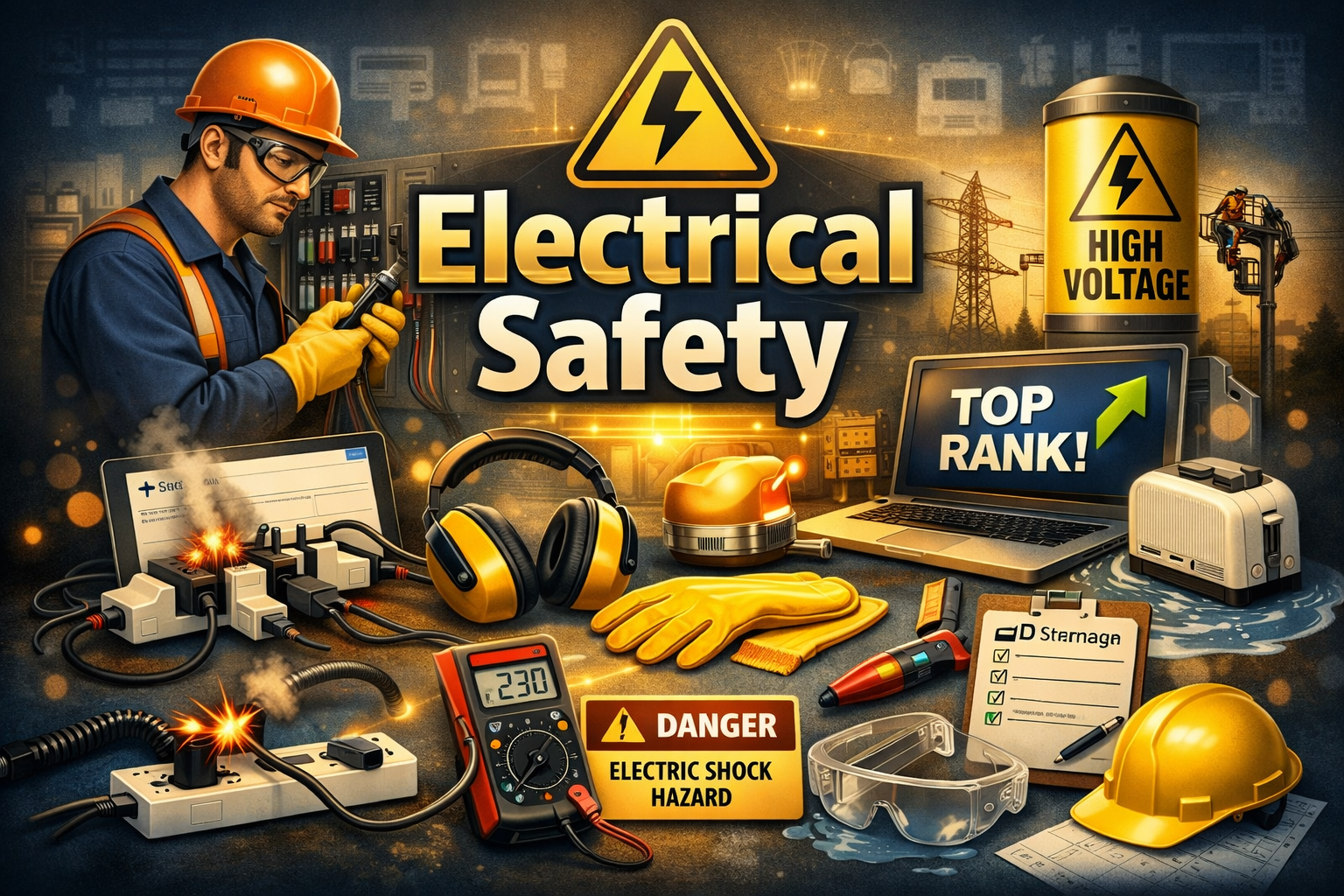
Electrical issues are very common in homes, and many people ignore small warning signs until they become serious problems. Understanding basic Electrical Safety can help you protect your home, avoid costly repairs, and keep your family safe. In this blog, we will answer 30 of the most frequently asked electrical questions in a simple and easy-to-understand way. Each answer is designed to help you quickly identify problems and know when to call a professional electrician.
Why do my lights keep flickering?
Flickering lights are usually caused by loose wiring, poor connections, or overloaded circuits. Sometimes the issue can also be with the light bulb or fixture itself. If multiple lights flicker at the same time, it may indicate a deeper electrical issue that should be checked for Electrical Safety.
Why does my circuit breaker keep tripping?
A circuit breaker trips when it detects overload, short circuits, or faulty appliances. It is a safety feature designed to prevent electrical fires. If it happens frequently, it is a sign that your system is struggling and needs inspection for Electrical Safety.
Why is one of my sockets not working?
A single socket may stop working due to a loose wire, internal damage, or a tripped circuit. In some cases, the socket itself may be faulty and require replacement for Electrical Safety
Why do I keep losing power in part of my property?
Partial power loss usually happens due to a tripped breaker, damaged wiring, or a faulty circuit. It should be checked immediately to avoid further damage or safety risks.
What causes an RCD to keep tripping?
An RCD trips when it detects electricity leaking from a faulty appliance or wiring. Moisture, damaged cables, or faulty devices are common causes. This is an important Electrical Safety feature and should not be ignored.
Why do my lights stop working suddenly?
Sudden loss of lighting is often caused by a blown fuse, tripped breaker, or wiring fault. In some cases, it may indicate a more serious electrical issue in the circuit.
Why is there a burning smell coming from an electrical outlet?
A burning smell is a serious warning sign of overheating wires or loose connections. It requires immediate attention as it can lead to electrical fires if ignored.
How do I know if my wiring needs replacing?
Old or damaged wiring often shows signs like frequent tripping, flickering lights, burning smells, or discolored sockets. Rewiring is important for long-term Electrical Safety.
Why are my electricity bills unusually high?
High electricity bills may be caused by faulty appliances, energy leaks, or inefficient wiring. Sometimes hidden electrical faults also increase power consumption.
What are the signs of faulty electrical wiring?
Common signs include flickering lights, frequent breaker trips, buzzing sounds, burning smells, and discolored outlets. These signs should always be taken seriously.
Why does my fuse board keep tripping?
A fuse board trips due to overloaded circuits, faulty wiring, or malfunctioning appliances. It is a protective system to prevent electrical hazards.
Why is my electric shower not working?
Electric showers may stop working due to power supply issues, heating element failure, or tripped breakers. It should be inspected carefully to ensure Electrical Safety.
What should I do if a socket sparks when used?
A sparking socket is dangerous and may indicate loose wiring or internal damage. The socket should be turned off immediately and checked by a qualified electrician.
Why do my light bulbs keep blowing?
Frequent bulb failures are usually caused by high voltage, poor quality bulbs, or faulty fittings. It may also indicate wiring issues in the circuit.
How can I tell if my consumer unit needs upgrading?
If your consumer unit is old, lacks RCD protection, or frequently trips, it may need upgrading. Modern units improve Electrical Safety and efficiency.
What causes power surges in a home?
Power surges can be caused by lightning, faulty appliances, or grid fluctuations. They can damage electronics if not properly protected.Why is my outdoor lighting not working?
Outdoor lighting issues are often caused by weather damage, water ingress, or broken wiring. Outdoor systems require regular maintenance for safety.
What are the common causes of electrical faults in homes?
Common causes include old wiring, overloaded circuits, faulty appliances, poor installation, and lack of maintenance.
How often should electrical installations be inspected?
It is recommended to inspect electrical systems every 5–10 years for homes, and more frequently for rented or commercial properties to ensure Electrical Safety.
What are the warning signs of an electrical emergency?
Warning signs include burning smells, sparks, smoke, repeated tripping, and buzzing sounds. These require immediate professional attention.
Why does my smoke alarm keep beeping?
A beeping smoke alarm usually indicates low battery, dust buildup, or a fault in the device. It should never be ignored.
What causes electrical shocks from appliances?
Electrical shocks can occur due to faulty appliances, poor grounding, or damaged wiring. This is a serious safety risk.
Why are some sockets working while others are not?
This usually happens due to a tripped circuit, loose wiring, or damage in a specific electrical line.
What is electrical fault finding and when is it needed?
Electrical fault finding is the process of identifying hidden electrical problems. It is needed when issues like tripping, flickering, or power loss occur repeatedly.
How do I know if my property has earthing problems?
Signs include electrical shocks, tripping breakers, and unstable power supply. Proper earthing is essential for Electrical Safety.
Why does my extractor fan stop working?
Extractor fans may stop due to motor failure, wiring issues, or switch faults. Moisture exposure can also affect performance.
Can old wiring affect the safety of my property?
Yes, old wiring is one of the biggest safety risks in homes. It increases the chances of overheating, fires, and electrical failures.
What should I do if I smell burning plastic near electrical equipment?
Turn off the power immediately and avoid using the equipment. A burning smell indicates overheating or melting insulation, which is dangerous.
Why do my lights dim when appliances are switched on?
This happens when large appliances draw too much power from the same circuit, indicating an overloaded system.
When should I call a professional electrician?
You should call an electrician whenever you notice repeated tripping, burning smells, sparks, power loss, or any issue that affects Electrical Safety.
Conclusion
Understanding these common electrical problems helps homeowners stay safe and avoid serious hazards. Regular checks and timely repairs are essential for maintaining proper Electrical Safety in every home. If you notice any of these issues, always consult a qualified electrician to prevent risks and ensure your electrical system runs smoothly.
For checking electrical safety standards and ensuring your work meets UK regulations, you can refer to the official NAPIT guidance here:

Leave a Reply