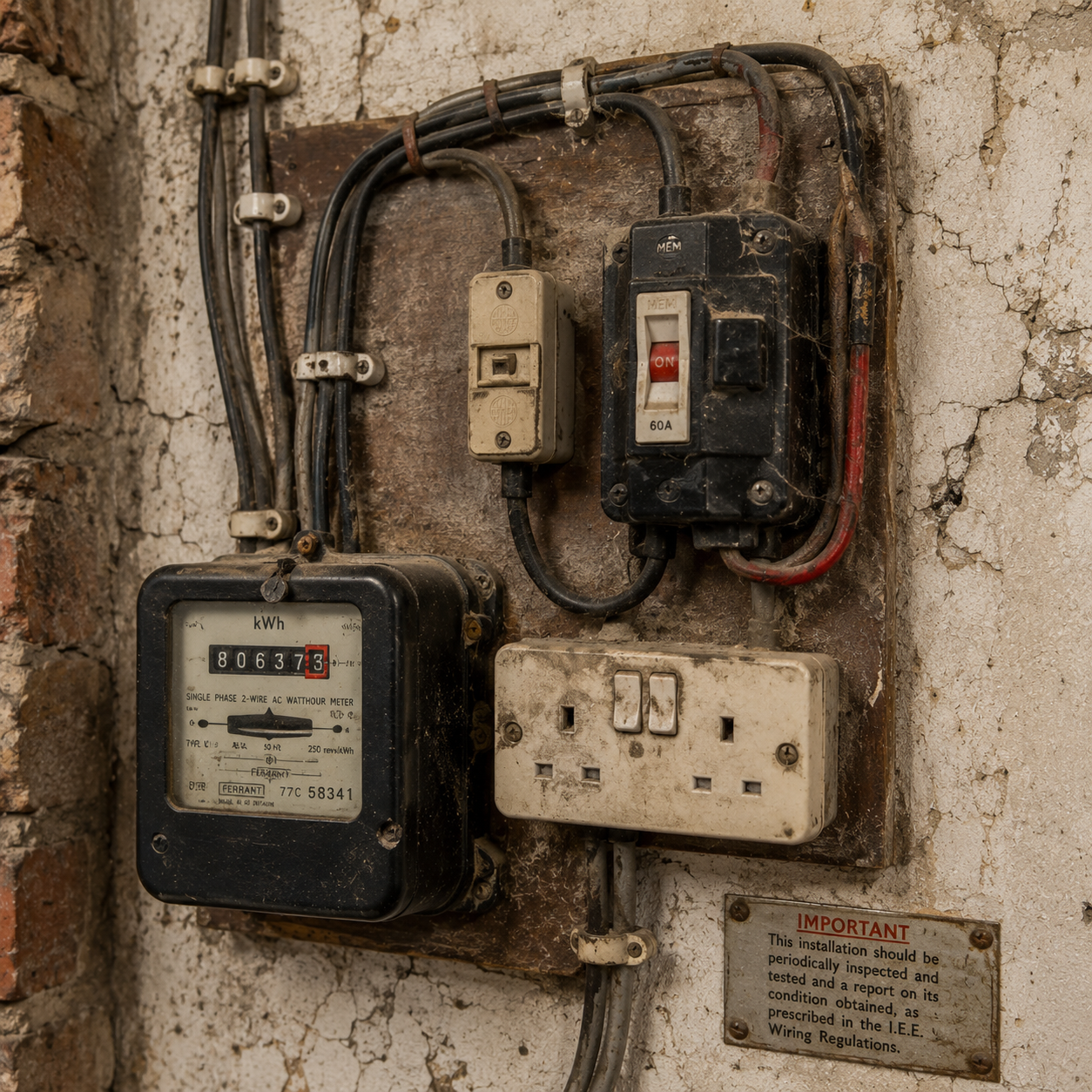
Electrical systems are one of the most important parts of every home. They power lighting, appliances, heating systems, internet devices, and many everyday essentials. However, many homeowners do not realise that older electrical wiring can become a serious safety issue over time.
In many UK homes, electrical systems were installed decades ago when households used far fewer appliances. Modern lifestyles place much higher demand on electrical circuits, and outdated systems may struggle to handle today’s power usage safely.
Old wiring can lead to frequent fuse board tripping, flickering lights, overheating sockets, damaged appliances, and even electrical fires. Understanding the warning signs and risks associated with aging electrical systems can help homeowners avoid dangerous situations and expensive repairs.
This guide covers everything in clear and simple terms, helping homeowners understand the risks of outdated wiring, recognise warning signs, and know when expert electrical assistance is required.
What is old wiring?
Old wiring refers to outdated electrical cables and systems that may no longer meet modern electrical safety standards.
Electrical wiring naturally deteriorates over time due to:
- Heat exposure
- Wear and tear
- Aging insulation
- Moisture damage
- Loose connections
Many older homes still contain wiring systems installed decades ago.Although some older wiring systems may continue to work, they might not be capable of safely handling the electrical demands of modern homes and appliances.
Older systems often lack the safety features found in modern electrical installations.
Why is old wiring dangerous?
Old wiring can become dangerous because electrical cables weaken as they age.
Over time, insulation around the wires may crack or deteriorate. This exposes electrical conductors and increases the risk of:
- Electrical fires
- Electric shocks
- Overheating
- Power failures
Loose connections inside aging electrical systems can also generate heat and sparks.
Another major issue is that many older properties were designed before modern appliances became common. Today’s homes use far more electricity, placing additional stress on outdated circuits.
According to NAPIT Electrical Safety Advice, aging electrical systems should be inspected regularly to ensure they remain safe and compliant with UK electrical standards.
How Can I Identify If My Home Has Outdated Electrical Wiring?
There are several warning signs that may indicate an older electrical system.
Common indicators include:
- Fabric-covered cables
- Old-style fuse boards
- Limited number of sockets
- Frequent fuse tripping
- Flickering lights
- Buzzing sockets
- Burning smells
Homes built many decades ago are more likely to contain outdated wiring unless the electrical system has been upgraded previously.
If you are unsure, a qualified electrician can inspect the property safely.
Can old wiring cause electrical fires?
Yes, old wiring is one of the leading causes of electrical fires in homes.
As cables age, insulation becomes weaker and more vulnerable to heat damage. Loose connections inside walls, sockets, and junction boxes can create overheating and electrical arcing.
Electrical fires may start silently behind walls without obvious warning signs.
Common fire risks associated with aging wiring include:
- Overheated cables
- Damaged insulation
- Loose terminals
- Overloaded circuits
This is why electrical inspections are extremely important in older homes.
Can old wiring affect appliance performance?
Yes, older electrical systems can affect the performance of household appliances.
Unstable electricity supply caused by weak wiring may result in:
- Appliances running inefficiently
- Devices shutting off unexpectedly
- Power interruptions
- Reduced appliance lifespan
Sensitive electronics such as computers, televisions, internet routers, and gaming systems are especially vulnerable to unstable electrical supply.
Why do my lights flicker in an older home?
Flickering lights are a frequent indication of possible electrical issues, especially in older homes.
Possible causes include:
- Loose wiring connections
- Overloaded circuits
- Aging electrical cables
- Faulty light fittings
- Weak electrical supply
Occasional flickering may seem harmless, but repeated flickering should never be ignored because it may indicate serious wiring issues inside the property.
Can old wiring cause power outages?
Yes, outdated electrical systems often contribute to local power outages inside homes.
Weak or damaged wiring may struggle to handle modern electricity usage. When circuits become overloaded, fuse boards trip automatically to protect the property.
Homeowners may notice:
- Certain rooms losing power
- Repeated breaker trips
- Sudden electrical interruptions
Frequent power problems should always be professionally inspected.
Is old wiring common in UK homes?
Yes, old wiring is still very common in many UK homes.
Large numbers of British properties were built decades ago and may still contain aging electrical systems. Some homes have had partial upgrades over the years, while others still rely on older circuits and fuse boards.
Older homes often require electrical improvements to meet modern safety standards and power demands.
How long does electrical wiring last?
Electrical wiring can last many decades, but its lifespan depends on:
- Installation quality
- Usage levels
- Environmental conditions
- Maintenance
Although some wiring may physically survive for many years, that does not always mean it remains safe.
Older systems should be inspected regularly to ensure insulation, connections, and circuits remain in good condition.
Can old wiring fail electrical inspections?
Yes, outdated electrical systems may fail an electrical inspection if safety issues are identified.
Common reasons include:
- Unsafe fuse boards
- Damaged insulation
- Lack of grounding
- Overloaded circuits
- Poor connections
An Electrical Installation Condition Report (EICR) helps identify safety concerns and necessary upgrades.
What are warning signs of old wiring?
There are many warning signs homeowners should watch for.
Common signs include:
- Burning smells
- Warm sockets
- Buzzing sounds
- Flickering lights
- Frequent fuse trips
- Sparking outlets
- Discoloured switches
These warning signs may indicate overheating or internal electrical faults.
Can old wiring increase electricity bills?
Yes, damaged or inefficient wiring may increase electricity usage.
Older electrical systems can lose efficiency due to:
- Loose connections
- Electrical resistance
- Heat buildup
- Worn insulation
Although old wiring is not always the direct cause of high bills, inefficient systems may contribute to unnecessary energy waste.
Should old wiring be replaced?
In many cases, yes.
If wiring is unsafe, damaged, or unable to handle modern electrical demand, replacement is usually recommended.
Replacing old wiring improves:
- Electrical safety
- System reliability
- Appliance performance
- Property value
Modern wiring systems also include updated safety features designed to reduce electrical hazards.
Can old wiring affect internet and electronics?
Yes, unstable electrical systems may affect sensitive electronics.
Power fluctuations caused by faulty wiring can:
- Restart internet routers
- Damage internal components
- Interrupt online connections
- Shorten device lifespan
Electronics require stable electrical supply for proper operation.
Why do sockets feel warm in older homes?
Warm sockets are a common sign of electrical stress.
Possible causes include:
- Loose wiring
- Overloaded circuits
- Aging connections
- Damaged sockets
Sockets should never become excessively hot during normal use.
If warmth continues, electrical inspection is recommended immediately.
Can old wiring handle modern appliances?
Many older systems were not designed for modern electrical usage.
Today’s homes commonly use:
- Washing machines
- Air fryers
- Dishwashers
- Electric showers
- Gaming systems
- Smart home devices
These appliances place much greater demand on electrical circuits than homes originally experienced decades ago.
Outdated wiring may struggle to handle these loads safely.
Is rewiring a house expensive?
The cost of rewiring depends on:
- Property size
- Number of rooms
- Wiring condition
- Accessibility
Although rewiring can seem expensive, it is an important long-term investment in safety and reliability.
Ignoring dangerous wiring problems may eventually lead to even more costly repairs.
Can old wiring cause fuse board tripping?
Yes, aging wiring frequently contributes to fuse board tripping.
Weak or damaged wiring creates electrical resistance and instability. When the system detects unsafe conditions, breakers trip automatically to prevent overheating.
Repeated tripping often indicates an underlying electrical problem.
Can old wiring create buzzing sounds?
Yes, buzzing sounds often indicate loose or damaged electrical connections.
Electrical buzzing should never be ignored because it may suggest:
- Electrical arcing
- Loose terminals
- Overheating
- Internal damage
Buzzing sockets or switches require immediate professional attention.
Should I buy a house with old wiring?
Buying a home with older wiring is not always a problem, but it is important to arrange a professional inspection before purchasing.
An electrical inspection can help identify:
- Safety risks
- Necessary upgrades
- Rewiring requirements
- Fuse board issues
Understanding the condition of the electrical system helps buyers avoid unexpected repair costs later.
How often should wiring be inspected?
Electrical systems should be inspected periodically, especially in older properties.
Regular inspections help identify:
- Hidden faults
- Unsafe wiring
- Overloaded circuits
- Deteriorating insulation
Landlords and homeowners should follow recommended inspection schedules for safety compliance.
Can rodents damage old wiring?
Yes, rodents can seriously damage electrical wiring.
Mice and rats sometimes chew electrical cables, exposing live wires and creating dangerous faults.
Rodent damage may lead to:
- Short circuits
- Power outages
- Electrical fires
Properties with pest problems should have wiring inspected carefully.
Can moisture damage old wiring?
Yes, moisture is extremely dangerous for electrical systems.
Water exposure may cause:
- Corrosion
- Short circuits
- Electrical arcing
- Fuse board tripping
Bathrooms, kitchens, basements, and outdoor areas are particularly vulnerable to moisture-related electrical issues.
What is a full house rewire?
A full house rewire involves replacing outdated electrical wiring throughout the property.
This often includes:
- New electrical cables
- New sockets and switches
- Updated fuse board
- Modern safety protection
Rewiring improves safety and helps homes meet modern electrical standards.
When should I call an electrician about old wiring?
You should contact an electrician if you notice:
- Burning smells
- Flickering lights
- Warm sockets
- Buzzing sounds
- Frequent fuse trips
- Power interruptions
Professional electricians can safely identify hidden electrical faults before they become dangerous.
Can old wiring reduce property value?
Yes, outdated electrical systems may affect property value and buyer confidence.
Many buyers worry about:
- Safety risks
- Rewiring costs
- Electrical reliability
Modern electrical systems are often seen as a major advantage in property sales.
Is old wiring covered by home insurance?
Insurance policies vary depending on provider and property condition.
Some insurers may:
- Require electrical inspections
- Limit coverage for unsafe systems
- Request upgrades for older properties
Homeowners should always review insurance terms carefully.
Can DIY repairs fix old wiring safely?
No, DIY electrical work is dangerous and strongly discouraged.
Improper electrical repairs may:
- Increase fire risk
- Cause electric shock
- Create hidden faults
- Violate UK regulations
Electrical work should always be carried out by qualified professionals.
Where can I learn electrical safety advice in the UK?
Homeowners can learn more about electrical safety through:
NAPIT Official Website
NAPIT provides guidance about electrical inspections, safety standards, and professional electrical services in the UK.
Final Thoughts
Old wiring is one of the most overlooked electrical safety issues in homes. While many aging systems continue working for years, that does not always mean they remain safe.
Warning signs such as flickering lights, warm sockets, buzzing sounds, and repeated fuse trips should never be ignored. These issues may indicate serious electrical faults hidden behind walls and inside circuits.
Regular electrical inspections help homeowners identify problems early and improve overall safety. Upgrading outdated wiring not only reduces electrical risks but also improves reliability, energy efficiency, and compatibility with modern appliances.
If you suspect your property may contain aging electrical wiring, contacting a qualified electrician is always the safest solution.
Leave a Reply