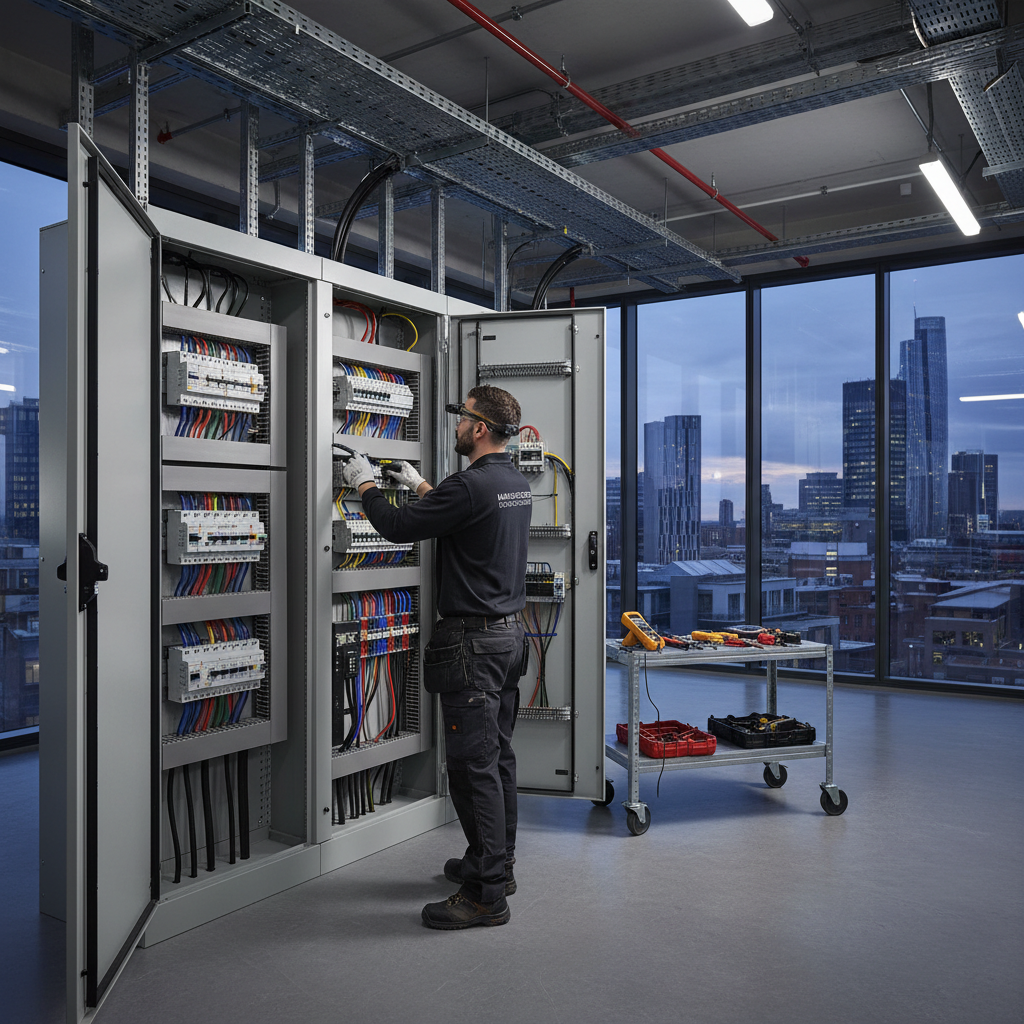
Electrical systems are an important part of every home, office, and commercial building in the UK. From lighting and sockets to fuse boards and safety inspections, professional Electrical Work helps keep properties safe and fully functional.
Many homeowners and landlords have questions about regulations, costs, safety certificates, and hiring electricians. This guide answers the most common questions about Electrical Work in the UK in a simple and easy-to-understand way.
What is Electrical Work?
Electrical Work includes the installation, maintenance, repair, and testing of electrical systems.
This can include:
- Wiring and rewiring
- Fuse board upgrades
- Socket installation
- Lighting installation
- Safety inspections
- Fault finding
- EV charger installation
Professional Electrical Work ensures the electrical system is safe and follows UK regulations.
Is DIY Electrical services Legal in the UK?
This is one of the most common questions people ask about Electrical Work.
The answer is:
✔ Some small electrical jobs are legal for homeowners
❌ Certain electrical tasks must legally be completed by qualified electricians
Simple jobs like:
- Changing light bulbs
- Replacing socket covers
- Resetting breakers
are usually allowed.
However, larger Electrical services such as:
- Rewiring
- Fuse board replacement
- New circuits
- Bathroom electrical installation
must follow strict UK regulations.
Unsafe DIY work can cause:
- Electrical fires
- Electric shocks
- Failed inspections
- Insurance problems
What Are the Legal Requirements for Electrical services?
In the UK, most Electrical services must follow:
- BS 7671 Wiring Regulations
- Building Regulations Part P
These regulations help ensure electrical systems are safe.
Legal requirements may include:
- Proper installation methods
- Electrical testing
- Safety certification
- Notification to local authorities in some cases
Using qualified electricians helps ensure all legal requirements are met.
What is a Competent Person Scheme in Electrical services?
A Competent Person Scheme allows electricians to certify their own Electrical services under UK building regulations.
Popular schemes include:
- NAPIT
- NICEIC
Electricians registered under these schemes are qualified to:
- Complete electrical installations
- Test electrical systems
- Issue certificates
- Confirm compliance with regulations
This gives customers confidence that the work meets UK safety standards.
What is an EICR in Electrical services?
EICR stands for:
Electrical Installation Condition Report
An EICR is an important part of Electrical servicesused to inspect electrical systems and identify safety problems.
The inspection checks:
- Wiring condition
- Fuse boards
- Earthing systems
- Circuits and sockets
- Electrical safety risks
After the inspection, a report is provided explaining whether the system is safe or needs repairs.
Why is an EICR Important?
An EICR helps identify hidden electrical faults before they become dangerous.
Benefits include:
- Improved electrical safety
- Reduced fire risk
- Legal compliance for landlords
- Early fault detection
- Peace of mind
Regular inspections are important for homes, rental properties, and commercial buildings.
How Much Do Electricians Charge in the UK?
The cost of Electrical Work depends on:
- Type of job
- Property size
- Complexity of installation
- Materials required
- Emergency call-outs
Small jobs may cost less, while larger projects such as rewiring or commercial installations cost more.
Emergency electrical services are usually more expensive because of urgent response times.
How Long Does Electrical Work Usually Take?
The time required depends on the size of the project.
Typical timeframes:
- Small repairs: 1–3 hours
- Medium installations: 1–2 days
- Full rewiring: several days
Professional electricians usually explain the expected timeline before starting work.
How Do I Verify if an Electrician is Qualified?
Before hiring someone for Electrical Work, always check qualifications and certifications.
You can verify electricians by checking:
- NAPIT registration
- NICEIC approval
- Insurance coverage
- Experience and reviews
Certified electricians usually provide identification and certification details.
Using qualified professionals improves safety and ensures legal compliance.
Why Hiring Qualified Electricians Matters
Professional Electrical Work helps prevent:
- Unsafe wiring
- Electrical faults
- Fire hazards
- Failed inspections
Qualified electricians also carry out proper testing and certification after completing work.
Is an Electrical Guarantee Legally Required?
Electrical guarantees are not always legally required, but many professional electricians provide them.
A guarantee may cover:
- Installation quality
- Faulty workmanship
- Parts and materials
Having a guarantee provides extra protection and reassurance for customers.
What Types of Electrical Work Are Most Common?
The most common types of Electrical Work in UK properties include:
Wiring and Rewiring
Replacing old or unsafe electrical wiring.
Fuse Board Upgrades
Installing modern consumer units for improved safety.
Lighting Installation
Indoor, outdoor, and security lighting systems.
Socket Installation
Adding or replacing sockets and switches.
Electrical Testing
Checking electrical systems for safety and compliance.
Can Old Electrical Systems Be Dangerous?
Yes, outdated electrical systems can become unsafe over time.
Old systems may cause:
- Electrical fires
- Frequent power trips
- Electric shocks
- Appliance damage
Regular inspections and upgrades improve safety.
What Are the Warning Signs of Electrical Problems?
You may need professional Electrical Work if you notice:
- Flickering lights
- Burning smells
- Buzzing sounds
- Warm sockets
- Tripping fuse boards
- Sparks from switches
These signs should never be ignored.
Is Electrical Work Important for Landlords?
Landlords are responsible for electrical safety in rental properties.
They may need:
- EICR reports
- Electrical repairs
- Regular inspections
- Safe electrical installations
Proper Electrical Work helps protect tenants and meet legal requirements.
What Electrical Work is Needed for Home Renovations?
Home renovations often require professional electrical installation.
This may include:
- New lighting systems
- Kitchen wiring
- Additional sockets
- Bathroom electrical work
- Consumer unit upgrades
Modern electrical systems improve convenience and energy efficiency.
Can Electrical Work Improve Energy Efficiency?
Yes, modern Electrical Work can reduce electricity usage and improve efficiency.
Examples include:
- LED lighting
- Smart home systems
- Energy-efficient wiring
- Modern electrical equipment
Energy-efficient systems may help reduce utility bills.
What Happens After Electrical Work is Completed?
After major installations, electricians may provide:
- Testing results
- Safety certificates
- Compliance documentation
- User instructions
These documents help confirm the installation meets UK safety regulations.
Why Regular Electrical Work Maintenance Matters
Routine maintenance helps:
- Prevent electrical faults
- Improve system lifespan
- Reduce repair costs
- Maintain safety standards
Regular inspections can identify problems before they become serious.
Final Thoughts
Professional Electrical Work is essential for maintaining safe and reliable electrical systems in homes and businesses across the UK. Understanding legal requirements, safety inspections, electrician qualifications, and electrical regulations helps property owners make informed decisions.
Whether you need repairs, installations, inspections, or upgrades, qualified electricians help ensure the work is completed safely and professionally.
We follow UK electrical safety standards recommended by the NAPIT Official Website for professional and compliant electrical inspections and installations.
Leave a Reply