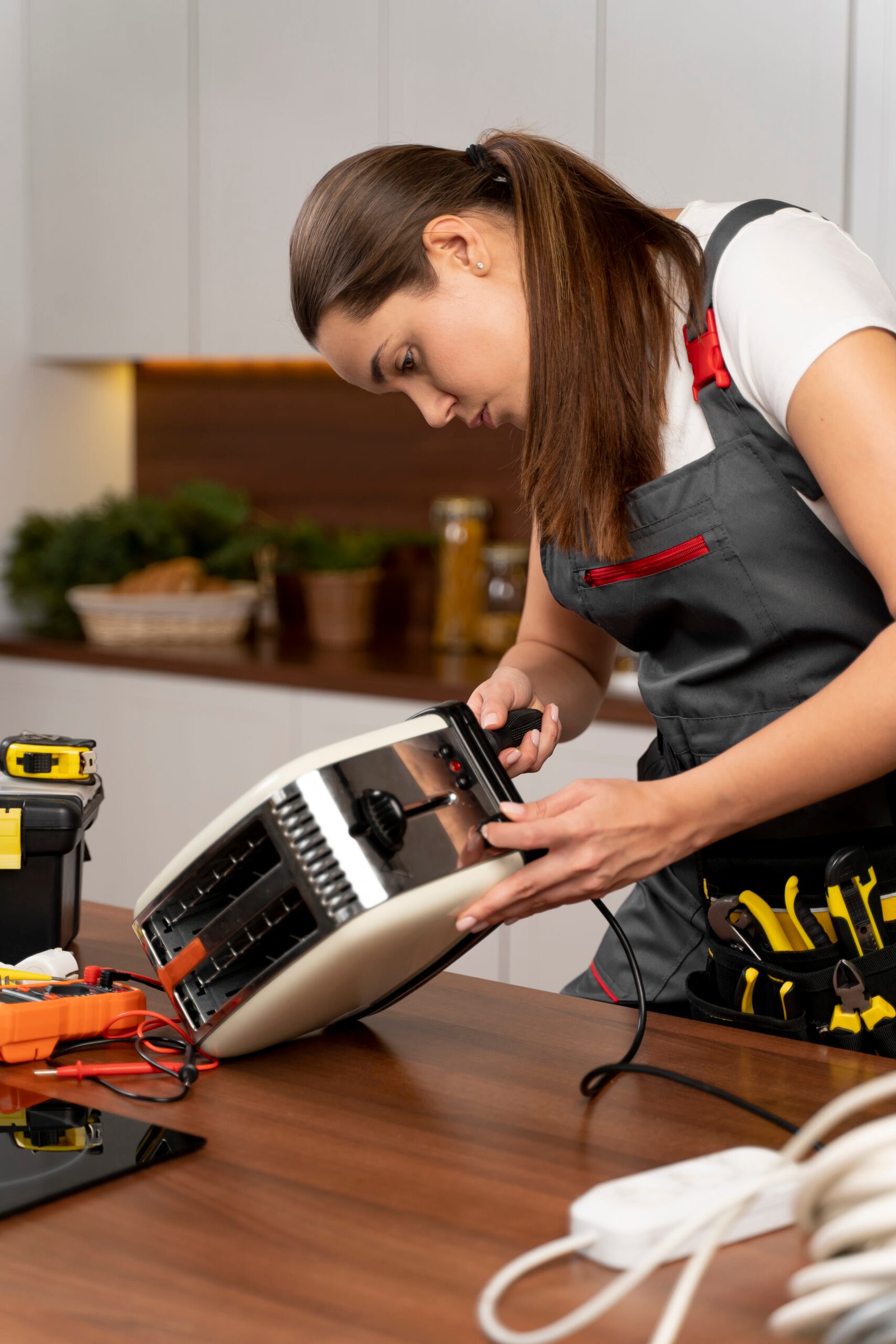
This guide covers the main causes, risks, and prevention methods to help protect your appliances and improve their lifespan.
Table of content
ToggleWhat are the main reasons household appliances stop working?
There are several reasons why household appliances stop working properly.One of the main reasons is the natural ageing of appliance parts over time.. Every appliance has internal parts that become weaker over time due to regular use.
Electrical issues are another major reason behind appliance problems. Faulty wiring, unstable voltage, damaged sockets, and overloaded circuits can affect how appliances operate. Poor maintenance can also lead to issues because dust, dirt, and damaged components can reduce performance.
Other common causes include:
- Power surges
- Manufacturing defects
- Overheating
- Moisture damage
- Incorrect installation
- Lack of regular servicing
Identifying these causes early can help reduce the chances of expensive repairs and unexpected breakdowns.
Why do electrical appliances suddenly stop working?
Electrical appliances can stop working due to power supply issues, loose connections, faulty components, or power surges. Simple problems like a tripped breaker may be easy to fix, while damaged wiring or internal faults may require professional help.
Checking the plug, socket, and circuit breaker can identify basic issues, but ongoing Appliance Failure should be inspected by a qualified electrician.
reaker, and socket can help identify simple problems. However, if the appliance still does not work, professional inspection may be needed.
How can I tell if my appliance has a serious electrical problem?
Some warning signs indicate that an appliance may have a serious electrical issue. These signs should never be ignored because they can create safety risks.
Common warning signs include:
- Burning smells coming from the appliance
- Sparks near plugs or sockets
- Frequent tripping of the circuit breaker
- Strange buzzing sounds
- Overheating cables or plugs
- The appliance turning on and off repeatedly
If you notice these problems, stop using the appliance and disconnect it safely if possible. Continuing to use a damaged device can increase the risk of electrical shocks, fires, or further damage.
Can power surges cause appliance failure?
Yes, power surges are a common cause of Appliance Failure
A power surge happens when your home receives a sudden increase in electrical voltage, which can overload and damage connected appliances.
Modern appliances often contain sensitive electronic components that can be damaged by excessive voltage. Devices such as televisions, computers, smart appliances, and microwaves are especially vulnerable.
Power surges can happen because of:
- Lightning strikes
- Problems with the electricity supply
- Faulty electrical systems
- Large appliances switching on and off
Using surge protection devices can help reduce the risk of damage. Regular electrical inspections can also identify problems that may make your home more vulnerable to power-related issues.
Why do my appliances keep breaking down frequently?
If your appliances keep failing, there may be an underlying problem rather than separate faults each time. Frequent breakdowns can happen because of poor installation, incorrect usage, electrical problems, or old equipment.
For example, connecting too many devices to one circuit can overload the electrical system and affect appliance performance. Similarly, using an appliance incorrectly or ignoring maintenance instructions can shorten its lifespan.
Other possible reasons include:
- Poor-quality electrical connections
- Unstable voltage supply
- Lack of cleaning and maintenance
- Ageing internal parts
Finding the main cause is important because repeatedly repairing appliances without fixing the real issue can become expensive.
How does poor electrical wiring affect home appliances?
Poor electrical wiring can seriously affect household appliances. Old, damaged, or incorrectly installed wiring may provide an unstable power supply, causing appliances to work inefficiently or fail completely.
Faulty wiring can lead to:
- Voltage problems
- Overheating
- Short circuits
- Electrical fires
- Permanent appliance damage
Older homes are more likely to have outdated wiring that may not support modern electrical demands. If multiple appliances experience problems at the same time, the electrical system should be checked by a qualified electrician.
A safe and properly maintained electrical system helps prevent unnecessary Appliance Failure and protects your home.
Can an overloaded circuit damage electrical devices?
Yes, overloaded circuits can damage electrical appliances. A circuit becomes overloaded when too many devices draw more electricity than the circuit can safely handle.
This can cause:
- Circuit breakers to trip
- Electrical components to overheat
- Appliance motors to become damaged
- Reduced appliance performance
Large appliances such as washing machines, ovens, and refrigerators require a stable power supply. They should be connected to suitable circuits designed for their electrical needs.
Avoid using too many high-power devices on the same socket or extension lead. Proper electrical planning can protect appliances and improve household safety.
What are the warning signs that an appliance is about to fail?
Many appliances provide early warning signs before they stop working completely. Recognising these signs early can help prevent serious damage.
Common warning signs include:
- Reduced performance
- Unusual sounds
- Longer operating times
- Higher energy bills
- Excessive heat
- Leaking water
- Frequent restarting
For example, a refrigerator that runs constantly may have a cooling problem, while a washing machine making loud noises may have a damaged internal part.
Taking action when these signs appear can prevent a small issue from becoming a major repair problem.
Why is my appliance making unusual noises before stopping?
Strange sounds from an appliance often suggest a mechanical or electrical issue Different sounds can point to different issues.
Examples include:
- Grinding sounds may indicate damaged moving parts
- Buzzing sounds may suggest electrical problems
- Clicking sounds may indicate faulty switches or controls
- Loud vibrations may mean loose components
Ignoring these warning sounds may result in complete appliance breakdown.It is better to inspect the appliance early rather than wait until it stops working completely.
Regular cleaning, proper use, and maintenance can help reduce mechanical problems and extend appliance life.
Can voltage fluctuations damage household appliances?
Yes, voltage fluctuations can damage household appliances over time. Appliances are designed to work within a specific voltage range. When electricity levels regularly increase or decrease, internal components can become stressed.
Voltage problems may cause:
- Shortened appliance lifespan
- Electronic failures
- Overheating
- Reduced performance
Sensitive devices with digital controls are especially affected by unstable voltage. Installing protective devices and ensuring your electrical system is properly maintained can help prevent damage.
How can I protect my appliances from electrical damage?
Protecting your home devices from electrical problems is one of the best ways to reduce the risk of Appliance Failure. Many appliance problems happen because of unstable electricity, poor connections, or lack of basic protection.
You can protect your appliances by following these simple steps:
- Use surge protectors for sensitive electronic devices
- Avoid connecting too many appliances to one socket
- Check damaged plugs and cables regularly
- Keep appliances clean and properly maintained
- Use appliances according to manufacturer instructions
- Arrange regular electrical inspections
A safe electrical system plays an important role in preventing Appliance Failure. When your wiring, sockets, and power supply are in good condition, your appliances can operate more efficiently and safely.
Should I repair or replace a faulty appliance?
The decision to repair or replace an appliance depends on several factors, including its age, condition, repair cost, and overall performance.
Repairing may be a good option when:
- The appliance is relatively new
- The problem is small and affordable to fix
- Replacement parts are easily available
Replacing may be better when:
- The appliance is very old
- Repairs are becoming frequent
- Energy usage is increasing
- Repair costs are close to the price of a new appliance
Repeated repairs can sometimes be a sign of ongoing Appliance Failure issues. Investing in a modern, energy-efficient appliance may save money in the long term and reduce future problems.
How often should home appliances be maintained?
Regular maintenance is important for preventing Appliance Failure and extending the life of household devices. The frequency of maintenance depends on the type of appliance and how often it is used.
General maintenance tips include:
- Cleaning filters regularly
- Removing dust from vents
- Checking cables and plugs
- Inspecting moving parts
- Following manufacturer cleaning instructions
For example, refrigerators should have clean coils for better cooling, while washing machines should be checked for leaks and unusual sounds.
Regular care helps appliances work efficiently, reduces energy consumption, and allows homeowners to identify small issues before they become major failures.
Can old appliances become dangerous to use?
Yes, old appliances can become dangerous, especially when they have worn-out parts or outdated electrical components. Over time, insulation can weaken, wires can become damaged, and internal parts may stop working correctly.
Older appliances may increase the risk of:
- Electrical shocks
- Short circuits
- Overheating
- Fire hazards
- Unexpected Appliance Failure
If an appliance is showing signs of damage, such as burning smells, overheating, or repeated breakdowns, it should be inspected before continued use.
Replacing outdated appliances can improve safety and may also reduce electricity costs because newer models are often more energy efficient.
Why does my refrigerator keep failing?
A refrigerator can experience Appliance Failure for several reasons because it operates continuously throughout the day. Since refrigerators work for long periods, their internal components experience regular stress.
Common causes include:
- Dirty condenser coils
- Faulty thermostat
- Compressor problems
- Damaged door seals
- Electrical supply issues
- Poor ventilation
If your refrigerator is not cooling properly, making unusual noises, or running constantly, it may need attention.
Regular cleaning, proper airflow around the appliance, and checking the electrical connection can help prevent refrigerator problems and improve performance.
What causes washing machines to stop working?
Washing machines can stop working because of mechanical, electrical, or water-related problems. Since they contain motors, pumps, sensors, and electronic controls, many components can contribute to Appliance Failure.
Common washing machine problems include:
- Blocked drainage systems
- Damaged motors
- Faulty control boards
- Worn-out belts
- Water supply issues
- Electrical connection problems
Overloading the washing machine can also put extra pressure on internal parts and shorten its lifespan.
Using the machine correctly, avoiding excessive loads, and carrying out regular checks can help prevent unexpected breakdowns.
Why is my microwave not turning on?
A microwave that does not turn on may have several possible causes. Sometimes the issue is simple, such as a faulty socket or damaged power cable. In other cases, internal components may have failed.
Possible causes include:
- Blown internal fuse
- Faulty door switch
- Damaged control panel
- Electrical supply problems
- Internal component failure
Microwaves contain high-voltage parts that can be dangerous to handle without proper knowledge. If basic checks do not solve the issue, professional help should be considered.
Ignoring microwave problems can lead to further Appliance Failure and potential safety risks.
What are the common reasons for dishwasher failure?
Dishwashers can fail due to water supply issues, electrical faults, or damaged internal parts. A dishwasher that does not clean properly or stops during a cycle may have an underlying problem.
Common reasons include:
- Blocked filters
- Faulty pumps
- Water inlet problems
- Damaged heating elements
- Electrical connection faults
Regular cleaning and correct usage can reduce the chances of dishwasher problems. Removing food particles from filters and checking for leaks can help maintain good performance.
Early attention to small problems can prevent major Appliance Failure and expensive repairs.
Can faulty sockets cause appliance problems?
Yes, faulty sockets can contribute to Appliance Failure. A damaged socket may provide an unstable electrical connection, which can affect how appliances operate.
Signs of a faulty socket include:
- Loose connections
- Burning smells
- Discolouration around the socket
- Sparks
- Heat around the outlet
Using appliances with damaged sockets can be dangerous because it may cause electrical shocks or fires.
If you notice socket problems, avoid using that outlet and arrange an electrical inspection to identify and fix the issue safely.
How does regular electrical testing help prevent appliance failure?
Regular electrical testing helps identify problems before they cause serious damage. Testing checks whether your electrical system is safe, reliable, and suitable for your household needs.
Electrical inspections can identify:
- Damaged wiring
- Poor connections
- Circuit problems
- Safety risks
- Voltage issues
A healthy electrical system reduces the chances of Appliance Failure because appliances receive a safer and more stable power supply.
For homeowners, regular testing is a practical investment that protects both electrical devices and family safety.
Are damaged power cords a risk to home appliances?
Damaged power cords are a serious risk and can contribute to Appliance Failure. A damaged cable may interrupt electricity flow or create dangerous electrical conditions.
Common signs of damaged cords include:
- Cracked insulation
- Exposed wires
- Burns or marks
- Loose plugs
- Frayed sections
Never continue using an appliance with a damaged power cord. Replacing the cable or repairing the appliance safely can prevent further damage and reduce electrical hazards.
Can a tripped circuit breaker cause appliances to stop working?
Yes, a tripped circuit breaker can cause appliances to stop working. Circuit breakers are designed to protect your home by cutting power when they detect problems such as overloads or electrical faults.
A breaker may trip because of:
- Too many appliances running together
- Faulty appliances
- Short circuits
- Wiring issues
Resetting the breaker may restore power temporarily, but repeated trips can indicate a deeper electrical problem.
Frequent breaker issues should be checked because they may be connected to ongoing Appliance Failure and electrical safety concerns.
How can I prevent appliance failure during power outages?
Power outages can sometimes cause Appliance Failure when electricity returns suddenly with a high voltage surge. Many modern appliances contain sensitive electronic components that can be damaged by unstable power after an outage.
To protect your appliances during power interruptions:
- Unplug sensitive devices during long power cuts
- Use surge protection devices
- Avoid switching on multiple appliances immediately after power returns
- Consider installing whole-home surge protection
- Keep your electrical system properly maintained
Devices such as televisions, computers, microwaves, and smart appliances are especially vulnerable to power surges. Taking simple precautions can reduce the risk of electrical damage and help your appliances last longer.
What safety steps should I take when an appliance stops working?
When you experience Appliance Failure, safety should always come first. Many people try to repair appliances without understanding the electrical risks involved, which can lead to injuries or further damage.
Follow these safety steps:
- Turn off the appliance immediately
- Disconnect it from the power supply if it is safe to do so
- Check for obvious issues like loose plugs or damaged cables
- Avoid touching exposed wires
- Do not open electrical components without proper knowledge
If you notice burning smells, smoke, sparks, or unusual sounds, stop using the appliance and contact a qualified professional.
When should I call an electrician for appliance problems?
You should contact an electrician when the problem appears to be related to your home’s electrical system rather than the appliance itself.
Professional help may be needed when:
- Circuit breakers keep tripping
- Multiple appliances stop working together
- Sockets become hot or damaged
- You notice burning smells
- Lights flicker when appliances operate
- Wiring problems are suspected
An electrician can identify whether the issue is caused by faulty wiring, poor connections, or another electrical problem. Professional inspection can prevent repeated Appliance Failure and improve overall home safety.
How much does it cost to fix a failed home appliance?
The cost of repairing an appliance depends on the type of appliance, the damaged part, labour charges, and the complexity of the problem.
Small repairs may involve replacing:
- Fuses
- Switches
- Cables
- Filters
- Minor components
More expensive repairs may involve:
- Motors
- Compressors
- Control boards
- Heating elements
Before repairing an appliance, compare the repair cost with the price of replacement. If an appliance has frequent problems, continued repairs may not be the most cost-effective solution.
Understanding the cause of Appliance Failure helps homeowners make better repair or replacement decisions.
Can electrical inspections help protect household devices?
Yes, electrical inspections can play an important role in preventing Appliance Failure. These inspections check whether your home’s electrical system is operating safely and efficiently.
A professional electrical inspection can identify:
- Unsafe wiring
- Damaged sockets
- Circuit overloads
- Poor electrical connections
- Potential fire risks
Many appliance problems are not caused by the appliance itself but by issues within the electrical system. Regular inspections help create a safer environment for your devices and your family.
Why do new appliances sometimes fail early?
Although new appliances are designed to be reliable, early Appliance Failure can still happen. Sometimes the problem is caused by manufacturing defects, incorrect installation, or electrical issues in the home.
Common reasons include:
- Poor installation
- Incorrect power supply
- Factory defects
- Improper usage
- Lack of maintenance
Installing appliances correctly and following manufacturer instructions can help prevent early problems.
If a new appliance fails shortly after purchase, check the warranty before paying for repairs.
How does moisture affect electrical appliances?
Moisture can seriously damage electrical appliances because water and electricity create dangerous conditions. Appliances used in kitchens, bathrooms, and outdoor areas are especially vulnerable.
Moisture can cause:
- Electrical short circuits
- Rust and corrosion
- Damaged internal components
- Reduced appliance performance
- Increased risk of Appliance Failure
To prevent moisture-related damage:
- Keep appliances dry
- Fix water leaks quickly
- Avoid placing electrical devices near water sources
- Ensure proper ventilation
Proper care is especially important for washing machines, dishwashers, and outdoor electrical equipment.
What are the best ways to extend the lifespan of home appliances?
Preventing Appliance Failure is easier and cheaper than dealing with frequent repairs. With proper care and regular maintenance, most appliances can provide reliable service for many years.
The best ways to extend appliance life include:
Clean appliances regularly
Dust, dirt, and debris can affect performance. Cleaning filters, vents, and external parts helps appliances operate efficiently.
Avoid overloading appliances
Using appliances beyond their recommended capacity puts stress on motors and internal components.
Check electrical connections
Loose plugs, damaged cables, and faulty sockets can create electrical problems that lead to Appliance Failure.
Follow manufacturer instructions
Using appliances correctly prevents unnecessary strain and reduces the chance of damage.
Schedule regular maintenance
Professional checks can identify small issues before they become expensive repairs.
A little maintenance goes a long way in protecting your investment and keeping your home devices working efficiently.
How can a NAPIT-approved electrician help prevent appliance failure in my home?
A NAPIT-approved electrician follows professional safety standards and can identify electrical issues such as faulty wiring, unsafe connections, and power supply problems that may lead to appliance failure. Regular electrical checks by a qualified professional help protect your home devices and improve electrical safety.

Final Thoughts About Appliance Failure
Household appliances need proper care and a safe electrical system to work efficiently. Appliance Failure can occur due to electrical faults, power surges, poor maintenance, or ageing parts.
Regular maintenance, electrical inspections, and surge protection can help prevent problems. Addressing faults early protects your appliances, home, and family while improving performance and lifespan.
Leave a Reply