Category: categorized

  • Fuse Tripping FAQs: Common Causes, Safety Risks, and Expert Solutions

    Fuse Tripping FAQs: Common Causes, Safety Risks, and Expert Solutions

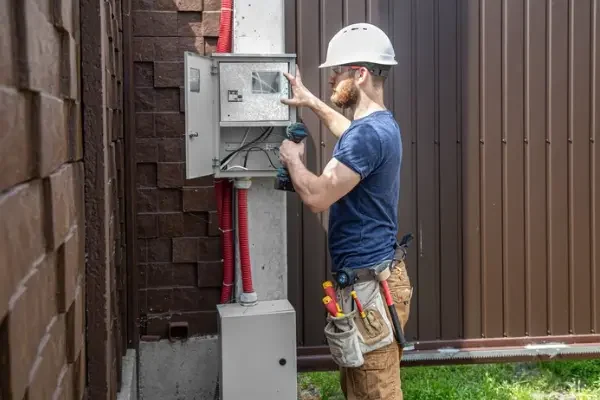
    Electrical faults can happen in any property, and one of the most common problems homeowners face is fuse tripping. When your fuse board suddenly cuts the power, it can interrupt your daily routine and sometimes create serious safety concerns.

    A fuse board is designed to protect your home from electrical danger. It automatically switches off electricity when it detects faults such as overloaded circuits, damaged wiring, or faulty appliances. While occasional trips can happen, repeated fuse tripping should never be ignored.

    This guide answers the most common questions about fuse board problems, explains possible causes, and helps you understand when professional electrical help is needed.

    Why Does My Fuse Board Keep Tripping?

    Repeated fuse tripping is usually a sign that there is an electrical fault somewhere in the property.

    Common causes include:

    • Faulty electrical appliances
    • Overloaded sockets or circuits
    • Short circuits
    • Water or moisture damage
    • Damaged wiring
    • Old electrical systems

    Your fuse board trips to prevent overheating, electrical fires, or electric shock. In many cases, the problem starts small but becomes worse over time if ignored.

    If your fuse board trips frequently, it is important to identify the fault instead of repeatedly resetting the switch.

    Is a Tripping Fuse Board Dangerous?

    Yes, repeated fuse tripping can sometimes indicate dangerous electrical problems.

    The fuse board is a safety device designed to stop unsafe electrical conditions before they become serious.

    Possible risks include:

    • Electrical fires
    • Burnt cables
    • Electric shocks
    • Damaged appliances
    • Overheating circuits

    If the issue continues happening, your electrical system should be inspected by a qualified electrician.

    According to NAPIT, electrical faults should always be handled safely and professionally to maintain compliance with UK electrical standards.

    Ignoring warning signs can lead to expensive repairs and increased safety risks.

    Can a Faulty Appliance Cause the Fuse Board to Trip?

    Yes, faulty appliances are one of the most common reasons for fuse tripping in homes.

    Appliances can develop internal electrical faults due to wear, overheating, or damaged wiring.

    Common appliances that may cause problems include:

    • Washing machines
    • Kettles
    • Microwaves
    • Portable heaters
    • Toasters
    • Dishwashers

    A simple way to identify the issue is:

    1. Unplug all appliances connected to the affected circuit
    2. Reset the fuse board
    3. Plug appliances back in one at a time

    If the fuse trips after plugging in a certain appliance, that appliance may require repair or replacement.

    Why Does My Fuse Board Trip When I Use Certain Appliances?

    Some appliances require large amounts of electrical power, especially heating equipment and kitchen appliances.

    Fuse tripping can happen when:

    • Too many high-power appliances run together
    • An appliance contains an electrical fault
    • The circuit cannot handle the electrical load

    This often happens with:

    • Electric ovens
    • Air fryers
    • Tumble dryers
    • Portable heaters
    • Washing machines

    Older properties are more vulnerable because older circuits may not support modern electrical demands safely.

    Reducing electrical overloads can help minimise unnecessary trips.

    How Do I Know Which Circuit Is Causing the Trip?

    Modern fuse boards contain separate breakers for different circuits in the property.

    When a fault occurs, one switch usually moves to the OFF position automatically.

    This helps identify the affected area, such as:

    • Kitchen sockets
    • Lighting circuits
    • Upstairs power
    • Outdoor electrical systems
    • Cooker circuits

    You can investigate by disconnecting appliances connected to that circuit.

    If you are unsure how to do this safely, contact a qualified electrician for professional testing.

    Can Overloaded Sockets Trip the Fuse Board?

    Yes, overloaded sockets are another major cause of fuse tripping.

    Many homeowners unknowingly connect multiple high-power devices to one extension lead or wall socket.

    This can lead to:

    • Excessive heat
    • Overloaded circuits
    • Electrical damage
    • Increased fire risk

    Warning signs include:

    • Warm sockets or plugs
    • Buzzing noises
    • Burning smells
    • Flickering lights

    To reduce risks:

    • Avoid overloading extension leads
    • Spread appliances across different sockets
    • Use quality surge-protected extensions
    • Upgrade outdated electrical systems if necessary

    Why Does My Fuse Board Trip at Night?

    Night-time fuse tripping is often linked to systems that activate automatically during the evening or early morning.

    Possible causes include:

    • Heating systems switching on
    • Outdoor lighting faults
    • Timed appliances operating overnight
    • Moisture affecting outdoor wiring
    • Security lights

    Cold weather can also increase electrical demand because heaters and boilers work harder at night.

    If the problem mainly occurs during rain or damp weather, outdoor electrical equipment may be affected by moisture.

    A professional inspection can help identify hidden issues safely.

    Should I Keep Resetting a Tripping Fuse Board?

    No, repeatedly resetting the fuse board without identifying the fault is not recommended.

    Although resetting may temporarily restore power, it does not solve the actual electrical problem.

    Constant resetting may:

    • Damage circuits further
    • Increase fire risks
    • Harm connected appliances
    • Hide dangerous electrical faults

    If the fuse board trips immediately after resetting, stop using the affected circuit and investigate the issue properly.

    Persistent fuse tripping should always be inspected by a qualified electrician.

    Can Old Wiring Cause Fuse Board Tripping?

    Yes, old or damaged wiring is one of the leading causes of electrical problems in older homes.

    Electrical wiring deteriorates over time because of:

    • Heat damage
    • Age-related wear
    • Loose connections
    • Damaged insulation

    Common signs of outdated wiring include:

    • Flickering lights
    • Burning smells
    • Buzzing sockets
    • Frequent electrical trips
    • Discoloured switches or outlets

    Older wiring systems may struggle to support modern electrical usage safely.

    In some situations, rewiring or electrical upgrades may be necessary to improve safety and reliability.

    When Should I Call an Electrician?

    You should contact a professional electrician if:

    • Your fuse board trips regularly
    • You smell burning near sockets or switches
    • Sparks appear from outlets
    • Lights flicker frequently
    • You cannot identify the fault
    • Water has affected electrical systems
    • Power cuts continue happening

    Electrical faults can become dangerous very quickly if ignored.

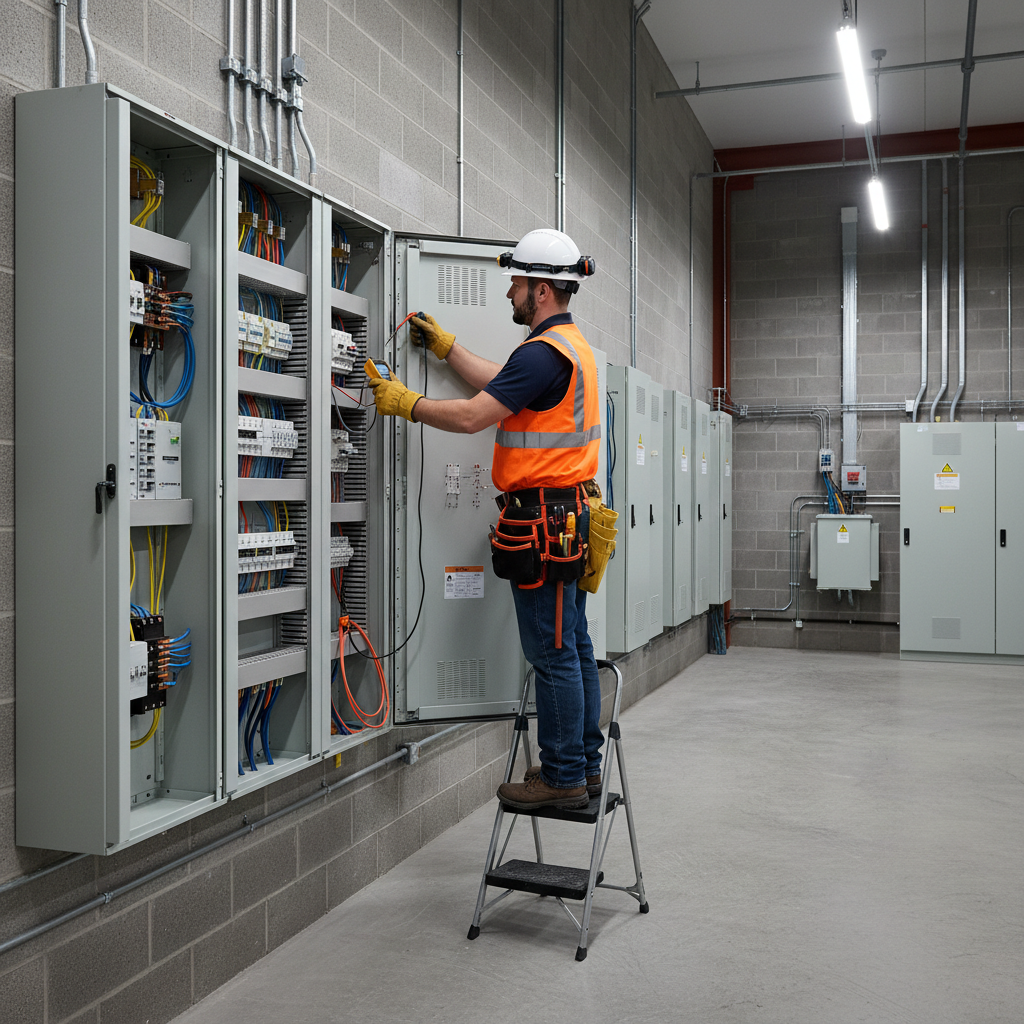
    Professional electricians use specialist equipment to safely locate and repair hidden electrical problems.

    Common Warning Signs of Electrical Faults

    Many homeowners notice warning signs before serious electrical issues develop.

    Common symptoms include:

    • Crackling sounds from sockets
    • Warm electrical outlets
    • Electric shocks from appliances
    • Frequent bulb failures
    • Sudden power fluctuations
    • Trips during wet weather

    These warning signs should never be ignored because they may indicate damaged wiring or overloaded circuits.

    Early action can help prevent larger electrical failures later.

    Tips to Reduce Fuse Tripping at Home

    Although some faults require professional repair, there are simple steps homeowners can take to reduce electrical problems.

    ✔ Avoid Overloading Circuits

    Do not run multiple high-power appliances on the same socket or extension lead.

    ✔ Replace Faulty Appliances

    Damaged appliances should be repaired or replaced immediately.

    ✔ Keep Electrical Areas Dry

    Water and electricity are extremely dangerous together.

    ✔ Arrange Regular Electrical Inspections

    Routine inspections help identify hidden faults before they become serious.

    ✔ Upgrade Old Fuse Boards

    Modern consumer units provide better safety protection and improved electrical performance.

    Understanding Fuse Tripping in Modern Homes

    Many people think fuse tripping is only a minor inconvenience, but it is actually an important warning sign.

    Your fuse board is designed to protect your home by shutting off power during unsafe electrical conditions.

    Understanding the causes of fuse tripping can help homeowners respond correctly, improve electrical safety, and avoid costly repairs.

    Ignoring repeated trips may increase the risk of electrical fires, damaged appliances, and serious wiring problems.

    A tripping fuse board should never be ignored, especially if the problem happens regularly.

    Whether the issue is caused by faulty appliances, overloaded sockets, moisture damage, or old wiring, identifying the fault early is the safest approach.

    Fuse tripping is often a sign that your electrical system needs professional attention.
    If you continue experiencing electrical problems, contact a qualified electrician to inspect your property and ensure your electrical system remains safe, reliable, and compliant with modern UK safety standards.

    Yes, repeated fuse tripping can sometimes indicate dangerous electrical problems.

    The fuse board is a safety device designed to stop unsafe electrical conditions before they become serious.

    Possible risks include:

    • Electrical fires
    • Burnt cables
    • Electric shocks
    • Damaged appliances
    • Overheating circuits

    If the issue continues happening, your electrical system should be inspected by a qualified electrician.

    According to NAPIT, electrical faults should always be handled safely and professionally to maintain compliance with UK electrical standards.

    Ignoring warning signs can lead to expensive repairs and increased safety risks.

    Final Thoughts

    A tripping fuse board should never be ignored, especially if the problem happens regularly.

    Whether the issue is caused by faulty appliances, overloaded sockets, moisture damage, or old wiring, identifying the fault early is the safest approach.

    Fuse tripping is often a sign that your electrical system needs professional attention.

    Fuse Tripping FAQs
    Electrical Panels FAQs – Learn the common warning signs of faulty electrical panels, including tripping breakers, flickering lights, burning smells, and overloaded circuits. Simple advice to help keep your home safe and powered properly.
    NAPIT certified
    Fuse tripping can be more than just an inconvenience — it may be a warning sign of overloaded circuits, faulty appliances, or damaged wiring. Learn the common causes of fuse tripping, safety risks to watch for, and when it’s time to call a qualified electrician to keep your home safe and your electrical system running properly.

    on.

    If you continue experiencing electrical problems, contact a qualified electrician to inspect your property and ensure your electrical system remains safe, reliable, and compliant with modern UK safety standards.
    https://commercial-electrician-manchester.co.uk

  • 🏠 Best Tips to Avoid Buying Low -Quality Appliances (Complete Buying Guide)

    🏠 Best Tips to Avoid Buying Low -Quality Appliances (Complete Buying Guide)

    how to avoid low quality appliances.Buying home appliances is a big investment for every household. Whether it is a refrigerator, washing machine, microwave, or air conditioner, people want products that last long and work efficiently.

    But many buyers make a common mistake — they choose cheap or poor-quality appliances and face problems like breakdowns, high electricity bills, and repair costs.

    In this guide, you will learn practical and simple tips to help you make the right decision and protect your money while following the best approach for how to avoid low quality appliances.

    🧠 Why People Buy Low-Quality Appliances

    Before learning the solution, it is important to understand the problem.

    Most people buy low-quality appliances because:

    • They focus only on low price
    • They don’t check brand reputation
    • They ignore reviews and ratings
    • They rush the buying decision
    • They don’t compare products

    These mistakes often lead to regret later.

    Understanding how to avoid low quality appliances starts with awareness of these common errors.

    🔍 Tip 1: Always Check Brand Reputation

    Brand reputation is one of the strongest indicators of product quality.

    Well-known brands invest in:

    • Better materials
    • Quality testing
    • Warranty support
    • Customer service

    Before buying, research the brand online and see what customers say about it.

    This is a key step in how to avoid low quality appliances because trusted brands rarely compromise on quality.

    ⭐ Tip 2: Read Real Customer Reviews

    Customer reviews give you real-life experience from actual buyers.

    Look for:

    • Positive and negative reviews
    • Common complaints
    • Long-term usage feedback

    Avoid products with too many complaints about:

    • Early breakdown
    • Poor performance
    • Weak build quality

    Reviews are one of the easiest ways to understand how to avoid low quality appliances before spending money.

    ⚙️ Tip 3: Check Warranty and After-Sales Service

    A good appliance always comes with strong warranty support.

    Before buying, check:

    • Warranty duration (at least 1–2 years minimum)
    • Free repair or replacement policy
    • Availability of service centers

    If a product has no proper warranty, it is a warning sign.

    Strong after-sales service is a major factor in how to avoid low quality appliances because it protects you after purchase.

    🔋 Tip 4: Focus on Energy Efficiency

    Low-quality appliances often consume more electricity and increase monthly bills.

    Always check:

    • Energy rating (star rating system)
    • Power consumption details
    • Inverter technology (for ACs and refrigerators)

    Energy-efficient appliances not only save money but also indicate better build quality.

    This is another smart approach in how to avoid low quality appliances.

    🔧 Tip 5: Inspect Build Quality Before Buying

    If possible, physically check the product in store.

    Look for:

    • Strong material body
    • Smooth finishing
    • Stable doors and buttons
    • No loose parts

    A weak build usually means poor durability.

    Hands-on inspection is a practical method in how to avoid low quality appliances.

    💰 Tip 6: Don’t Always Choose the Cheapest Option

    Cheap price often attracts buyers, but it is not always a good deal.

    Very low-priced appliances may:

    • Break down quickly
    • Lack warranty support
    • Use low-quality parts

    Instead, compare value, not just price.

    Smart buying is essential in how to avoid low quality appliances.

    📊 Tip 7: Compare Multiple Products

    Never buy the first product you see.

    Compare:

    • Features
    • Price
    • Warranty
    • Customer reviews

    Comparison helps you choose the best option available in your budget.

    This is a core principle in how to avoid low quality appliances.

    🏷️ Tip 8: Check Product Specifications Carefully

    Many buyers ignore specifications and regret later.

    Always check:

    • Power usage
    • Capacity (liters, kg, etc.)
    • Material type
    • Technology used

    Small details make a big difference in quality and performance.

    🏁 Final Buying Checklist

    Before you buy any appliance, ask yourself:

    ✔ Is the brand trusted?
    ✔ Are reviews positive?
    ✔ Is warranty available?
    ✔ Is energy efficiency good?
    ✔ Is build quality strong?

    If the answer is yes, you are making a safe decision.

    Following this checklist is the easiest way to understand how to avoid low quality appliances in real life.

    🧾 Conclusion

    Buying home appliances is not just about price — it is about long-term value, safety, and performance.

    If you follow the steps in this guide, you will avoid common mistakes and make smarter decisions.

    Learning how to avoid low quality appliances helps you save money, reduce stress, and enjoy better performance for years.https://commercial-electrician-manchester.co.uk

  • CCTV Cameras – Complete FAQ Guide for Homeowners and Businesses

    CCTV Cameras – Complete FAQ Guide for Homeowners and Businesses

    Security is one of the most important needs for homes, shops, offices, and commercial buildings. Installing CCTV cameras is one of the best ways to protect your property and monitor activities 24/7.

    In this simple guide, we answer the most common questions about CCTV cameras, including installation, working, features, and maintenance.

    CCTV camera – How Do I Pick the Correct Camera for My Application?

    Choosing the right CCTV camera depends on where you want to install them.

    • For homes: Dome cameras are usually best
    • For outdoor use: Bullet cameras work well
    • For shops/offices: PTZ or IP cameras are ideal

    You should also consider:

    • Night vision
    • Resolution (HD or 4K)
    • Storage type
    • Weather resistance

    CCTV Camera – What Is a DVR?

    A DVR (Digital Video Recorder) is a device used with analog CCTV cameras.

    It:

    • Records video footage
    • Stores data on a hard drive
    • Connects via coaxial cables

    DVR systems are usually more affordable and simple.

    CCTV Camera – What Is an NVR?

    An NVR (Network Video Recorder) is used with IP-based CCTV cameras.

    It:

    • Works with network cameras
    • Stores high-quality digital video
    • Connects using internet or Ethernet cables

    NVR systems offer better image quality and flexibility.

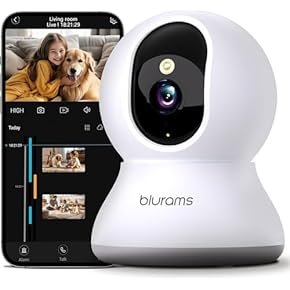
    CCTV Camera – What Are IP Cameras?

    IP cameras are modern CCTV camera that send video through the internet or local network.

    Benefits:

    • High resolution
    • Remote access
    • Easy scalability
    • Better clarity

    They are widely used in smart security systems.

    CCTV Camera – How to Set Up an IP Camera? Setting up IP CCTV cameras involves:

    • Connecting camera to network (WiFi or Ethernet)
    • Installing manufacturer software/app
    • Assigning IP address
    • Configuring recording settings Professional installation is recommended for large systems.

    CCTV Camera – What Is PoE (Power over Ethernet)?

    PoE allows CCTV camera to receive:

    • Power
    • Data

    through a single Ethernet cable.

    Benefits:

    • Less wiring
    • Easy installation
    • Stable connection

    CCTV Cameras – How Fast Does Broadband Need to Be?For smooth CCTV performance:

    • Minimum 2–5 Mbps per camera (upload speed)
    • Higher speed for HD or 4K systems

    Good internet is important for remote viewing.

    CCTV Cameras – Can I View Cameras from Mobile or Computer?

    Yes, modern CCTV cameras can be accessed from:

    • Smartphones
    • Tablets
    • Computers

    Using apps or web platforms.

    CCTV Camera – Can I View Live and Recorded Video Remotely?

    Yes, most systems allow:

    • Live viewing
    • Playback of recordings
    • Cloud or app access

    This makes security easy from anywhere.

    CCTV Camera – Can Several Users View One System?

    Yes, multiple users can access CCTV cameras at the same time.

    Permissions can be controlled by:

    • Admin access
    • User access levels

    CCTV Camera – Can I Listen to Audio?

    Some CCTV cameras support audio features:

    • Live audio
    • Recorded sound

    This depends on the model and legal permissions.

    CCTV Camera – Can I Zoom In?

    Yes, PTZ CCTV camera allow:

    • Digital zoom
    • Optical zoom
    • Remote control movement

    CCTV camera – What Happens During Power Cut?

    If power is lost:

    • Cameras stop recording
    • Unless backup power (UPS) is installed

    A UPS system helps keep CCTV running during outages.

    CCTV Camera – Do Cameras Work at Night?

    Yes, most CCTV camera have:

    • Infrared night vision
    • Motion-based lighting

    They can record even in complete darkness.

    CCTV Camera – How Long Can I Record?

    Recording time depends on:

    • Storage size
    • Video quality
    • Number of cameras

    Systems can store data from a few days to several weeks.

    CCTV cameras – Can I Backup Footage?

    Yes, recordings can be backed up via:

    • USB
    • External hard drives
    • Cloud storage

    This helps keep important evidence safe.

    CCTV camera – What Is Motion Detection?

    Motion detection allows CCTV cameras to:

    • Start recording when movement is detected
    • Save storage space
    • Send alerts

    CCTV camera – How Does Motion Detection Work?

    It works by:

    • Camera sensors detecting movement
    • Software analyzing video changes

    Some systems use both methods.

    CCTV Camera– Can I Install It Myself?

    Small systems can be DIY installed, but:

    ✔ Basic kits are easy
    ❌ Large systems require professionals

    For safety and best performance, expert installation is recommended.

    For certified installation and electrical safety standards, you can learn more from NAPIT Official Website.

    CCTV Camera– What Is the Maximum Distance?

    Distance depends on system type:

    • Analog systems: limited cable distance
    • IP systems: can be extended via network switches

    Proper planning is required for large buildings.

    CCTV camera– Who Should I Contact?

    For any CCTV issues, contact:

    • Certified CCTV installers
    • Qualified electricians
    • Security system professionals

    Final Thoughts on CCTV camera

    Installing CCTV cameras is one of the most effective ways to improve safety and security. Whether for home or business, choosing the right system and proper installation ensures long-term protection.

    Regular maintenance and professional setup can help you get the best performance from your security system.

    https://commercial-electrician-manchester.co.uk

  • Ceiling Fans FAQs – Complete Guide for Homeowners

    Ceiling Fans FAQs – Complete Guide for Homeowners

    Ceiling fans are one of the most popular ways to improve airflow and comfort in homes. They are energy efficient, affordable to run, and available in many modern styles and sizes.

    Many homeowners have questions about installation, maintenance, noise, speed control, and safety. In this guide, we answer the most common questions about Ceiling Fans in a simple and easy-to-understand way.

    Ceiling fans – Do They Require Special Wiring?

    Most Ceiling Fans do not require complicated wiring, but proper electrical connections are important for safe operation.

    In many homes:

    • Existing ceiling wiring may already support installation
    • Some fans with lights or remote controls may need additional wiring
    • Older homes may require electrical upgrades

    Professional installation is recommended to ensure the fan is connected safely and securely.

    For safe electrical work and certified electricians, homeowners can visit NAPIT Official Website.

    Ceiling fans – Are They Noisy and Do They Wobble?

    Modern Ceiling Fans are usually very quiet when installed correctly.

    Noise or wobbling may happen because of:

    • Loose screws
    • Poor installation
    • Dust buildup
    • Unbalanced blades

    A small wobble is common, but excessive movement should be checked by a professional.

    Regular maintenance can help fans operate more smoothly and quietly.

    Ceiling fan – What Size Fan Do I Need?

    Choosing the correct fan size is important for good airflow.

    General guidelines:

    • Small rooms need smaller fans
    • Medium rooms use standard fan sizes
    • Large rooms require wider blade spans

    Using a fan that is too small may reduce airflow efficiency.

    Ceiling fan – How Is the Speed Controlled?

    Most Ceiling fans offer different speed settings.

    Common speed control methods include:

    • Pull chains
    • Wall switches
    • Remote controls
    • Smart app controls

    Many modern fans also include timer and automation features.

    Ceiling fan – Can Fans Be Operated from a Wall Control?

    Yes, many ceiling fans can be connected to wall controls.

    Wall controls allow users to:

    • Change speed settings
    • Turn lights on or off
    • Operate fan direction

    Some systems may require compatible electrical wiring and professional installation.

    Ceiling fan – How Much Does a Fan Cost to Run?

    One reason many people choose Ceiling Fans is their low running cost.

    Compared to air conditioning:

    • Fans use much less electricity
    • Energy bills are usually lower
    • Cooling costs can be reduced

    Running costs depend on:

    • Fan size
    • Speed settings
    • Usage time

    Most fans are considered very energy efficient.

    Ceiling fan– What Is the Minimum Mounting Height?

    Safety is important when installing ceiling fans.

    In most cases:

    • Blades should be at least 7 feet above the floor
    • Higher ceilings may require extension rods

    Proper height improves both safety and airflow performance.

    Ceiling fans– Can Fans Be Installed on a Sloping Ceiling?

    Yes, many modern fans can be installed on angled or sloping ceilings.

    Special mounting kits are often available to:

    • Keep the fan balanced
    • Ensure safe installation
    • Maintain proper airflow direction

    Professional installation is recommended for sloped ceilings.

    Ceiling fan – Do They Require Maintenance or Cleaning?

    Regular cleaning helps maintain performance and appearance.

    Basic maintenance includes:

    • Removing dust from blades
    • Tightening screws
    • Checking for wobbling
    • Inspecting electrical connections

    Proper maintenance can also extend the lifespan of Ceiling Fans.

    Ceiling fan – Can I Add a Light Kit Later?

    Many ceiling fans are designed to support light kits.

    This allows homeowners to:

    • Upgrade lighting later
    • Improve room appearance
    • Add extra functionality

    However, compatibility depends on the fan model.

    Ceiling fan – Can I Change Blade Colours?

    Yes, many manufacturers offer replacement blades in different colours and finishes.

    Changing blades can help:

    • Match room décor
    • Update appearance
    • Improve interior style

    Always use compatible replacement parts recommended for the fan model.

    Ceiling Fan– What Are the Blades Made Of?

    Fan blades are made from different materials depending on design and price.

    Common materials include:

    • Wood
    • MDF
    • Plastic
    • Metal

    Each material offers different benefits for durability, appearance, and performance.

    Ceiling  fan – Are They Safe for Homes?

    Properly installed ceiling fans are generally very safe.

    To improve safety:

    • Use qualified electricians
    • Avoid DIY electrical work
    • Check mounting brackets regularly
    • Replace damaged parts quickly

    Safety inspections are especially important in older homes.

    Ceiling  Fan– Can They Be Used in Winter?

    Yes, many fans include reverse rotation settings.

    During winter:

    • Warm air trapped near ceilings is pushed downward
    • Rooms may feel warmer
    • Heating systems may operate more efficiently

    This makes ceiling fans useful throughout the year.

    Fans  – Are Smart Fan Worth It?

    Modern smart ceiling fans offer:

    • Mobile app control
    • Voice assistant integration
    • Scheduling features
    • Energy management options

    These features improve convenience and comfort for homeowners.

    Final Thoughts on  Fans

    Ceiling fans are a simple and cost-effective way to improve airflow and comfort in homes and workplaces. They are energy efficient, easy to maintain, and available in many styles and sizes.

    Whether you are installing a new fan or upgrading an older one, professional electrical installation helps ensure safe and reliable performance.

    For electrical safety advice and certified electrical services, homeowners can learn more from NAPIT Official Website.

    https://commercial-electrician-manchester.co.uk

  • A Quick Guide To Electrical Panels: 8 Signs You Need Help

    A Quick Guide To Electrical Panels: 8 Signs You Need Help

    Your electrical panel is one of the most important parts of your property. It controls the flow of electricity throughout your home or business and helps protect the electrical system from overloads and faults.

    Many homeowners do not think about their electrical system until something stops working. However, ignoring warning signs can lead to dangerous problems such as electrical fires, power failures, or damaged appliances.

    In this guide, we explain the most common warning signs that show you may need professional help with your Electrical Panels and why regular inspections are important.


    What Are Electrical Panels?

    Electrical Panels are the main control centre of a property’s electrical system. They distribute electricity to different circuits throughout the building.

    The panel usually contains:

    • Circuit breakers
    • Main switches
    • Safety protection devices

    Modern systems are designed to improve safety and reduce the risk of electrical problems.


    Why Electrical Panels Are Important

    Properly working Electrical Panels help:

    • Protect electrical appliances
    • Prevent overloaded circuits
    • Improve electrical safety
    • Reduce fire risks
    • Manage electricity safely throughout the property

    Older or damaged systems may struggle to handle modern electrical demands.


    1. Circuit Breakers Keep Tripping

    One of the most common signs of problems with Electrical Panels is frequent breaker tripping.

    This may happen because of:

    • Overloaded circuits
    • Faulty appliances
    • Damaged wiring
    • Old electrical systems

    Occasional tripping can happen, but repeated problems should always be checked by a qualified electrician.


    2. Burning Smell Near the Panel

    A burning smell is a serious warning sign.

    This may indicate:

    • Overheating wires
    • Melted insulation
    • Loose electrical connections

    If you notice this smell near your Electrical Panels, switch off power if safe and contact an electrician immediately.


    3. Flickering or Dimming Lights

    Lights that flicker or dim regularly may mean the electrical system is struggling.

    This can happen when:

    • Large appliances are switched on
    • Circuits are overloaded
    • The panel is outdated

    Modern homes use more electricity than older systems were designed to handle.


    4. Warm or Hot Electrical Panel

    Your electrical panel should never feel hot.

    Warmth around Electrical Panels may suggest:

    • Excessive electrical load
    • Faulty breakers
    • Loose internal wiring

    Ignoring this issue can increase the risk of electrical fires.


    5. Strange Buzzing Sounds

    Electrical systems should operate quietly.

    Buzzing or crackling sounds from Electrical Panels may indicate:

    • Electrical arcing
    • Loose connections
    • Failing breakers

    Any unusual sound should be inspected by a professional electrician.


    6. Old Fuse Box Instead of Modern Breakers

    Many older homes still use outdated fuse boxes.

    Modern Electrical Panels offer better:

    • Safety protection
    • Power management
    • Energy efficiency

    Older systems may not support modern appliances, EV chargers, or smart home systems safely.


    7. Burning Marks or Discoloration

    Dark marks around breakers or switches are serious warning signs.

    This may indicate:

    • Overheating
    • Internal electrical faults
    • Fire damage

    Visible damage around Electrical Panels should never be ignored.


    8. Not Enough Power for Modern Appliances

    Modern homes use much more electricity than older homes.

    If your system struggles when using:

    • Air conditioning
    • EV chargers
    • Washing machines
    • Kitchen appliances
    • Smart home systems

    you may need an electrical panel upgrade.


    Common Causes of Electrical Panel Problems

    Problems with Electrical Panels can happen for several reasons:

    • Age of the system
    • Poor maintenance
    • DIY electrical work
    • Overloaded circuits
    • Faulty installation

    Regular inspections help identify these issues before they become dangerous.


    How Electricians Inspect Electrical Panels

    Professional electricians inspect:

    • Circuit breakers
    • Wiring connections
    • Earthing systems
    • Electrical load capacity
    • Signs of overheating

    Testing helps ensure the system is operating safely and efficiently.


    When to Upgrade Electrical Panels

    You may need an upgrade if:

    • Your property is very old
    • You are adding new appliances
    • You install EV chargers
    • You experience frequent power problems
    • The system no longer meets safety standards

    Upgrading improves safety and electrical performance.


    Importance of Professional Electrical Help

    Electrical systems can be dangerous if handled incorrectly.

    Qualified electricians ensure:

    • Safe repairs
    • Proper testing
    • Legal compliance
    • Reliable installations

    Always use certified professionals for work involving Electrical Panels.


    How to Maintain Electrical Panels

    Simple maintenance tips include:

    • Keep the panel area clean and dry
    • Do not block access to the panel
    • Watch for unusual smells or sounds
    • Schedule regular inspections
    • Avoid DIY electrical repairs

    Preventive maintenance can help avoid expensive future repairs.


    Electrical Safety and Electrical Panels

    Electrical safety is one of the biggest reasons to maintain your system properly.

    Faulty Electrical Panels may lead to:

    • Electric shocks
    • Appliance damage
    • Fire hazards
    • Power outages

    A safe and modern electrical system protects both people and property.


    Final Thoughts

    Your electrical panel is the heart of your property’s electrical system. Ignoring warning signs can lead to serious safety risks and costly repairs.

    If you notice burning smells, flickering lights, buzzing sounds, or frequent breaker trips, it may be time to contact a professional electrician.

    Regular inspections and timely upgrades help ensure your electrical system remains safe, reliable, and ready for modern electrical demands.

    We recommend using certified electricians registered with NAPIT Official Website for safe and compliant electrical work in the UK.

    https://commercial-electrician-manchester.co.uk

  • Electrical Safety – Complete Guide for Homeowners and Businesses

    Electrical Safety – Complete Guide for Homeowners and Businesses

    Electricity is something we use every single day, but it can be dangerous if not handled properly. Understanding Electrical Safety is essential for every home, workplace, and commercial building.

    In this guide, we will explain Electrical Safety in a simple way, covering important rules, common risks, and answers to frequently asked questions.

    What is Electrical Safety?

    Electrical Safety means taking proper precautions to prevent electrical hazards such as shocks, fires, and equipment damage.

    It includes:

    • Safe installation of wiring
    • Proper use of electrical appliances
    • Regular inspection of systems
    • Following safety standards

    Good Electrical Safety helps protect people and property from danger.

    Why Electrical protection is Important

    Poor Electrical protection can lead to serious problems such as:

    • Electric shocks
    • Electrical fires
    • Damage to appliances
    • Injury or even death

    Following proper safety rules reduces these risks and keeps your home and workplace secure.

    safety measures in Homes

    Good  in homes includes simple habits like:

    • Not overloading sockets
    • Turning off unused appliances
    • Keeping water away from electricity
    • Replacing damaged wires
    • Using certified electricians for repairsThese small steps can prevent major accidents.

    safety measuresin Workplaces

    Workplaces must follow strict safety measures rules to protect employees and equipment.

    This includes:

    • Regular inspections
    • Safe wiring systems
    • Proper grounding
    • Emergency shut-off systems
    • Professional maintenance

    Ignoring Electrical Safety in workplaces can lead to serious legal and safety issues.

    Common safety  Hazards

    Understanding risks is a key part of safety measures.

    Common hazards include:

    • Exposed wires
    • Faulty appliances
    • Overloaded circuits
    • Old wiring systems
    • Wet electrical areas

    Identifying these early improves safety measures significantly.

    safety measures Rules Everyone Should Follow

    Here are basic safety measures rules:

    • Never touch electrical equipment with wet hands
    • Always unplug appliances when not in use
    • Do not use damaged cords or plugs
    • Keep electrical items away from childrenHire qualified electricians for all installations

    Electrical Safety and Electric Shocks

    Electric shocks are a serious warning sign.

    Important Electrical Safety tips:

    • Even small shocks should not be ignored
    • Turn off power immediately if a shock occursall a qualified electrician for inspection

    safety measures and Fire Prevention

    Many house fires are caused by poor safety measures.

    To prevent fire risks:

    • Do not overload sockets
    • Replace old wiring
    • Use proper circuit breakers
    • Avoid cheap or fake electrical products

    safety measures Inspections

    Regular inspections are a key part ofsafety measures.

    Inspections help identify:

    • Hidden wiring faults
    • Overheating circuits
    • Safety risks
    • Outdated systems

    An EICR inspection is often used to ensure proper Electrical Safety in UK properties.

    safety measuresfor Appliances

    To maintain  with safety measuresth appliances:

    • Unplug devices when not in use
    • Do not overload extension leads
    • Replace damaged cables immediately
    • Keep appliances ventilated

    safety measures for Children and Families

    Families should take extra care with safety measures:

    • Use socket covers
    • Keep wires out of reach
    • Teach children about electrical danger
    • Avoid leaving appliances unattended

    safety measures and Professional Electricians

    Always use qualified electricians for any electrical work.

    Certified professionals ensure:

    • Safe installations
    • Proper testing
    • Legal compliance
    • Long-term safety measures

    Look for NAPIT or NICEIC registered electricians.

    safety measures  in the UK

    In the UK, safety measures is governed by strict regulations such as:

    • BS 7671 Wiring Regulations
    • Building Regulations Part P

    These rules ensure all electrical installations are safe and compliant.

    Electrical

    Tips for Everyday Life

    Simple habits improve Electrical protection

    :

    • Turn off appliances when not needed
    • Avoid water near electricity
    • Check plugs and sockets regularly
    • Report faults immediately

    Final Thoughts on Electrical Safety

    Good Electrical Safety is not optional—it is essential. Whether at home or work, following safety rules protects lives, property, and equipment.

    By staying aware and using qualified electricians, you can maintain strong and reliable Electrical Safety in all environments.

    We always recommend using certified electricians approved by NAPIT Official Website for safe and compliant electrical work in the UK.

    https://commercial-electrician-manchester.co.uk

  • Electrical Work in UK – Frequently Asked Questions Explained Simply

    Electrical Work in UK – Frequently Asked Questions Explained Simply

    Electrical systems are an important part of every home, office, and commercial building in the UK. From lighting and sockets to fuse boards and safety inspections, professional Electrical Work helps keep properties safe and fully functional.

    Many homeowners and landlords have questions about regulations, costs, safety certificates, and hiring electricians. This guide answers the most common questions about Electrical Work in the UK in a simple and easy-to-understand way.


    What is Electrical Work?

    Electrical Work includes the installation, maintenance, repair, and testing of electrical systems.

    This can include:

    • Wiring and rewiring
    • Fuse board upgrades
    • Socket installation
    • Lighting installation
    • Safety inspections
    • Fault finding
    • EV charger installation

    Professional Electrical Work ensures the electrical system is safe and follows UK regulations.


    Is DIY Electrical services Legal in the UK?

    This is one of the most common questions people ask about Electrical Work.

    The answer is:
    ✔ Some small electrical jobs are legal for homeowners
    ❌ Certain electrical tasks must legally be completed by qualified electricians

    Simple jobs like:

    • Changing light bulbs
    • Replacing socket covers
    • Resetting breakers

    are usually allowed.

    However, larger Electrical services such as:

    • Rewiring
    • Fuse board replacement
    • New circuits
    • Bathroom electrical installation

    must follow strict UK regulations.

    Unsafe DIY work can cause:

    • Electrical fires
    • Electric shocks
    • Failed inspections
    • Insurance problems

    What Are the Legal Requirements for Electrical services?

    In the UK, most Electrical services must follow:

    • BS 7671 Wiring Regulations
    • Building Regulations Part P

    These regulations help ensure electrical systems are safe.

    Legal requirements may include:

    • Proper installation methods
    • Electrical testing
    • Safety certification
    • Notification to local authorities in some cases

    Using qualified electricians helps ensure all legal requirements are met.


    What is a Competent Person Scheme in Electrical services?

    A Competent Person Scheme allows electricians to certify their own Electrical services under UK building regulations.

    Popular schemes include:

    • NAPIT
    • NICEIC

    Electricians registered under these schemes are qualified to:

    • Complete electrical installations
    • Test electrical systems
    • Issue certificates
    • Confirm compliance with regulations

    This gives customers confidence that the work meets UK safety standards.


    What is an EICR in Electrical services?

    EICR stands for:
    Electrical Installation Condition Report

    An EICR is an important part of Electrical servicesused to inspect electrical systems and identify safety problems.

    The inspection checks:

    • Wiring condition
    • Fuse boards
    • Earthing systems
    • Circuits and sockets
    • Electrical safety risks

    After the inspection, a report is provided explaining whether the system is safe or needs repairs.


    Why is an EICR Important?

    An EICR helps identify hidden electrical faults before they become dangerous.

    Benefits include:

    • Improved electrical safety
    • Reduced fire risk
    • Legal compliance for landlords
    • Early fault detection
    • Peace of mind

    Regular inspections are important for homes, rental properties, and commercial buildings.


    How Much Do Electricians Charge in the UK?

    The cost of Electrical Work depends on:

    • Type of job
    • Property size
    • Complexity of installation
    • Materials required
    • Emergency call-outs

    Small jobs may cost less, while larger projects such as rewiring or commercial installations cost more.

    Emergency electrical services are usually more expensive because of urgent response times.


    How Long Does Electrical Work Usually Take?

    The time required depends on the size of the project.

    Typical timeframes:

    • Small repairs: 1–3 hours
    • Medium installations: 1–2 days
    • Full rewiring: several days

    Professional electricians usually explain the expected timeline before starting work.


    How Do I Verify if an Electrician is Qualified?

    Before hiring someone for Electrical Work, always check qualifications and certifications.

    You can verify electricians by checking:

    • NAPIT registration
    • NICEIC approval
    • Insurance coverage
    • Experience and reviews

    Certified electricians usually provide identification and certification details.

    Using qualified professionals improves safety and ensures legal compliance.


    Why Hiring Qualified Electricians Matters

    Professional Electrical Work helps prevent:

    • Unsafe wiring
    • Electrical faults
    • Fire hazards
    • Failed inspections

    Qualified electricians also carry out proper testing and certification after completing work.


    Is an Electrical Guarantee Legally Required?

    Electrical guarantees are not always legally required, but many professional electricians provide them.

    A guarantee may cover:

    • Installation quality
    • Faulty workmanship
    • Parts and materials

    Having a guarantee provides extra protection and reassurance for customers.


    What Types of Electrical Work Are Most Common?

    The most common types of Electrical Work in UK properties include:

    Wiring and Rewiring

    Replacing old or unsafe electrical wiring.

    Fuse Board Upgrades

    Installing modern consumer units for improved safety.

    Lighting Installation

    Indoor, outdoor, and security lighting systems.

    Socket Installation

    Adding or replacing sockets and switches.

    Electrical Testing

    Checking electrical systems for safety and compliance.


    Can Old Electrical Systems Be Dangerous?

    Yes, outdated electrical systems can become unsafe over time.

    Old systems may cause:

    • Electrical fires
    • Frequent power trips
    • Electric shocks
    • Appliance damage

    Regular inspections and upgrades improve safety.


    What Are the Warning Signs of Electrical Problems?

    You may need professional Electrical Work if you notice:

    • Flickering lights
    • Burning smells
    • Buzzing sounds
    • Warm sockets
    • Tripping fuse boards
    • Sparks from switches

    These signs should never be ignored.


    Is Electrical Work Important for Landlords?

    Landlords are responsible for electrical safety in rental properties.

    They may need:

    • EICR reports
    • Electrical repairs
    • Regular inspections
    • Safe electrical installations

    Proper Electrical Work helps protect tenants and meet legal requirements.


    What Electrical Work is Needed for Home Renovations?

    Home renovations often require professional electrical installation.

    This may include:

    • New lighting systems
    • Kitchen wiring
    • Additional sockets
    • Bathroom electrical work
    • Consumer unit upgrades

    Modern electrical systems improve convenience and energy efficiency.


    Can Electrical Work Improve Energy Efficiency?

    Yes, modern Electrical Work can reduce electricity usage and improve efficiency.

    Examples include:

    • LED lighting
    • Smart home systems
    • Energy-efficient wiring
    • Modern electrical equipment

    Energy-efficient systems may help reduce utility bills.


    What Happens After Electrical Work is Completed?

    After major installations, electricians may provide:

    • Testing results
    • Safety certificates
    • Compliance documentation
    • User instructions

    These documents help confirm the installation meets UK safety regulations.


    Why Regular Electrical Work Maintenance Matters

    Routine maintenance helps:

    • Prevent electrical faults
    • Improve system lifespan
    • Reduce repair costs
    • Maintain safety standards

    Regular inspections can identify problems before they become serious.


    Final Thoughts

    Professional Electrical Work is essential for maintaining safe and reliable electrical systems in homes and businesses across the UK. Understanding legal requirements, safety inspections, electrician qualifications, and electrical regulations helps property owners make informed decisions.

    Whether you need repairs, installations, inspections, or upgrades, qualified electricians help ensure the work is completed safely and professionally.

    We follow UK electrical safety standards recommended by the NAPIT Official Website for professional and compliant electrical inspections and installations.

    https://commercial-electrician-manchester.co.uk

  • EICR safety Inspection – Complete Simple Guide with FAQs

    EICR safety Inspection – Complete Simple Guide with FAQs

    Electrical systems are an important part of every home and business. Over time, wiring and electrical installations can become damaged, outdated, or unsafe. This is why an EICR safety inspection is very important.

    In this guide, we explain everything about EICR safety inspection in a simple and easy-to-understand way. We also answer the most common questions people ask about EICR reports, inspections, costs, and legal requirements.


    What is an EICR  Inspection?

    An EICR inspection  is a professional check of the electrical system in a property. EICR stands for:

    Electrical Installation Condition Report

    The inspection checks:

    • Wiring condition
    • Fuse board safety
    • Sockets and switches
    • Earthing and bonding
    • Electrical circuits

    The purpose of an EICR safety inspection in uk  is to identify electrical problems and make sure the installation is safe to use.


    Why is an EICR  Inspection Important?

    Electrical faults can cause:

    • Electric shocks
    • Power failures
    • Electrical fires
    • Damage to appliances

    An EICR inspection in uk helps find hidden issues before they become dangerous.

    Benefits include:

    • Improved safety
    • Legal compliance
    • Reduced fire risk
    • Better electrical performance
    • Peace of mind for homeowners and landlords

    How Often Should Safety Inspection in uk Be Conducted?

    This is one of the most common questions people ask.

    Recommended inspection periods:

    Homes

    Every 10 years

    Rental Properties

    Every 5 years

    Commercial Buildings

    Usually every 5 years or depending on usage

    Older buildings may require more frequent inspections.


    Who Can Perform an EICR  Inspection in uk ?

    An EICR safety inspection in uk should only be carried out by a qualified and certified electrician.

    Qualified professionals usually include:

    • NAPIT certified electricians
    • NICEIC approved contractors

    Using a certified inspector ensures the report follows UK electrical safety regulations.


    What Does an EICR Inspection in uk Involve?

    During an EICR inspection uk , the electrician checks the condition of the electrical installation.

    The inspection includes:

    • Testing electrical circuits
    • Inspecting fuse boards
    • Checking sockets and switches
    • Testing earthing systems
    • Identifying damaged wiring
    • Looking for fire or shock risks

    After testing, the electrician provides an official report.


    How Long Does an EICR Inspection in uk Take?

    Inspection time depends on property size and electrical complexity.

    Average times:

    • Small flat: 1–2 hours
    • House: 2–4 hours
    • Commercial property: several hours or longer

    Larger buildings usually take more time because they have more circuits and equipment.


    What Are the Potential Outcomes of an EICR Inspection in uk ?

    After the inspection, the report will show whether the installation is safe or unsafe.

    Possible results include:

    Satisfactory

    The electrical system is considered safe.

    Unsatisfactory

    Problems were found that require repairs or improvements.

    Common issues may include:

    • Damaged wiring
    • Overloaded circuits
    • Lack of earthing
    • Unsafe fuse boards

    Are EICR  Inspections Mandatory When Selling or Renting a Property?

    For rental properties in the UK, an EICR safety inspection in uk is legally required.

    Landlords must:

    • Have a valid EICR report
    • Provide report to tenants
    • Complete required repairs

    For selling a property, an EICR is not always legally required, but many buyers request one for safety reassurance.


    Can I Carry Out Repairs Based on the EICR Report Myself?

    Electrical repairs should always be completed by qualified electricians.

    DIY electrical work can:

    • Be dangerous
    • Break regulations
    • Cause safety risks

    Professional repairs ensure the electrical system remains safe and compliant.


    Will an EICR Safety Inspection Identify All Electrical Faults?

    An EICR safety inspection in uk identifies many visible and testable issues, but it may not find every hidden fault.

    For example:

    • Wiring problems
    • Faulty circuits
    • Earthing issues

    However, faults inside appliances are usually not included unless specifically tested.


    How Much Does an EICR Safety Inspection in uk Cost?

    The cost depends on:

    • Property size
    • Number of circuits
    • Type of building
    • Accessibility of electrical systems

    Typical costs:

    • Small flat: lower cost
    • Large house: moderate cost
    • Commercial buildings: higher cost

    Additional repairs are usually charged separately if faults are found.


    Common Signs You May Need an EICR Safety Inspection in uk

    You should arrange an inspection if you notice:

    • Flickering lights
    • Burning smell from sockets
    • Frequent power trips
    • Old fuse board
    • Electric shocks from switches
    • Outdated wiring system

    These signs may indicate serious electrical issues.


    Why Professional Electrical Safety in uk Matters

    Electrical safety protects:

    • People
    • Property
    • Appliances
    • Businesses

    Regular inspections reduce risks and help ensure compliance with UK safety standards.


    EICR Safety Inspection in uk for Businesses

    Commercial properties also need regular inspections.

    Businesses often require EICR reports for:

    • Insurance
    • Health and safety compliance
    • Property management
    • Employee safety

    An EICR safety inspection in uk helps businesses maintain safe working environments.


    Final Thoughts

    An EICR safety inspection in uk is one of the most important ways to ensure electrical systems remain safe and compliant. Regular inspections help identify faults early, reduce risks, and prot homes and businesses from electrical hazards.

    Whether you own a home, rental property, or commercial building, arranging regular inspections is a smart and responsible decision.

    We follow UK electrical safety standards recommended by the NAPIT Official Website for professional and compliant electrical inspections and installations.

    https://commercial-electrician-manchester.co.uk

  • 🏠 Smart Home Installation – Complete Guide with FAQs (Simple & Easy

    🏠 Smart Home Installation – Complete Guide with FAQs (Simple & Easy

    📱 Smart Home Installation Systems

    There are many systems used in smart homes. The most common ones are:

    🟢 Amazon Alexa

    Used for voice control of lights, music, and devices.

    🔵 Google Home

    Works with Android devices and smart appliances.

    ⚪ Apple HomeKit

    Used in Apple ecosystem for secure control.

    Each system offers different features for Smart Home Installation depending on user needs.


    🧠 Which Smart Home Platforms Are the Best?

    One of the most common questions about Smart Home Installation system is choosing the best platform.

    The top platforms are:

    ✔ Amazon Alexa – Best for beginners
    ✔ Google Home – Best for Android users
    ✔ Apple HomeKit – Best for security and privacy

    Each platform works with different devices, so your choice depends on your lifestyle and phone system.


    🏠 Do I Need a Central Hub?

    A central hub is a device that connects all smart devices together.

    ❓ Do you need it?

    • ❌ Not always required
    • ✔ Useful for large Smart Home Installation systems

    Many modern devices work without a hub using Wi-Fi or Bluetooth.


    🌐 Will My Devices Work During an Internet Outage?

    This is an important question in Smart Home Installation system.

    .

    Answer:

    • Some devices will still work manually
    • Smart features may stop working
    • Local hubs can keep some systems running

    For example:
    ✔ Light switches still work
    ❌ Remote control from phone may stop


    🔒 How Secure Is a Smart Home installations  system?

    Security is very important in Smart Home system Installations.

    Smart homes are generally safe if properly installed and secured.

    Security features include:

    • Encryption
    • Password protection
    • Two-factor authentication
    • Secure Wi-Fi networks

    🧠 How Do I Prevent My Smart Home installations  system from Being Hacked?

    To keep your Smart Home Installations system safe:

    ✔ Use strong passwords
    ✔ Change default passwords
    ✔ Update device software regularly
    ✔ Use secure Wi-Fi (WPA3 if possible)
    ✔ Enable two-factor authentication
    ✔ Avoid public Wi-Fi access

    These steps make hacking very difficult.


    🔧 Do Smart Switches and Lights Require Special Wiring?

    Another common question about Smart Home  system is wiring.

    Answer:

    • Most smart switches can use existing wiring
    • Some systems may need neutral wire
    • Professional installation ensures correct setup

    Always check compatibility before installation.


    ⏱️ How Long Does a Professional Installation Take?

    Time depends on the size of your home and system.

    Average time:

    • Small home: 1–2 days
    • Medium home: 2–4 days
    • Large smart home: 4–7 days or more

    A full Smart Home Installation system is usually done in stages.


    🔄 Can I Mix Different Device Brands in One House?

    Yes 👍 you can mix brands in Smart Home Installations.

    However:

    • Some devices may not work together directly
    • Smart hubs can help connect different brands
    • Compatibility should be checked before purchase

    Popular ecosystems help connect multiple brands easily.


    💡 Benefits of Smart home system

    Smart homes installation system offer many benefits:

    ✔ Remote control from phone
    ✔ Energy savings
    ✔ Better security
    ✔ Comfort and automation
    ✔ Time-saving features

    Smart Home Installation improves daily living experience.


    ⚡ Common Smart Home Devices

    A complete Smart Home Installation system may include:

    • Smart bulbs
    • Smart plugs
    • Smart thermostats
    • CCTV cameras
    • Motion sensors
    • Smart locks
    • Voice assistants

    These devices work together to automate your home.


    🏡 Smart Home system for Energy Efficiency

    Smart systems help reduce electricity usage.

    Examples:

    • Lights turn off automatically
    • Heating adjusts based on usage
    • Devices shut down when not needed

    This makes Smart Home Installation cost-effective long term.


    🔐 Is Smart home system Expensive?

    Cost depends on:

    • Number of devices
    • Brand selection
    • Installation complexity

    Basic setups are affordable, while advanced systems cost more.


    📡 Future of Smart home system

    Smart home system are becoming more advanced with:

    • AI automation
    • Voice control improvements
    • Better energy management
    • Integration with EV charging systems

    The future of Smart Home Installation is fully automated living.


    🧾 Final Thoughts

    Smart Home Installation is a modern solution that makes homes more secure, efficient, and convenient. Whether you want better security, energy savings, or automation, smart systems are a great investment.

    With proper setup and security, a smart home can make everyday life much easier and more comfortable.

    NAPIT Official Website.

    https://commercial-electrician-manchester.co.uk

  • EV Charger Installation in UK – Complete Simple Guide with FAQs

    EV Charger Installation in UK – Complete Simple Guide with FAQs

     Electric vehicles are becoming very common in the UK, and many homeowners and businesses are now installing charging points. In this guide, we explain everything about EV charger installation in UK including types, cost, installation time, safety, and rules in a very simple way.


    🔌 Types of EV Chargers in the UK

    There are different types of EV chargers used for homes and public places.

    ⚡ 1. Slow Chargers (3kW)

    • Uses a normal plug socket
    • Very slow charging
    • Takes 8–12 hours or more
    • Not ideal for daily use

    ⚡ 2. Fast Chargers (7kW – Most Common)

    • Installed at homes and workplaces
    • Wall-mounted unit
    • Charges in 3–7 hours
    • Best option for most UK homes

    ⚡ 3. Rapid Chargers (50kW+)

    • Found in public charging stations
    • Very fast charging
    • Can charge in under 1 hour
    • Not usually installed at home

    👉 Most people choose fast chargers for EV charger installation in UK.


    💷 Cost of EV Charger Installation in UK

    The cost depends on the type of charger and property condition.

    Average Prices:

    • Basic installation: £800 – £1,200
    • Smart charger installation: £1,000 – £1,500+
    • Extra electrical work (if needed): additional cost

    Factors affecting price:

    • Distance from fuse board
    • Type of charger
    • Property size
    • Electrical upgrades needed

    ⏱️ Installation Time for EV Chargers

    Installation is usually quick and simple.

    Typical time:

    • Standard installation: 2–4 hours
    • Complex installation: 4–8 hours or more

    What affects time:

    • Wiring distance
    • Fuse board condition
    • Type of charger selected

    👉 In most cases, EV charger installation in UK is completed in one visit.


    🔒 Safety of EV Charger Installation

    Safety is very important when installing EV chargers.

    Safety features include:

    • Automatic power shut-off
    • Overload protection
    • Weatherproof outdoor units
    • Built-in safety testing systems

    Important:

    Always use a qualified electrician for EV charger installation in UK to avoid risks like:

    • Electrical faults
    • Fire hazards
    • System overload

    📋 UK Regulations for EV Charger Installation

    In the UK, EV charger installation must follow strict rules.

    Requirements:

    • Must be installed by certified electrician
    • Must follow BS 7671 electrical standards
    • Must include proper circuit protection
    • Must be registered with local authority if required

    Certified electricians include:

    • NAPIT registered
    • NICEIC approved

    👉 These rules ensure safe and legal EV charger installation in UK.


     Frequently Asked Questions (FAQs)


    ❓ Can I install an EV charger at home?

    Yes 👍 if you have:

    • Private parking or driveway
    • Suitable electrical supply
    • Certified installer

    ❓ Do I need permission for installation?

    Usually no ❌ for houses.
    But yes in some cases like:

    • Flats
    • Shared parking
    • Listed buildings

    ❓ How long does charging take?

    Depends on charger type:

    • Slow: 8–12 hours
    • Fast: 3–7 hours
    • Rapid: under 1 hour

    ❓ Is EV charging cheaper than fuel?

    Yes 👍 EV charging is usually cheaper than petrol or diesel, especially with home charging.


    ❓can any electrician install EV chargers?

    No ❌ only certified electricians can do EV charger installation in UK.


    ❓ Is installation safe?

    Yes 👍 if done by professionals using approved equipment and standards.


    🌍 Final Thoughts

    EV charger installation is becoming essential in the UK as electric vehicles grow in popularity. Understanding charger types, costs, installation time, safety, and regulations helps you make the right decision.

    A professional and certified electrician ensures your EV charger installation in UK is safe, legal, and efficient.

    EV Charger Installation in UK by certified electricians. Safe, fast, and professional EV charger installation in UK for homes and businesses. NAPIT approved standards ensure fully compliant electrical work. Learn more at https://www.napit.org.uk

    https://commercial-electrician-manchester.co.uk

  • EV Charger Installation Manchester | 24/7 Trusted NAPIT Electrician

    EV Charger Installation Manchester | 24/7 Trusted NAPIT Electrician

    EV Charger Installation Manchester  services are becoming increasingly important as more homeowners and businesses switch to electric vehicles. A professionally installed EV charger provides faster charging, improved safety, and greater convenience for everyday use.

    As a trusted NAPIT certified electrical contractor in Manchester, we provide expert EV charger installation, repair, maintenance, and emergency support services for residential and commercial properties. Our team delivers reliable workmanship, transparent pricing, and fast response times to ensure your charging system works safely and efficiently.

     Why Choose EV Charger Installation Manchester?

    Choosing professional EV Charger Installation Manchester services ensures your charging system is installed safely and correctly according to UK electrical standards.

    Electric vehicle chargers require proper wiring, load calculations, and safety testing. Poor installation can cause electrical faults, charging failures, and safety risks. A certified electrician ensures your system operates efficiently while protecting your property and vehicle.

    Professional EV charger installation provides:

    • Faster charging performance
    • Safe electrical connections
    • Long-term reliability
    • Energy-efficient charging
    • Full compliance with UK regulations

    Whether you need a charger for your home, office, or commercial property, professional installation guarantees peace of mind.

    EV Charger Installation Manchester Services We Provide

    We provide complete EV Charger Installation Manchester solutions tailored to different property types and charging requirements.

    Our services include:

    • Home EV charger installation
    • Commercial EV charger installation
    • EV charger upgrades
    • Smart charging system setup
    • EV charger fault finding and repairs
    • Electrical safety testing
    • Emergency charger support

    Every installation is completed by qualified electricians using high-quality materials and approved installation methods.

    Home EV Charger Installation Manchester

    Home charging systems make electric vehicle ownership more convenient and cost-effective. Our EV Charger Installation Manchester service allows homeowners to charge vehicles safely from their own property.

    Benefits of home EV charging include:

    • Faster overnight charging
    • Lower charging costs
    • Convenient daily use
    • Improved property value
    • Reliable charging access

    We install chargers compatible with all major electric vehicle brands and ensure your home electrical system can safely support the charger.

     Commercial EV Charger Installation Manchester

    Businesses are increasingly investing in EV charging facilities for staff, customers, and company vehicles. Professional EV Charger Installation Manchester services help businesses prepare for the future of transportation.

    Commercial EV charger solutions are ideal for:

    • Office buildings
    • Retail centres
    • Warehouses
    • Hotels
    • Restaurants
    • Fleet vehicle operations

    Installing commercial charging stations improves customer convenience and supports sustainable business practices.

    Smart EV Charger Installation Manchester Solutions

    Modern charging systems include advanced smart technology designed to improve charging efficiency and user control.

    Smart EV Charger Installation Manchester systems allow users to:

    • Schedule charging times
    • Monitor energy usage
    • Control charging remotely
    • Reduce electricity costs
    • Integrate with solar energy systems

    These systems provide greater convenience and help reduce overall energy consumption.

    EV Charger Repair and Maintenance Manchester

    In addition to installation, we also provide repair and maintenance services for EV charging systems.

    Our EV Charger Installation Manchester repair services include:

    • Charger fault diagnosis
    • Wiring repairs
    • Charging connection problems
    • Software reset and updates
    • Power supply issues
    • Safety inspections

    Fast repairs help restore charging functionality and prevent further electrical problems.

     Emergency EV Charger Installation Manchester Support

    Charging problems can occur unexpectedly and may disrupt your daily routine or business operations. That is why we provide 24/7 emergency support services.

    Our emergency EV Charger Installation Manchester services include:

    • Urgent fault finding
    • Emergency charger repairs
    • Electrical safety checks
    • Power restoration support
    • Fast response call-outs

    We work quickly to minimise downtime and restore safe charger operation as soon as possible.

    Trusted NAPIT Certified EV Charger Installation Manchester

    As a NAPIT certified electrical contractor, we follow strict UK electrical safety standards for every installation and repair project.

    Our EV Charger Installation  services include:

    • Fully compliant installations
    • Professional electrical testing
    • Safe wiring methods
    • High-quality workmanship
    • Reliable charging solutions

    Customers trust certified electricians because safety and quality are essential for EV charging systems.

     Safety Standards for EV Charger Installation Manchester

    Electrical safety is one of the most important parts of EV charger installation.

    We ensure:

    • Correct circuit protection
    • Proper earthing and bonding
    • Safe cable installation
    • Overload protection
    • Full compliance with BS 7671 regulations

    This guarantees safe long-term charger operation for homes and businesses.

     Transparent Pricing for EV Charger Installation Manchester

    We believe in honest and upfront pricing with no hidden costs.

    Our customers always receive:

    • Clear quotations
    • Fair pricing
    • Honest advice
    • Transparent cost breakdowns
    • Professional recommendations

    We explain every part of the installation process so customers fully understand the project cost before work begins.

    High-Quality Workmanship for EV Charger Installation Manchester

    High-quality workmanship is essential for safe and reliable charging performance. Every EV Charger Installation project is completed with attention to detail and professional standards.

    We focus on:

    • Clean installations
    • Reliable electrical connections
    • Proper testing procedures
    • Long-term durability
    • Minimal disruption during work

    Our goal is to provide dependable EV charging systems that continue operating efficiently for years.

     Benefits of Professional EV Charger Installation Manchester

    Professional installation provides many long-term advantages.

    Benefits include:

    • Safe charging systems
    • Faster charging times
    • Reduced electrical risks
    • Better energy efficiency
    • Increased property value
    • Reliable everyday use

    A professionally installed charger also helps avoid future repair costs caused by poor installation practices.

    Environmentally Friendly EV Charger Installation Manchester

    Electric vehicles help reduce carbon emissions and support cleaner transportation. Professional EV Charger Installation  services help customers transition to more sustainable energy solutions.

    EV charging systems support:

    • Reduced fuel consumption
    • Lower environmental impact
    • Cleaner urban environments
    • Future-ready transportation infrastructure

    Many homeowners and businesses in Manchester are now upgrading to EV charging systems as part of their sustainability goals.

    Properties We Serve

    We provide EV Charger Installationservices for:

    • Residential homes
    • Apartment buildings
    • Offices
    • Retail properties
    • Commercial buildings
    • Industrial sites
    • Fleet parking areas

    Every installation is customised to match the property layout and electrical capacity.

    Areas Covered for EV Charger Installation

    We proudly provide services across:

    • Manchester City Centre
    • Salford
    • Trafford
    • Stockport
    • Bolton
    • Greater Manchester

    Our local electricians provide fast and reliable service throughout the Manchester area.

    Contact Us for EV Charger Installation

    If you need reliable EV Charger Installation services, we are ready to help with professional installation, repair, and emergency support.

    ✔ NAPIT Certified Electrician
    ✔ 24/7 Emergency Support
    ✔ Professional EV Charger Installation
    ✔ Transparent Pricing
    ✔ Reliable Repairs and Maintenance
    ✔ High-Quality Workmanship

    For electrical safety guidance and certification standards, visit the NAPIT Official Website.

    Contact us today to discuss your EV charger installation requirements and receive a professional quotation.

    NAPIT

  • Smart Home Installation Manchester | Expert NAPIT Certified Electrician

    Smart Home Installation Manchester | Expert NAPIT Certified Electrician

    Smart home installation Manchester is transforming how homes and businesses operate by making them safer, smarter, and more energy efficient. As a Trusted NAPIT Certified Electrical Contractor in Manchester, we provide professional smart automation solutions tailored to modern properties.

    Our goal is to deliver reliable systems with high-quality workmanship, transparent pricing, and minimal disruption.

    Why Smart Home Installation  Is Important

    Smart home installation  helps property owners upgrade their lifestyle with modern automation and control systems.

    It improves:

    • Security
    • Comfort
    • Energy efficiency
    • Convenience

    With smart systems, you can manage your entire property from your phone or tablet.

     Benefits of Smart Home Installation Manchester

    Smart home installation  offers several key benefits:

    • Remote control of devices
    • Lower energy bills
    • Improved security systems
    • Automated daily routines
    • Increased property value

    These systems are designed for both homes and commercial buildings.

     Smart Home Installation Manchester Services

    We provide complete smart automation solutions including:

    • Smart lighting installation
    • Heating control systems
    • CCTV and security integration
    • Smart locks and access control
    • Smart switches and sockets

    Every smart home installation project is completed to UK safety standards.

    What’s Included in Smart Home Installation Manchester

    Each smart home installation  service includes:

    • Full system design
    • Professional installation
    • Testing and setup
    • User training
    • Ongoing support

    We ensure everything works smoothly before completion.

     Quality Work in Smart Home Installation Manchester

    We focus on delivering safe and reliable systems with expert workmanship.

    You get:

    • NAPIT certified installation
    • High-quality materials
    • Safe electrical compliance

    Safety in Smart Home Installation Manchester

    Safety is a top priority in every smart home installation  project.

    We follow strict UK electrical standards to ensure:

    • Safe wiring
    • Secure connections
    • Reliable long-term performance

    https://www.napit.org.uk

     Reliable Smart Home Installation Service

    We work efficiently to reduce disruption during installation.

    Our process includes:

    • Fast installation
    • Clear communication
    • Minimal downtime
    • Professional support
    • https://commercial-electrician-manchester.co.uk

    Transparent Pricing for Smart Home Installation

    We believe in honest and upfront pricing with no hidden costs.

    You always receive:

    • Clear quotations
    • Fair pricing
    • Honest advice

    Smart Home Installation Manchester Coverage Areas

    We provide services across:

    • Manchester City Centre
    • Salford
    • Trafford
    • Stockport
    • Bolton
    • Greater Manchester

    Get Smart Home Installation Today

    If you are looking for smart home installation , we are ready to upgrade your property with modern automation solutions.

    ✔ NAPIT Certified Electrician
    ✔ Expert Installation
    ✔ Reliable Service
    ✔ Transparent Pricing
    ✔ High-Quality Workmanship